

TL;DR:
- Body positivity improves self-esteem and reduces anxiety through internal mindset shifts.
- Consuming body-positive media and communities enhances emotional well-being and body satisfaction.
- Embracing holistic self-care and realistic routines strengthens confidence and promotes overall health.
Feeling confident in your own skin is harder than it sounds when beauty standards shift constantly and social media keeps raising the bar. But body positivity is not just a feel-good hashtag. It is a research-backed mindset with real, measurable benefits for your mental health, daily habits, and overall sense of self. Positive body image is directly associated with improved psychological well-being across age groups. In this article, we break down exactly how embracing body positivity can lift your self-esteem, protect your emotional health, inspire better self-care, and help you navigate the noise around weight, wellness, and confidence.
Table of Contents
- Boosting self-esteem and mental well-being
- Supporting emotional health through media and social environments
- Encouraging holistic self-care and healthy routines
- Navigating limitations, criticisms, and real-life applications
- A real-world perspective: What most advice about body positivity misses
- Take the next step with enhanced confidence
- Frequently asked questions
Key Takeaways
| Point | Details |
|---|---|
| Boosts confidence | Body positivity enhances self-esteem and emotional resilience based on extensive research. |
| Supports healthy self-care | By embracing body positivity, women are more likely to engage in nurturing, sustainable wellness habits. |
| Shapes positive environments | Curating social and digital spaces with body-positive influences significantly improves mood and satisfaction. |
| Involves critical balance | Body positivity works best with mindful self-care, realistic expectations, and attention to holistic health. |
Boosting self-esteem and mental well-being
Body positivity does something that most beauty advice skips entirely: it changes how you relate to yourself, not just how you look. That internal shift has a powerful ripple effect on your self-esteem and mental health, and the research backs it up.
Studies consistently show that body positivity raises self-esteem and reduces symptoms of anxiety and depression. This is not a minor effect. The relationship between positive body image and self-esteem is statistically strong, with a correlation of ρ=0.61, meaning women who embrace body positivity tend to report noticeably higher confidence and emotional stability. That is a meaningful number.
Think about what that looks like in real life. It is the difference between skipping a social event because you feel bad about your body and actually showing up, feeling present, and enjoying yourself. It is choosing to rest without guilt, speak up in a meeting, or wear the outfit you love. Body positivity creates a mental buffer that makes daily life feel lighter.
Here are some of the most consistent mental health benefits women report when they practice body positivity:
- Reduced self-criticism: You stop picking yourself apart in the mirror and start treating yourself with the same kindness you would offer a friend.
- Improved resilience: Negative comments or bad body image days hit differently when you have a strong foundation of self-acceptance.
- More joy in daily life: When you are not consumed by appearance anxiety, you have more mental space for things that actually matter.
- Stronger emotional regulation: Body-positive women tend to bounce back faster from stress and setbacks.
If you want a practical starting point, check out this body positivity checklist designed specifically for women building confidence from the inside out.
Pro Tip: Try writing three daily affirmations that focus on what your body does rather than how it looks. “My legs carried me through today” lands differently than “I love my legs.” Function-based affirmations feel more believable and stick longer.
The key takeaway here is that body positivity is not about pretending every day is perfect. It is about building a relationship with yourself that does not depend on meeting an impossible standard.
Supporting emotional health through media and social environments
Your environment shapes how you feel about your body, sometimes more than your own thoughts do. The content you scroll through, the communities you belong to, and the voices you listen to all influence your emotional well-being in ways that are easy to underestimate.
A large-scale meta-analysis found that body-positive social media content produces meaningful improvements in body satisfaction, mood, and emotional well-being, with immediate effect sizes of g=0.52 and sustained effects of g=0.27. In plain terms: what you consume online genuinely affects how you feel about yourself, both right away and over time.
Here is a quick comparison of how different types of content tend to affect women:
| Content type | Effect on mood | Effect on body satisfaction |
|---|---|---|
| Body-positive content | Positive, uplifting | Increased satisfaction |
| Thin-ideal content | Negative, comparative | Decreased satisfaction |
| Neutral/educational content | Minimal emotional shift | Slight improvement |
The data is clear: curating your feed is not vanity. It is an act of emotional self-defense.
“When women are exposed to content that celebrates diverse bodies and challenges narrow beauty ideals, they report feeling more satisfied with their own appearance and less likely to engage in harmful comparisons.” This insight from body image researchers highlights why your social media choices matter as much as any self-care routine.
Beyond social media, the communities you join play a huge role. Supportive groups, whether online or in person, create a sense of belonging that protects against the comparison spiral. When the people around you celebrate different body types and focus on wellness over appearance, it becomes easier to do the same.
Here are practical steps to build a more emotionally supportive environment:
- Unfollow accounts that consistently make you feel worse about your body.
- Actively seek out creators who represent diverse sizes, shapes, and wellness journeys.
- Join communities centered on body positivity, self-care, or holistic health.
- Limit passive scrolling and replace it with intentional content that educates or uplifts.
For a deeper look at how to build this foundation, the positive body image guide walks you through practical steps tailored for women.
Encouraging holistic self-care and healthy routines
One of the most underrated benefits of body positivity is how it transforms your relationship with self-care. When you stop treating your body as a problem to fix, you start treating it as something worth nurturing. That shift changes everything.
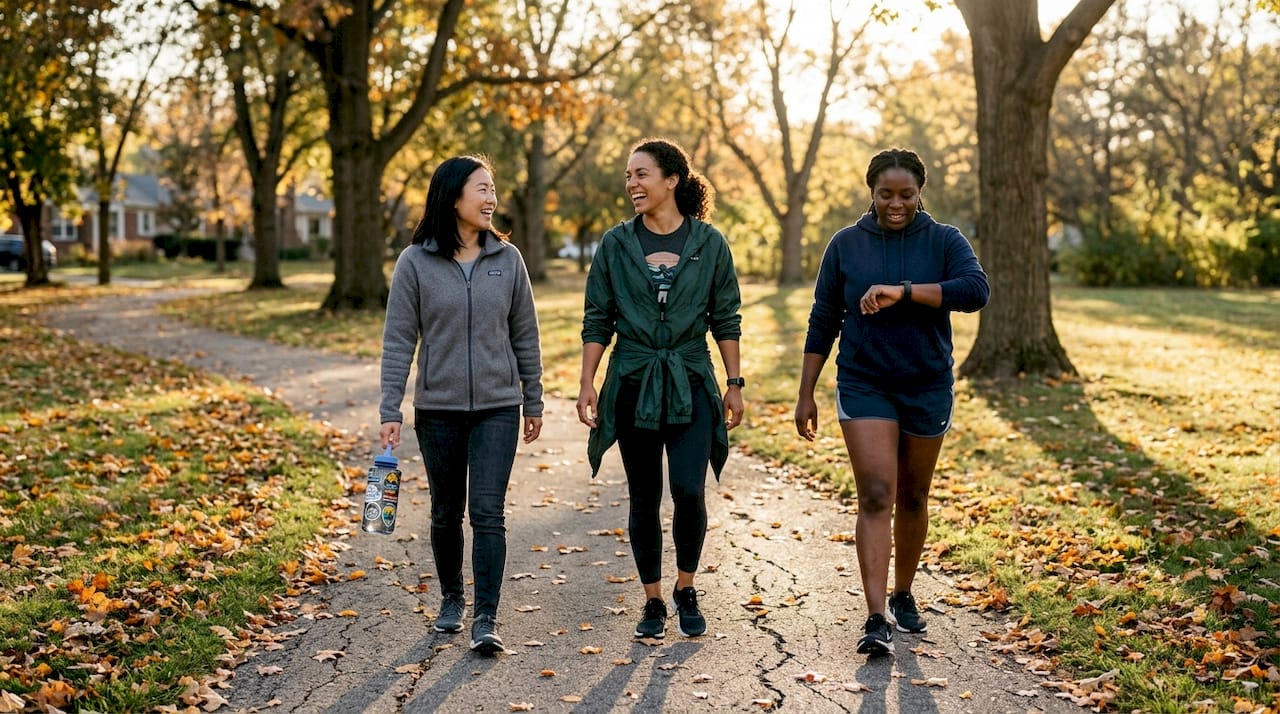
Research confirms that positive body image promotes self-care, holistic embodiment, and long-term resilience. Women who feel more at home in their bodies are more likely to engage in consistent, sustainable wellness habits, not because they are chasing a certain look, but because they genuinely want to feel good.
Here is a step-by-step approach to building body-positive self-care habits:
- Start with mindful movement. Choose activities you enjoy, not ones you feel you have to do. Walking, dancing, yoga, or swimming all count. The goal is to feel alive in your body, not to burn calories.
- Practice intuitive eating. Pay attention to hunger and fullness cues. Eat foods that nourish and satisfy you without labeling them as good or bad.
- Build a consistent skincare or body care routine. Caring for your skin is a tangible act of self-respect that reinforces positive feelings about your body.
- Practice daily gratitude for your body’s abilities. Notice what your body accomplishes, not just how it appears.
- Set boundaries around negative body talk. Yours and other people’s. This includes diet culture conversations, unsolicited comments, and your own inner critic.
For women interested in supporting their wellness journey through nutrition for body confidence, the way you fuel your body matters as much as the mindset you bring to it. And if you are looking to build a full routine, the wellness routine guide is a great place to start.
Pro Tip: Celebrate your body’s functionality every single day. Did you climb stairs, carry groceries, or get through a tough workout? That is worth acknowledging. Strength and endurance are achievements, not consolation prizes.
Holistic self-care is not about being perfect. It is about showing up for yourself consistently, in small, meaningful ways.
Navigating limitations, criticisms, and real-life applications
Body positivity is powerful, but it is not without its critics, and those criticisms deserve an honest look. Understanding the limits of the movement helps you apply its principles in a way that is genuinely sustainable.
Some critics point out that the movement has been commodified, with brands using body-positive language to sell products while ignoring deeper systemic issues around health and representation. There is also a concern that celebrating all bodies without nuance could discourage women from addressing legitimate health needs.
At the same time, body positivity may reduce disordered eating tendencies, even if direct empirical links to weight gain support are still being studied. The evidence suggests that acceptance-based approaches are generally healthier than shame-based ones.
Here is a comparison of three related frameworks to help you find your footing:
| Approach | Core focus | Best for |
|---|---|---|
| Body positivity | Celebrating all bodies | Building self-acceptance and confidence |
| Body neutrality | Valuing function over appearance | Women who find constant celebration exhausting |
| Weight stigma avoidance | Reducing harm from bias | Advocacy and systemic change |
Practical limits to keep in mind:
- Body positivity does not mean ignoring physical health signals your body sends you.
- It is not a substitute for professional support if you are dealing with disordered eating or body dysmorphia.
- Trends shift. What works for you personally matters more than what is popular online.
For women exploring the benefits of weight gain as part of their wellness journey, body positivity provides a supportive framework that prioritizes acceptance over pressure, which is a much healthier starting point.
A real-world perspective: What most advice about body positivity misses
Here is something mainstream body positivity content rarely admits: affirmations and aesthetic feeds alone will not get you there. Real, lasting confidence is built through action, not just attitude.
We have seen women spend months consuming body-positive content without feeling any more at home in their bodies. Why? Because the content gave them permission to feel good, but not a path to actually get there. There is a difference between being told your body is worthy and building daily habits that make you feel that way.
“Self-acceptance is not a destination. It is a practice you return to every day, especially on the hard days.”
The journey is not linear. Some days you will feel completely at peace with your body. Other days, old insecurities will creep back in, and that is normal. What matters is having a routine, a community, and a mindset that pulls you back toward yourself.
True body positivity is about nurturing your health, not just your appearance. That means eating well, moving in ways that feel good, caring for your skin, and building confidence from the inside out. Check out this body confidence checklist for a practical, grounded starting point that goes beyond motivational quotes.
Focus on what you can do every day, not on how quickly you can arrive at some idealized version of yourself.
Take the next step with enhanced confidence
You now have a clear picture of what body positivity can actually do for your mental health, emotional well-being, and daily self-care. The next step is putting it into practice with tools and resources built specifically for women like you.
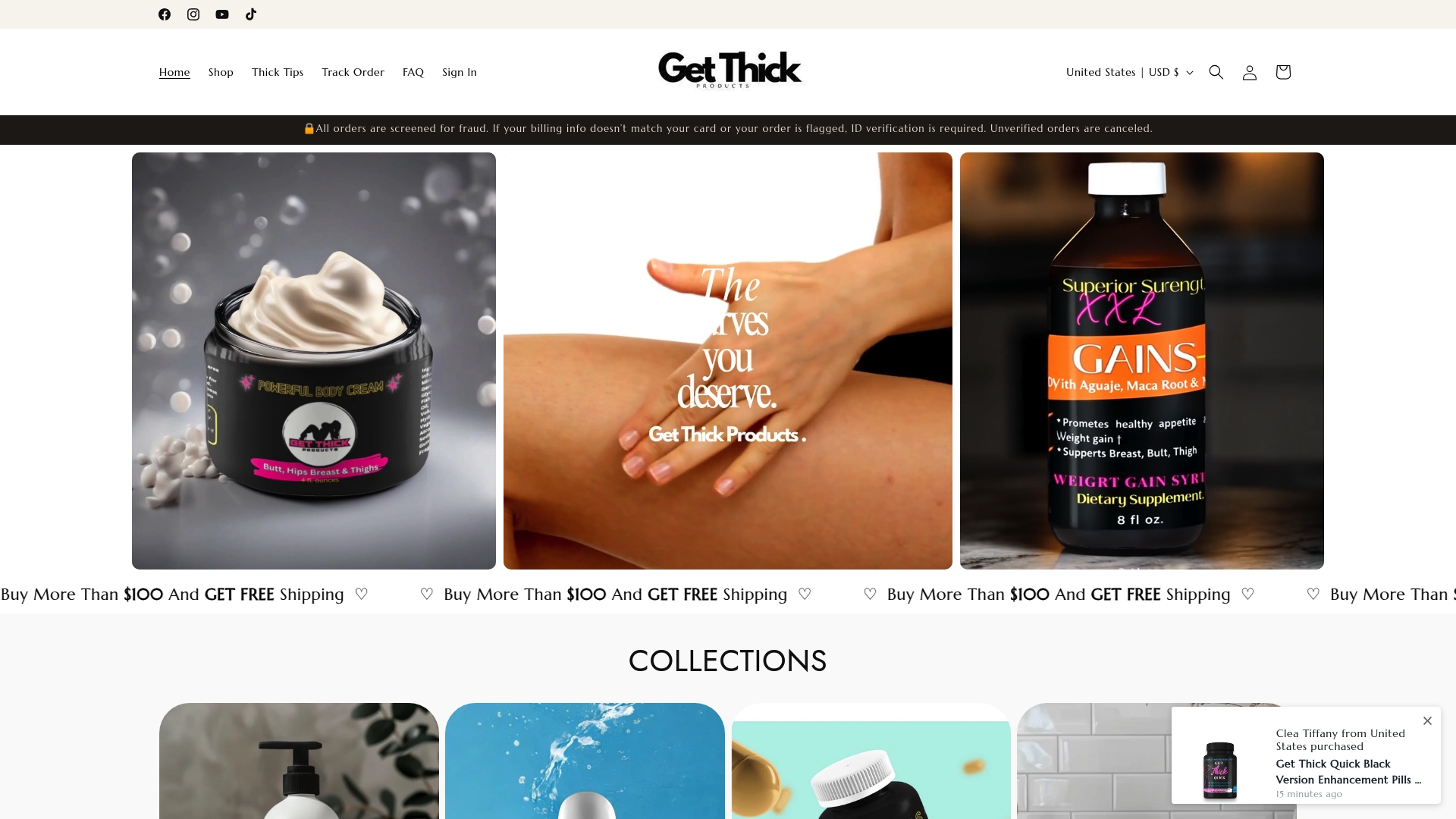
At Get Thick Products, we have curated guides, product collections, and wellness resources designed to support your body confidence journey in a real, tangible way. Whether you are exploring body care products, looking for supplement support, or just need a starting point, we have got you covered. Explore our articles on nutrition for confidence to pair the right habits with the right mindset. Your confidence journey deserves more than just inspiration. It deserves real support.
Frequently asked questions
How does body positivity help with everyday confidence?
Body appreciation improves well-being and self-confidence by encouraging you to value your worth beyond appearance, which makes it easier to show up fully in daily life.
Is there evidence that body positivity improves mental health?
Yes. Research shows a strong correlation between body positivity and higher self-esteem, along with reduced rates of anxiety and depression.
Can body positivity support weight gain or weight management?
Body positivity supports acceptance at various sizes, and while direct links to weight gain are still being studied, it does appear to reduce disordered eating patterns.
What’s the difference between body positivity and body neutrality?
Body positivity celebrates all bodies, while body neutrality focuses on your body’s function and health. A shift toward neutrality is increasingly seen as a sustainable path for long-term well-being.
Recommended
- Body positivity checklist for women: 10 steps to confidence – Get Thick Products
- Body confidence checklist: empower your curves & self-care – Get Thick Products
- Positive body image and natural weight gain guide – Get Thick Products
- 7 Surprising Benefits of Weight Gain for Women Naturally – Get Thick Products