

TL;DR:
- Research reveals that non-medical cosmetics boost mood, physical balance, and brain chemistry beyond appearance. Regular use enhances emotional well-being, neuromuscular coordination, and supports body positivity through self-expression. Choosing quality products and mindful routines transform cosmetics into accessible tools for holistic self-care and confidence.
Research has quietly been turning the beauty world upside down. The benefits of non-medical cosmetics go far beyond covering a blemish or adding color to your lips. Recent studies show that regular cosmetic use can lift your mood, improve physical balance, and even trigger brain chemistry changes that make you feel sharper and more capable. If you have ever dismissed your makeup routine as vanity, the science says otherwise. This article breaks down what non-medical cosmetics actually are, why they work on a psychological and physical level, and how you can use them to feel genuinely better in your skin.
Table of Contents
- Key Takeaways
- Benefits of Non-Medical Cosmetics: the full picture
- What non-medical cosmetics actually are
- Psychological and emotional benefits
- Physical and sensory benefits you might not expect
- How cosmetics promote body positivity
- Choosing and using non-medical cosmetics safely
- My take: cosmetics changed how I understand self-care
- Discover products built for your confidence goals
- FAQ
Key Takeaways
| Point | Details |
|---|---|
| Cosmetics differ from medical products | Non-medical cosmetics change appearance only and are regulated separately from drugs by the FDA. |
| Mood and brain function improve | Regular cosmetic use increases oxygenated blood flow in the prefrontal cortex, sharpening mood and cognition. |
| Physical benefits are real | Women who use cosmetics regularly score higher on balance and grip strength tests than those who do not. |
| Body positivity is supported | Cosmetics promote self-expression and individuality, reinforcing a positive relationship with your body. |
| Routine matters more than products | Integrating cosmetics into daily self-care creates consistent emotional and physical benefits over time. |
Benefits of Non-Medical Cosmetics: the full picture
Most people think of cosmetics as purely decorative. You put on some foundation, add a little mascara, and go about your day. But cosmetics support body positivity by engaging you in something far more meaningful than surface-level grooming. They act as a ritual, a form of self-expression, and a tangible daily investment in your own well-being.
The advantages of cosmetic products extend across emotional, physical, and social domains. Understanding the full scope of those benefits starts with knowing exactly what non-medical cosmetics are and how they stand apart from the medical skincare products that often get lumped in with them.
What non-medical cosmetics actually are
There is a lot of confusion in the beauty aisle. Words like “cosmeceutical,” “clinically tested,” and “dermatologist approved” blur the lines between cosmetics and medicine. Consumers often confuse cosmeceuticals with actual medical treatments, but the legal and functional distinctions are meaningful.
The FDA defines a cosmetic as a product intended to cleanse, beautify, promote attractiveness, or alter appearance. A drug, by contrast, is intended to diagnose, cure, treat, or prevent disease, or to alter the structure or function of the body. Products making structural claims are legally classified as drugs, which changes everything from required testing to marketing language.
Here is a quick comparison to clarify the difference:
| Feature | Non-Medical Cosmetics | Medical Skincare / Drugs |
|---|---|---|
| Regulatory body | FDA (cosmetics rules) | FDA (drug approval process) |
| Intended effect | Appearance enhancement | Structural or physiological change |
| Clinical trials required | No | Yes |
| Examples | Moisturizers, lipstick, body cream | Prescription retinoids, acne treatments |
| Marketing claims allowed | Appearance-based | Treatment or cure claims |
Non-medical cosmetics include everyday products like foundation, mascara, body lotions, fragrance, hair color, and topical enhancement creams. They do not require clinical trials or drug approval. That means they reach the market faster and are used more freely. It also means it falls on you to choose quality products from credible brands. Understanding med spa safety standards can give you helpful context for distinguishing cosmetic from medical-grade services, especially if you explore professional beauty treatments.
Psychological and emotional benefits
This is where things get genuinely surprising. Non-medical skincare benefits and makeup use are not just about looking better. They are about feeling better, at a neurological level.
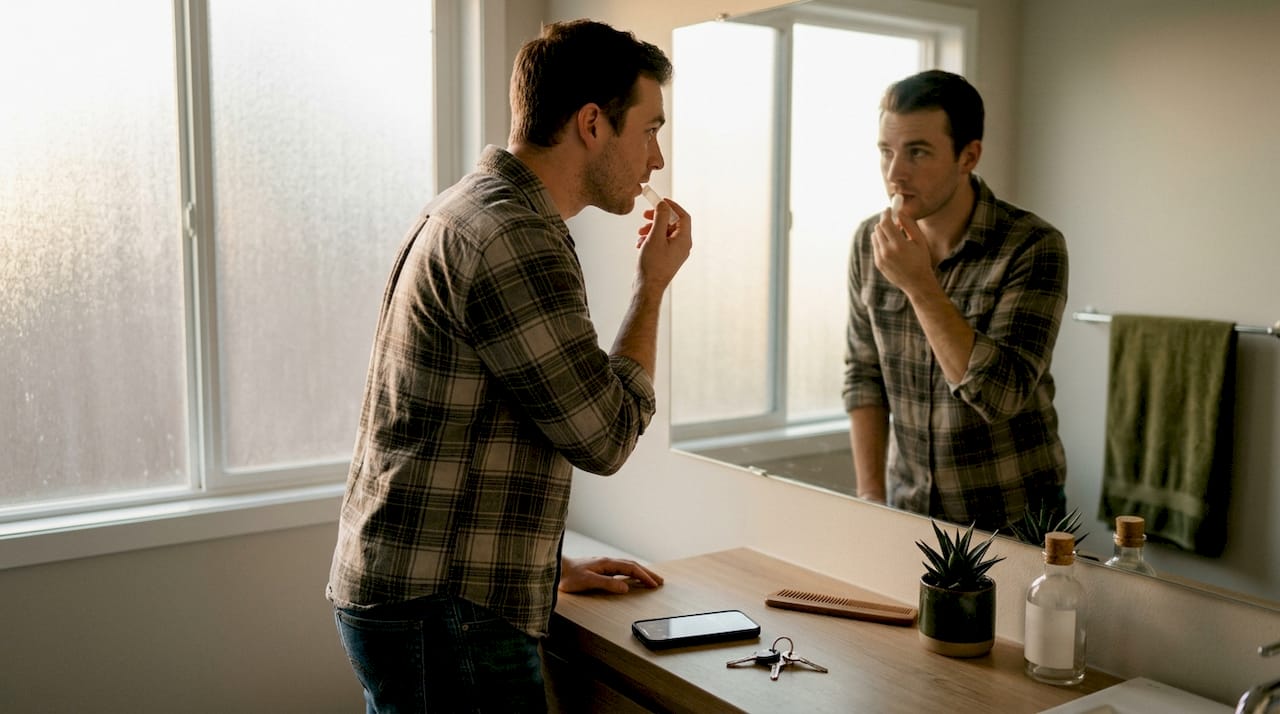
Cosmetic therapy increases oxygenated hemoglobin concentration in the prefrontal cortex. That is the part of your brain responsible for decision-making, emotional regulation, and focus. More blood flow there means stabilized brain wave patterns, which translate directly to improved mood and cognitive function. That is not a placebo. That is measurable brain activity.
The psychological theories behind this are also worth knowing:
- Self-perception theory: When you groom yourself, your brain reads that action as a signal that you are capable and in control. The behavior reinforces the belief.
- Enclothed cognition: Wearing cosmetics enhances self-perception, which shifts behavior and mental state. Put simply, when you look like you have your life together, your brain starts acting like you do.
- Dopamine release: Makeup can elevate mood by releasing dopamine, acting as psychological armor in social situations where anxiety or self-consciousness might otherwise take over.
- Emotional first aid: For individuals dealing with low motivation or depression, makeup application serves as emotional grounding, disrupting negative thought loops through sensory focus on sight, touch, and smell.
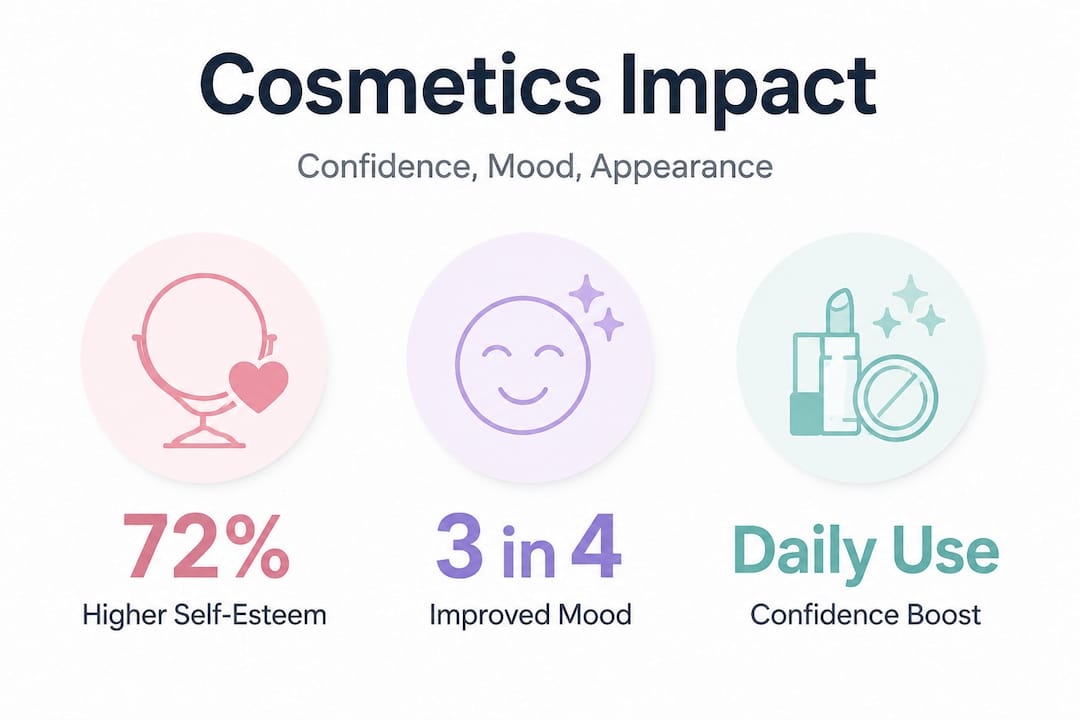
The research on older adults is especially striking. 72% of women over 65 who regularly used cosmetics scored higher on mood assessments and performed better in physical balance tests than non-users. A study of 295 women confirmed that regular cosmetic users reported stronger psychological and physical health overall.
Pro Tip: If you are going through a rough patch emotionally, try keeping your beauty routine simple but consistent. Even five minutes of skincare or light makeup in the morning can serve as a reset that shifts your mental state before the day begins.
Physical and sensory benefits you might not expect
Most conversations about beauty products skip the physical side entirely. But the non-invasive beauty solutions available today do more than enhance your appearance. For many women, they support physical function in ways researchers are only beginning to document.
Here is what the evidence shows about the physical benefits of beauty products:
-
Improved grip strength: Regular cosmetics use, particularly the fine motor skills involved in applying makeup, has been linked to better grip strength in older women. The repetitive, precise hand movements reinforce neuromuscular coordination.
-
Better balance: The same study of women who regularly use cosmetics found measurable improvements in physical balance. Researchers believe this connects to the broader health engagement that cosmetics routines encourage.
-
Reduced fall risk: For older adults, makeup use supports physical independence by encouraging daily movement, engagement, and routine. That structure translates into fewer sedentary hours and better physical outcomes.
-
Sensory stimulation: Sensory stimulation from cosmetics — the texture of a cream, the scent of a serum, the visual feedback in a mirror — engages neural pathways in ways that support mental and physical wellness simultaneously. This is not incidental. Sensory engagement is one of the core mechanisms that keeps cognitive function sharp as we age.
The cosmetic product effectiveness research conducted in nursing home settings found that cosmetic therapy improved mood, satisfaction, motivation, comfort, and vigor among elderly participants. Those are not vanity metrics. Those are quality-of-life indicators that matter deeply.
Pro Tip: If you want to get more physical benefit from your beauty routine, slow down the application process. Take time to massage in your moisturizer or body cream rather than rushing. The manual stimulation adds a therapeutic layer that benefits circulation and skin elasticity.
You can learn more about how cosmetic use builds confidence and physical function at the same time in Getthickproducts’ in-depth resource on non-medical beauty and body confidence.
How cosmetics promote body positivity
Body positivity is not about pretending you love everything about your appearance. It is about developing a respectful, accepting relationship with your body, and cosmetics can play a real role in that process.
When you choose how to present yourself, you exercise agency. That agency matters. Here is how cosmetics connect to a healthier body image:
- Self-expression over correction: Using cosmetics to highlight what you love rather than conceal what you dislike shifts your relationship with your appearance from shame-based to celebratory.
- Individuality: Natural cosmetic advantages include the ability to customize your look entirely to your own taste, not a beauty standard someone else set. That personalization reinforces the idea that there is no single correct way to look.
- Social inclusion: Applying makeup is a meaningful activity that promotes social participation. Whether it is getting ready with friends, showing up to a fitness class feeling confident, or engaging in an online beauty community, cosmetics open doors to belonging.
- Motivation loop: Motivation to self-care increases with makeup use due to aesthetic satisfaction and social interaction. When you feel good about how you look, you are more likely to invest in other areas of your well-being too.
The body positivity movement has long argued that appearance choices should be self-directed rather than externally imposed. Cosmetics, used intentionally, become a tool for that self-direction rather than a concession to social pressure.
Choosing and using non-medical cosmetics safely
Knowing the benefits of organic makeup and non-medical cosmetics only helps if you are selecting products that actually deliver. Here is how to make smarter choices:
- Read ingredient lists, not just claims: Words like “natural” and “clean” are not regulated terms. Look for specific ingredients you recognize and research rather than marketing language.
- Match products to your skin type: A body cream formulated for dry skin will not perform the same on oily or combination skin. Customizing your routine to your actual skin type gets you better results and reduces irritation.
- Watch for misleading medical language: If a cosmetic product claims to “repair DNA,” “restructure collagen,” or “cure” anything, those are drug claims. A cosmetic cannot legally make those promises, and a product that does is either misbranded or misrepresenting its ingredients.
- Treat your routine as self-care, not obligation: The emotional and physical benefits of cosmetics come partly from the ritual itself. Approaching your routine as something you do for yourself rather than to meet a standard changes the psychological impact entirely.
Pro Tip: When trying a new product, patch test it on your inner wrist for 24 hours before full use. Skin reactions are far easier to address when you catch them early, and good products should never require you to tolerate discomfort.
My take: cosmetics changed how I understand self-care
I will be honest. I used to think of makeup as something women felt pressured to wear. I saw it as a social obligation dressed up as choice. What changed my thinking was not a trend. It was reading the actual research.
When I learned that the transformative power of cosmetics extends beyond appearance to emotional well-being and motivation, acting as a grounding ritual, something clicked. This is not about conforming to beauty standards. It is about using sensory experience, intentional routine, and personal expression as genuine wellness tools.
In my experience, the women who get the most from their cosmetics routines are not the ones spending the most money. They are the ones who treat the process as meaningful. They slow down. They pay attention to how a product feels, not just how it looks. They use their routine as five minutes of daily investment in themselves.
I think the biggest misconception we need to challenge is that caring about your appearance is shallow. The science says it is neurological, physical, and deeply human. Choosing cosmetics intentionally is one of the most accessible forms of self-care available to anyone. That framing deserves to be mainstream.
— Nakeisha
Discover products built for your confidence goals
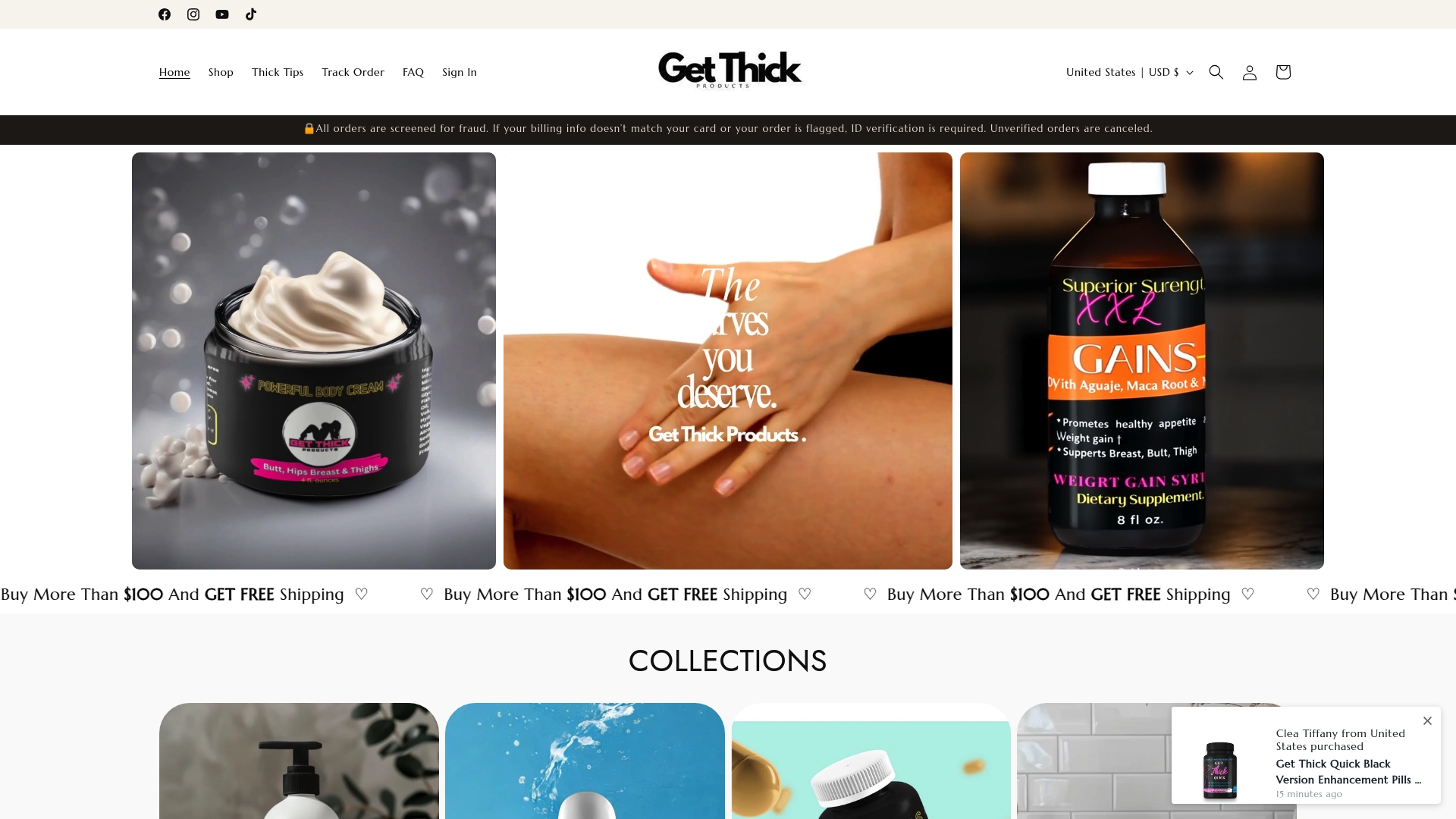
If this article has you rethinking what your beauty routine can do for you, Getthickproducts was built exactly for that moment. The brand offers body enhancement creams, topical care products, and wellness supplements designed to support your appearance goals and your confidence, all formulated with a cosmetic and wellness focus rather than medical claims. Whether you are looking to support healthy curves, nourish your skin, or build a self-care routine that actually feels good, you can explore the full range at Getthickproducts. You can also check out their blog on cosmetic supplements and body benefits for deeper reading on how beauty and wellness overlap.
FAQ
What are non-medical cosmetics?
Non-medical cosmetics are products intended to enhance appearance without altering the body’s structure or function. Examples include moisturizers, lipstick, body creams, and foundation, all regulated as cosmetics rather than drugs by the FDA.
Can non-medical cosmetics really improve mood?
Yes. Research shows that cosmetic use increases oxygenated blood flow in the prefrontal cortex and triggers dopamine release, both of which measurably improve mood and emotional state.
What is the difference between cosmetics and cosmeceuticals?
Cosmeceuticals are a marketing term, not a legal category. The FDA recognizes only cosmetics and drugs. Any product claiming to alter skin structure or function is legally a drug, regardless of what it is called on the label.
How do cosmetics support body positivity?
Cosmetics support body positivity by enabling self-expression, reinforcing individuality, and creating a positive motivation loop around self-care. Studies link regular cosmetic use to stronger social participation and increased motivation to engage with overall wellness.
Are there physical benefits to using cosmetics regularly?
Research shows that regular cosmetic use, particularly in older women, is associated with better grip strength, improved balance, and greater physical independence. The fine motor activity and sensory engagement involved in application are key contributors.