

Counting calories feels logical until it stops working. Most women chasing visible results focus on total intake while ignoring the hormonal and metabolic factors that actually drive how their bodies store, use, and respond to food. Most women’s diet guidance ignores critical hormonal and metabolic differences, which explains why so many women hit frustrating plateaus despite doing everything “right.” Women-focused nutrition flips that script. It works with your body’s natural rhythms instead of against them, and the payoff goes far beyond the scale. Think stronger muscles, better energy, glowing skin, and the kind of confidence that comes from genuinely nourishing yourself.
Table of Contents
- What is women-focused nutrition?
- Core principles and benefits of women-focused nutrition
- How women’s nutrition needs change with age and life stage
- Meal planning for curves, confidence, and wellness
- Supplements, beauty, and gut health for body enhancement
- Avoiding pitfalls: junk calories, processed foods, and misinformation
- Next steps: empower your journey with curated wellness
- Frequently asked questions
Key Takeaways
| Point | Details |
|---|---|
| Tailored for women’s biology | Women-focused nutrition optimizes health and confidence by meeting unique hormonal and metabolic needs. |
| Nutrient-dense approach | Prioritizing whole foods rich in protein, iron, and antioxidants drives muscle gain and long-term wellness. |
| Smart supplementation | Use supplements for gaps, but let food be your primary source for enhancement and overall health. |
| Avoid processed foods | Skip junk calories to build healthy curves, glowing skin, and hormonal balance. |
| Plan with your cycle | Adapting nutrition to your life stage and menstrual phase boosts gains and supports body positivity. |
What is women-focused nutrition?
Many women are frustrated by diets that don’t work with their bodies. Women-focused nutrition is not a trend or a marketing label. It is a practical, evidence-based approach that accounts for the hormonal shifts, metabolic differences, and life stage changes that make female physiology unique.
General nutrition advice was largely built on research done with male subjects. Women’s bodies cycle through hormonal phases every month, respond differently to calorie deficits, and have distinct needs for specific micronutrients. Women-specific nutrition considers hormonal and metabolic differences across life stages, with unique needs for iron, calcium, protein, folate, omega-3s, and vitamins B, C, and D.
Here are the key nutrients women need to prioritize:
- Iron: Critical for energy and oxygen transport, especially during reproductive years
- Calcium and vitamin D: Essential for bone density at every age
- Protein: Supports muscle building, hormone production, and satiety
- Folate: Vital for cell repair and reproductive health
- Omega-3 fatty acids: Reduce inflammation and support brain and skin health
- B vitamins: Fuel energy metabolism and nervous system function
“One-size-fits-all diets ignore the reality that women’s bodies are constantly shifting. Nutrition that honors those shifts is nutrition that actually works.”
Building a strong foundation starts with understanding your body’s real needs. Learning about building confidence through nutrition is a great place to start that journey.
Core principles and benefits of women-focused nutrition
Now that we understand what women-focused nutrition is, let’s explore the guiding principles and the real-life benefits women experience.
One of the most powerful tools in women-focused nutrition is cycle-based eating. This means adjusting your macronutrient intake (protein, carbs, and fats) to match the hormonal phases of your menstrual cycle. Precision nutrition aligning macros to menstrual phases boosts lean mass gain and metabolic health. During the follicular phase, your body is more insulin-sensitive and primed for carbohydrate use. During the luteal phase, protein and healthy fats become more important.
Anti-inflammatory foods are another cornerstone. Berries, leafy greens, fatty fish, nuts, and seeds all reduce chronic inflammation, which is directly linked to hormonal imbalance, weight gain, and low energy. These foods also deliver antioxidants that protect your cells and support skin health.
Here are the core principles to follow:
- Align your macros with your hormonal cycle for better results
- Prioritize anti-inflammatory, antioxidant-rich whole foods daily
- Eat enough protein to support muscle growth and hormone production
- Maintain a moderate calorie surplus if your goal is healthy weight gain
- Stay consistent with micronutrient-rich foods to prevent deficiencies
Stat to know: High-quality carb intake is linked to 31% higher odds of healthy aging in midlife women. That means whole grains, legumes, and fruit, not processed carbs, are your allies.
The benefits are real and measurable. Women who follow these principles report more energy, better mood, stronger muscles, and a more positive relationship with their bodies. Explore the natural weight gain benefits that come with a nutrition-first approach.
How women’s nutrition needs change with age and life stage
Women aren’t a monolith. Here’s how nutritional needs and best practices evolve as you age or shift life phases.
| Life stage | Key focus areas | Top nutrients |
|---|---|---|
| Teens and early 20s | Bone development, growth | Calcium, iron, vitamin D |
| Reproductive years (20s-40s) | Hormonal balance, fertility | Iron, folate, omega-3s, protein |
| Midlife (40s-50s) | Muscle maintenance, energy | Protein, fiber, antioxidants |
| Post-menopause | Bone density, muscle mass | Calcium, vitamin D, extra protein |
During reproductive years, women require 18mg of iron per day, especially before menopause, and higher protein after menopause to fight muscle loss. This is not optional. Iron deficiency is one of the most common nutritional gaps in women aged 21 to 50, and it directly affects energy, focus, and metabolism.
As you move into midlife, the focus shifts. Estrogen levels begin to decline, which accelerates muscle loss and bone thinning. Protein becomes your best friend here. Aim for at least 1.6 grams per kilogram of body weight daily to preserve lean mass. Fiber supports gut health and helps manage the weight changes that often come with hormonal shifts.
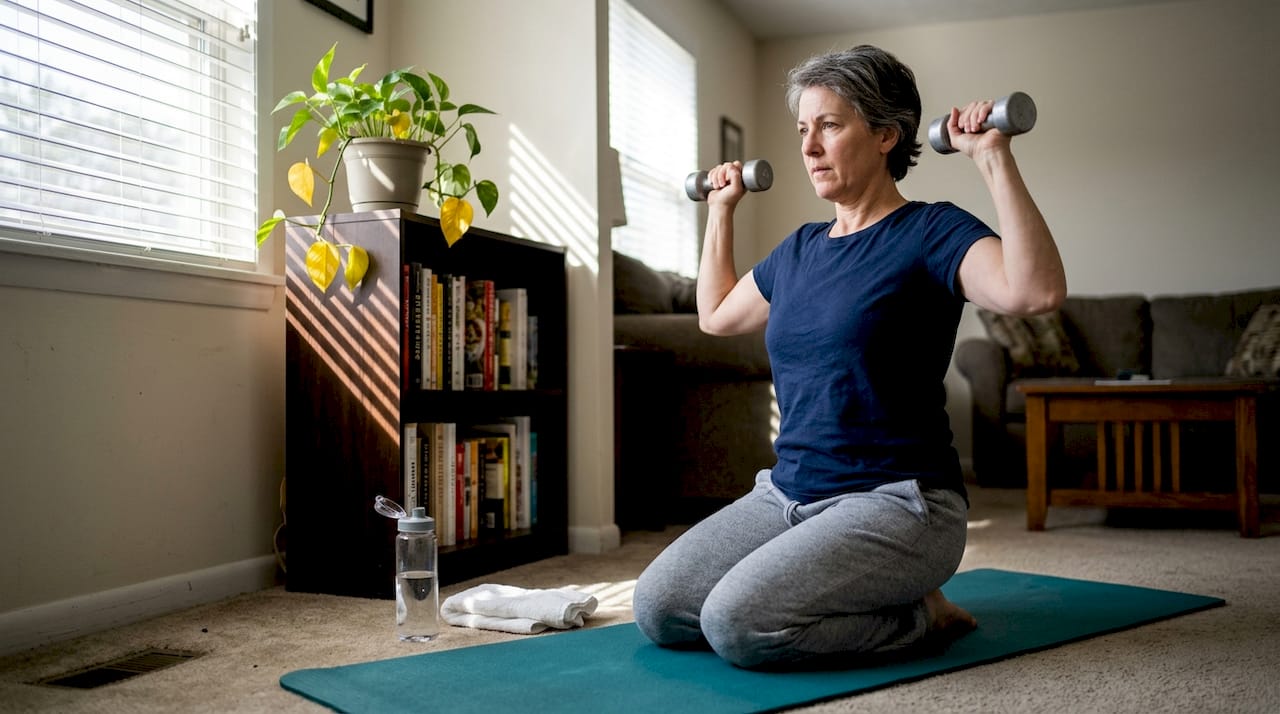
Pro Tip: If you are in your 40s or 50s, add a handful of pumpkin seeds or a serving of Greek yogurt to your daily routine. Both deliver protein, zinc, and calcium in one easy step.
Supporting your body through every stage is part of embracing body positivity for women at any age.
Meal planning for curves, confidence, and wellness
A personalized meal plan is your foundation. Here’s how to structure nourishing meals and snacks to meet your goals.
For women focused on body enhancement and healthy weight gain, the macro framework matters. Rough macros for body recomposition look like this: 30 to 35% protein, 35 to 40% carbs, and 25 to 30% fats, with a calorie surplus of 300 to 500 calories per day to support muscle gains.
| Refined option | Better swap | Why it works |
|---|---|---|
| White bread | Whole grain bread | More fiber, steadier energy |
| Sugary yogurt | Plain Greek yogurt | Higher protein, less sugar |
| Vegetable oil | Avocado or olive oil | Anti-inflammatory fats |
| Candy or chips | Mixed nuts and dried fruit | Calorie-dense and nutrient-rich |
Here is a sample day built around these principles:
- Breakfast: Oatmeal with almond butter, banana, and chia seeds (approx. 550 calories, 20g protein)
- Lunch: Grilled chicken or tofu over brown rice with roasted vegetables and olive oil (approx. 600 calories, 35g protein)
- Snack: Full-fat Greek yogurt with berries and a handful of walnuts (approx. 300 calories, 18g protein)
- Dinner: Salmon with sweet potato and steamed broccoli (approx. 550 calories, 38g protein)
Pro Tip: Prep your snacks in advance. When hunger hits between meals, having a protein-rich option ready prevents you from reaching for processed foods that work against your goals.
For extra support, explore supplements for women’s curves that complement a solid meal plan.
Supplements, beauty, and gut health for body enhancement
For many women, the right supplements and functional foods are game changers. Let’s see what works and what to skip.
Whole foods come first, always. But supplements like protein powder and creatine can be beneficial if your diet is insufficient. Creatine, in particular, is one of the most researched supplements for women. It supports muscle strength, cognitive function, and even mood stability.
Here is what the evidence supports:
- Protein powder: Fills gaps when whole food protein is hard to hit
- Creatine monohydrate: Supports lean muscle gain and strength
- Probiotics: Improve gut health, which directly affects hormone metabolism
- Antioxidants (vitamin C, E, selenium): Protect skin and reduce inflammation
- Inositol: Supports insulin sensitivity and hormonal balance, especially for women with PCOS
“Antioxidants, inositols, and probiotics are trending for hormone balance, gut health, and metabolism, fueling a $316 billion market by 2035.”
Gut health is the hidden link between nutrition and beauty. A balanced gut microbiome improves nutrient absorption, reduces bloating, and supports clearer skin. Fermented foods like kefir, kimchi, and sauerkraut are easy daily additions. Physical activity also plays a role. Even recreational boxing builds confidence and supports the kind of active lifestyle that amplifies your nutrition results.
Learn more about the types of weight gain supplements that are designed specifically for women’s goals.
Avoiding pitfalls: junk calories, processed foods, and misinformation
Not all weight gain is healthy. Here’s how to avoid the traps that can sabotage your goals.
A calorie surplus built on fast food, sugary drinks, and packaged snacks will add weight, but not the kind you want. Processed foods spike insulin, disrupt hormones, and promote fat storage in areas that don’t align with your body enhancement goals. Avoiding refined sugars and processed foods improves odds of healthy aging, muscle gain, and hormonal health.
Here are the most common mistakes to avoid:
- Relying on “dirty bulking” with fast food and sugary snacks
- Following viral influencer trends without checking the evidence
- Skipping meals and then overeating processed foods later
- Ignoring micronutrients and focusing only on calories
- Cutting entire food groups based on outdated diet myths
“Misinformation spreads fast on social media. If a nutrition claim sounds too simple or too extreme, it probably is. Real results come from consistency, not shortcuts.”
Influencer culture makes it easy to get pulled into fads. Before trying any new diet trend, ask yourself: is this backed by research, or is it just popular? Your body deserves better than a viral moment. Understanding body enhancement and confidence means making choices that serve your long-term wellness, not just a quick fix.
Next steps: empower your journey with curated wellness
Equipped with the right knowledge, you’re ready to take your next step toward confidence and body positivity.
Knowing what to eat is powerful. Having the right support to back it up makes all the difference. Whether you’re focused on building curves, gaining healthy weight, or simply feeling more at home in your body, the right products can complement everything you’ve learned here.
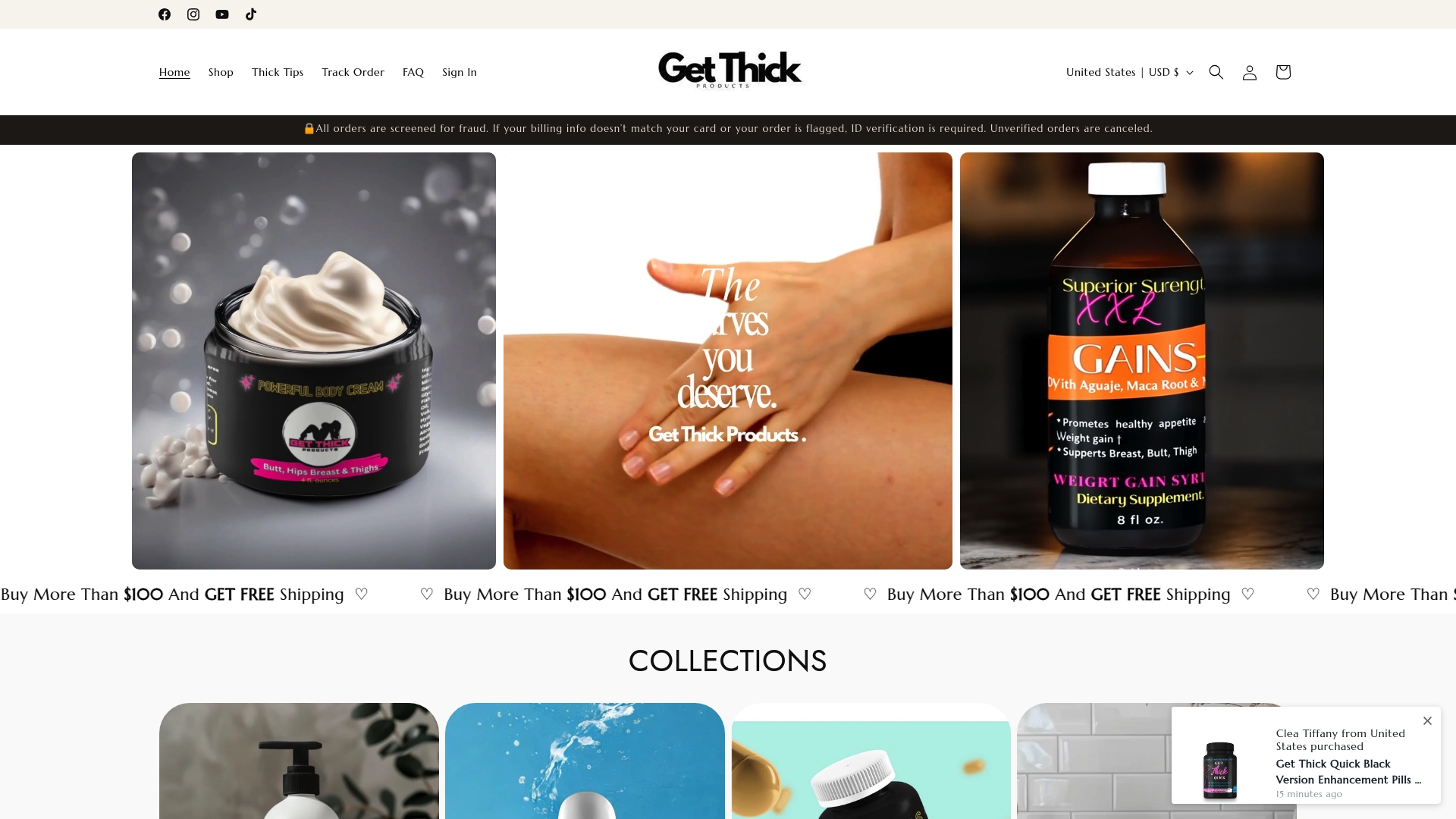
At Get Thick Products, we’ve built a line of wellness supplements and body enhancement products specifically for women who want real, confidence-driven results. From dietary supplements designed to support healthy weight gain to topical creams that enhance your natural shape, every product is formulated with your goals in mind. Explore our full range of wellness solutions for women and find the support that fits your lifestyle, your body, and your journey.
Frequently asked questions
What makes women-focused nutrition different from general nutrition?
Women-focused nutrition tailors dietary strategies to female-specific hormonal and metabolic changes, including unique needs for iron, calcium, and protein that general nutrition guidelines often overlook.
Which nutrients are especially important for women’s body enhancement goals?
Protein, iron, calcium, omega-3s, and antioxidants are the foundation. Macro and micronutrient needs differ for women at each life stage, making personalized intake essential for muscle gain and skin wellness.
Can women-focused nutrition help with natural weight gain?
Absolutely. Precision nutrition aligning macros to menstrual phases supports lean mass gain, meaning you build curves and strength rather than just adding body fat.
Should I prioritize supplements or food for wellness and curves?
Food comes first. Supplements aid if deficient, but a nutrient-dense whole food diet is your strongest tool. Add protein powder or probiotics only when your diet has real gaps.
What common mistakes do women make when trying to gain weight?
The biggest one is relying on high-calorie processed foods. Junk surpluses promote unhealthy fat rather than muscle, which means you gain weight without the shape or strength you’re actually after.
Recommended
- Wellness supplements for women: curves, confidence & results – Get Thick Products
- Build confidence with a natural wellness routine for women – Get Thick Products
- 7 Surprising Benefits of Weight Gain for Women Naturally – Get Thick Products
- Body positivity checklist for women: 10 steps to confidence – Get Thick Products
- Maximize client engagement with mobile wellness apps | TrainingPro