

TL;DR:
- Lifestyle factors such as sleep, stress, and daily movement significantly influence women’s weight and natural curves over time. Sustainable habits including consistent eating, activity, and behavioral strategies are more effective than quick fixes for lasting shape development. Incorporating lifestyle support like natural products can enhance confidence and support ongoing body goals.
You have probably tried at least one approach that promised fast results, only to find yourself back where you started a few months later. The role of lifestyle in weight management is not a trendy concept; it is the actual mechanism behind lasting body shape changes. Research consistently shows that multiple lifestyle factors including sleep, stress, eating habits, and physical activity work together to determine not just your weight but also how your body distributes and carries that weight. This guide breaks down exactly what that means for women who want to build and maintain natural, confident curves.
Table of Contents
- Understanding how lifestyle influences weight and curves
- Sustainable eating and physical activity: foundation for natural curve enhancement
- Behavioral strategies and self-monitoring for lasting weight management
- Sleep and stress: overlooked lifestyle pillars for healthy body shape
- Comparing dietary approaches for effective and natural weight management
- Why sustainable lifestyle habits beat quick fixes for women’s natural curves
- Enhance your curves with natural lifestyle support and confidence
- Frequently asked questions
Understanding how lifestyle influences weight and curves
Your body responds to everything you do, not just what you eat. The way you sleep, how you handle a stressful workday, how much you move, and even the routines you fall into at home all shape your body over time. Understanding this gives you far more control than any single-ingredient supplement or crash diet ever could.
Lifestyle factors influencing weight include insufficient sleep and stress, both of which cause overeating and reduce your motivation to stay active. When you are sleep-deprived, your body produces more ghrelin (the hunger hormone) and less leptin (the hormone that signals fullness). That is not a willpower issue; it is biology.
Does lifestyle affect weight loss? Absolutely, and more than most women realize. Stress alone can trigger cortisol spikes that drive you toward high-calorie comfort foods, even when you are not physically hungry. Over time, these small daily patterns compound into significant shifts in body weight and shape.
Here is what you need to know about the lifestyle factors most likely affecting your curves right now:
- Sleep: Less than 7 hours per night regularly is linked to increased caloric intake and weight gain.
- Stress levels: Chronic stress raises cortisol, which encourages fat storage, particularly around the midsection.
- Caloric balance: Eating more calories than your body uses leads to weight gain; the key is finding a sustainable balance rather than extreme restriction.
- Daily movement: Even low-intensity movement outside formal exercise (like walking or standing) burns calories and improves your body’s response to food.
- Social and work environments: The people around you and your schedule influence the choices you make daily, from what you order for lunch to whether you go for a walk after dinner.
Understanding the benefits of natural weight gain puts these factors into a fuller picture, especially when your goal is enhancing curves rather than simply losing weight.
Sustainable eating and physical activity: foundation for natural curve enhancement
A healthy eating plan combined with physical activity supports weight loss and maintenance only when you can actually stick with it long term. That word “maintain” matters more than most diet programs admit. A plan you follow for six weeks and abandon does far less for your shape than one you follow imperfectly for six months.
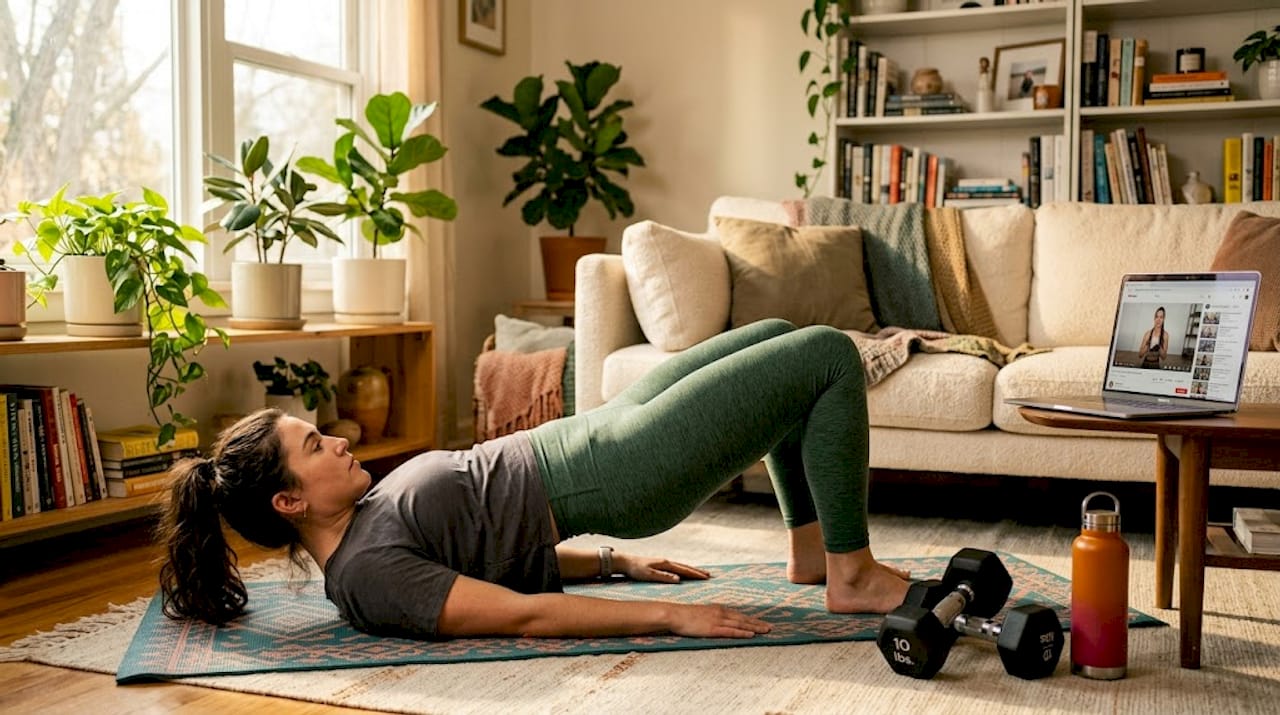
The impact of diet on weight management comes down to consistency over perfection. You do not need to eat perfectly; you need to eat in a way that creates a gentle caloric surplus or deficit depending on your goals, while providing enough protein to support muscle development and enough nutrients to keep your energy stable.
Here is a practical approach to building the foundation:
- Start with foods you genuinely enjoy. If your eating plan feels like punishment, you will not follow it. Choose a balanced approach featuring real, satisfying meals rather than elimination.
- Aim for 150 minutes of moderate aerobic activity weekly. That is about 30 minutes, five days a week. Walking, dancing, cycling, and swimming all count.
- Add muscle-strengthening exercises twice a week. Squats, lunges, glute bridges, and resistance training build the muscle tissue that gives your body its shape and curves.
- Build up gradually. Starting at 20 minutes three times a week and building up is far more effective than burning out with a five-day schedule in week one.
- Pair movement with meals you enjoy. When healthy living and weight control feel connected to pleasure rather than restriction, you are far more likely to maintain both.
Pro Tip: Focus your strength training on your glutes, hips, and thighs if natural curve enhancement is your goal. Muscle added in those areas changes your silhouette far more noticeably than cardio alone.
Explore natural body shape routines and women-focused nutrition guidance to build a program that fits your lifestyle and body goals.
Behavioral strategies and self-monitoring for lasting weight management
You can know exactly what to eat and how to exercise and still struggle to make it stick. That is not a knowledge problem; it is a behavior problem. Behavioral components like self-monitoring and ongoing professional support are key to maintaining weight loss because habits exist inside systems, not just inside intentions.
Self-monitoring means keeping a record of your food intake, physical activity, and even your weight on a regular basis. It works because it closes the gap between what you think you are doing and what you are actually doing. Most people underestimate how much they eat and overestimate how much they move. A simple food log, even an imperfect one, corrects that.
Here are the behavioral habits for maintaining weight that make the biggest difference:
- Set specific, measurable goals. “I will walk 30 minutes after dinner four nights this week” works. “I will be more active” does not.
- Track consistently, not perfectly. Missing a day of logging is fine. Missing three weeks is a setback. Aim for 80% consistency.
- Seek support. Whether it is a wellness counselor, a friend with similar goals, or an online community, accountability dramatically improves follow-through.
- Use apps and digital tools. Free tracking apps make food and activity logging quick enough to actually happen. Some also sync with fitness trackers for a fuller picture.
- Review your patterns weekly. A 10-minute weekly check-in helps you spot what is working and what needs adjustment before small drifts become big ones.
Pro Tip: Keep your tracking method as simple as possible. A notes app on your phone works just as well as elaborate spreadsheets. The tool you will actually use is the right tool.
Find more lifestyle support built for women with strategies designed around real life, not ideal conditions.
Sleep and stress: overlooked lifestyle pillars for healthy body shape
Most weight management conversations start and end with food and exercise. That leaves out two factors that directly drive overeating and reduce activity motivation: sleep deprivation and chronic stress. Ignoring these while tracking calories is like trying to fill a leaking bucket.
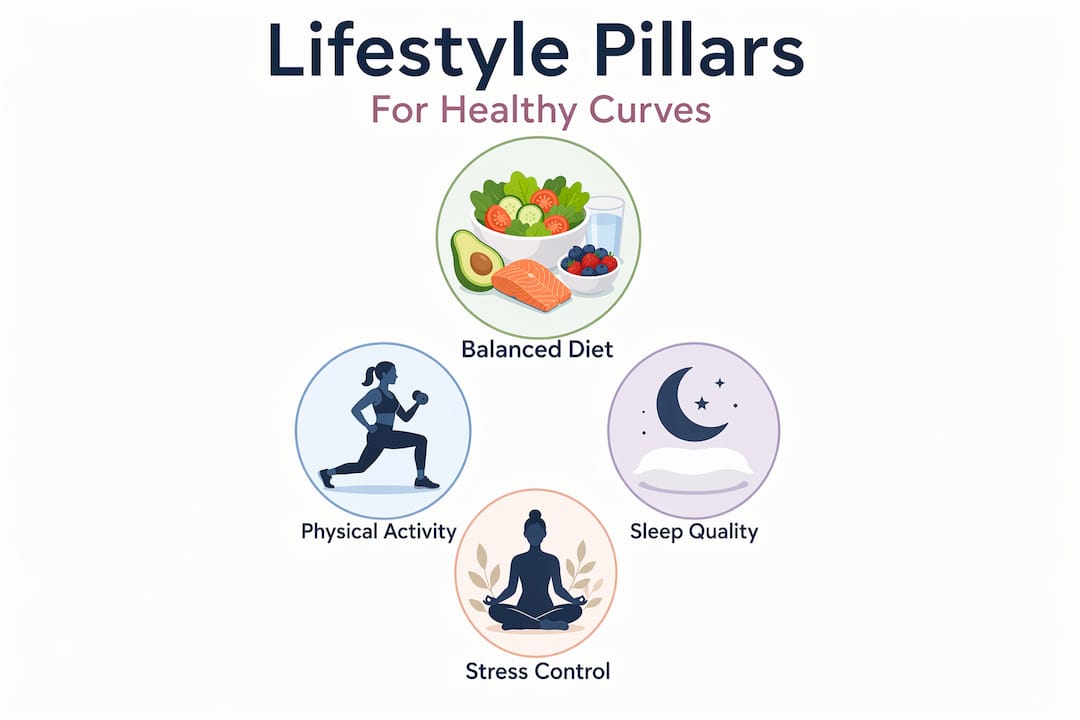
Healthy living and weight control are genuinely harder when you are exhausted and overwhelmed. Sleep loss affects the hormones that regulate hunger and fullness. Stress triggers emotional eating in ways that have nothing to do with actual hunger. Both reduce the energy and motivation you need to stay physically active, creating a cycle that compounds over time.
Here is how to address both:
- Prioritize 7 to 9 hours of sleep per night. Wind-down routines like dimming lights, limiting screens, and keeping a consistent bedtime make this far more achievable than trying to “just sleep earlier.”
- Recognize emotional eating triggers. Stress eating is not a character flaw; it is a learned coping response. Identifying your specific triggers is the first step to redirecting them.
- Build relaxation into your routine. Yoga, journaling, a walk in the evening, or even a 10-minute stretch before bed counts. The goal is regular, low-effort decompression.
- Understand the connection between rest and movement. Women who sleep well are more likely to exercise the next day and to make better food choices. Sleep is not separate from your fitness routine; it is part of it.
Visit this guide on building a natural wellness routine to see how small daily rituals add up to real, visible changes in your body and your confidence.
Comparing dietary approaches for effective and natural weight management
Choose an eating pattern that fits your preferences and weight goals. A weight-loss study should not be used as a promised result for someone pursuing weight gain and fuller curves.
Here is how popular dietary approaches compare for natural weight management:
| Diet approach | Average weight loss | Fat reduction | Sustainability | Best for |
|---|---|---|---|---|
| Vegan diet | Study-specific results; not a personal target | Significant | Moderate | Women motivated by plant-based eating |
| EAT-Lancet Planetary Health | Comparable to vegan | High | High | Women focused on long-term, eco-conscious choices |
| Mediterranean diet | Gradual and steady | Moderate | Very high | Women who want variety and flexibility |
| Calorie-controlled balanced diet | Varies by deficit | Moderate | High | Women who prefer no strict food rules |
A few key takeaways from the data:
- No single diet is universally best. The plan that fits your food preferences, culture, and schedule will outperform any “optimal” plan you cannot maintain.
- Caloric deficit still matters regardless of which approach you choose. The specific foods matter less than the overall energy balance.
- Pairing any of these approaches with behavioral strategies (tracking, goal-setting, support) significantly improves results.
- Fat mass reduction supports curve definition. Losing fat while maintaining or building muscle in targeted areas creates the natural, shapely appearance many women are looking for.
Dive deeper into women-focused nutrition strategies to match your dietary approach to your specific curve goals.
Why sustainable lifestyle habits beat quick fixes for women’s natural curves
Here is the uncomfortable truth about quick fixes: they often work, briefly, and then stop working in ways that leave you worse off. That brief success creates a false template for what results should look like. When the next “fast” approach does not deliver the same rapid change, it feels like failure, when it is actually just biology.
Sustainable habits including diet, activity, and behavioral skills produce clinically meaningful results precisely because they account for how the body actually adapts over time. Quick fixes rarely include a maintenance phase. Sustainable lifestyle programs do, and that phase is where real, lasting curves are built and kept.
The women we see making the most confident progress share a few things in common. They set realistic goals they can hit consistently rather than ambitious ones they abandon. They check in with their progress regularly, not to judge themselves, but to adjust. And they understand that their body shape is something they are actively building over months, not something that will magically appear after a two-week cleanse.
Body positivity is not just about accepting where you are. It also means giving your body the consistent care it needs to grow into the shape you want, at a pace that respects your health. Stable, gradual improvement builds genuine confidence in a way that dramatic short-term efforts simply cannot. Explore how to transform your curves naturally with the kind of sustainable approach that actually holds up over time.
Enhance your curves with natural lifestyle support and confidence
Your lifestyle is the real foundation of your natural curves, and now you have a clear picture of how to build it. At Get Thick Products, we created our line of body enhancement creams, dietary supplements, and body care products specifically for women who are already doing the work through nutrition, movement, and self-care habits, and want additional support on their journey.

Our products are designed to complement the lifestyle habits covered in this guide, not replace them. Whether you are exploring topical creams for targeted body enhancement or supplements to support healthy weight gain alongside your nutrition plan, everything we offer is built around one goal: helping you feel confident and at home in your body. Visit Get Thick Products to explore routines, product pairings, and wellness tips tailored to women who are serious about natural, lasting curve enhancement.
Frequently asked questions
How long does it take to see results from lifestyle changes in weight management?
Most women see noticeable changes within 12 weeks when structured dietary patterns are combined consistently with physical activity and behavioral habits. Results vary based on your starting point and how closely you follow the plan.
Why is self-monitoring important for weight management?
Tracking your food, activity, and weight keeps you aware of small drifts before they become large setbacks. Self-monitoring and frequent feedback consistently improve long-term weight maintenance in research settings.
How much physical activity should I aim for to maintain weight loss?
Aim for at least 300 minutes per week of moderate-intensity aerobic activity to help prevent weight regain and maintain your body shape over time.
Can stress really affect my body shape and weight?
Yes. Stress causes overeating and lowers activity motivation, both of which contribute to unwanted weight changes and can disrupt the curve definition you are working to build.