

TL;DR:
- Building body confidence relies on actions that align with personal values rather than appearance.
- Mindset shifts like prioritizing function and practicing gratitude enhance sustainable confidence.
- Combining nutrient-dense eating, strength training, and stress management supports healthy weight gain and curves.
Society hands women a contradictory script: love your body exactly as it is, but also change it to fit a shifting ideal. That tension is exhausting, and it’s why so many women feel stuck between self-acceptance and their real, personal goals. Here at Get Thick Products, we believe you can pursue curves, healthy weight gain, and a fuller figure and feel genuinely good about yourself right now. This article walks you through the mindset shifts, nutrition strategies, and resilience tools that actually move the needle, so you can build confidence that lasts beyond any before-and-after photo.
Table of Contents
- Understand the root of body confidence
- Reshape your self-talk for sustainable change
- Nourish and challenge your body the right way
- Celebrate progress and manage setbacks
- A real-world perspective on body confidence breakthroughs
- Ready to take the next step in your body confidence journey?
- Frequently asked questions
Key Takeaways
| Point | Details |
|---|---|
| Confidence from action | True body confidence comes from values-driven actions, not just appearance changes. |
| Mindset matters | Positive self-talk and affirmations help transform your outlook and satisfaction. |
| Targeted weight gain | Combining nutrient-rich food and strength training is best for natural curves. |
| Track and celebrate | Small milestones and resilience strategies keep your confidence journey on track. |
| Societal influence | Recognize and manage how external pressures and cultural messages affect self-image. |
Understand the root of body confidence
Most people use “body confidence,” “body positivity,” and “body neutrality” interchangeably. They are not the same thing, and knowing the difference changes how you approach your goals.
Body confidence is your belief that you can show up, take action, and handle life regardless of how you look on a given day. Body positivity is the practice of celebrating your appearance and affirming that all bodies are beautiful. Body neutrality is quieter: it asks you to appreciate what your body does rather than how it looks, and it tends to be less emotionally demanding for women who find constant positivity exhausting.
Research published in Nature found that body positivity vs. neutrality are actually predicted by different psychological factors. Body positivity correlates more strongly with self-esteem, while body neutrality is predicted by gratitude and mindfulness. That means the path you choose should match your personality and current emotional bandwidth, not a one-size-fits-all trend.
What actually builds confidence over time? Action. Specifically, confidence grows through self-trust when you repeatedly do things that align with your values, not when you wait for approval based on your appearance. Every time you follow through on a workout, cook a nourishing meal, or set a boundary around body-shaming comments, you deposit into your confidence account.
“Confidence is not a feeling you wait for. It is a skill you practice through small, values-aligned choices made consistently over time.”
Here are the mindset shifts that make the biggest difference:
- Prioritize function over form. Ask what your body allowed you to do today, not how it looked doing it.
- Practice specific gratitude. “I’m grateful my legs carried me through that walk” beats vague affirmations every time.
- Celebrate process milestones. Hit your calorie goal three days in a row? That counts.
- Audit your inputs. The accounts you follow and the conversations you have shape your inner voice more than you realize.
- Name the critic. When self-criticism starts, label it: “There’s that voice again.” Naming it creates distance.
For practical steps for confidence that you can apply today, or a deeper read through our guide for curvy women, we have resources that pair well with everything covered here.
Pro Tip: When you catch yourself in a self-criticism spiral, pause and ask: “Would I say this to a friend pursuing the same goal?” If the answer is no, rewrite the thought in the tone you would use with someone you love.
Reshape your self-talk for sustainable change
Once your mindset foundation is in place, the next step is mastering the way you speak to yourself.
Language is not just decoration. The words you use internally activate emotional responses that either support or sabotage your goals. Calling yourself “too skinny” or “not curvy enough” creates a stress response that makes consistent action harder. Replacing those phrases with neutral or growth-oriented language literally changes how motivated you feel to take care of your body.
Affirmations work best when they are specific and believable. “I respect my body” lands better than “I love everything about my body” if the latter feels dishonest. Studies also show that body satisfaction supports weight regulation, meaning the emotional and physical goals are more connected than most people think.
Here is something worth sitting with: many US adults report being unhappy with their weight or body image, yet positive appearance evaluation is directly linked to better self-rated health. That gap between how people feel and how they assess their own health is real, and closing it starts with self-talk.
“Women who reported higher body satisfaction consistently rated their overall physical health more favorably, independent of their actual weight or size.”
Four steps to intercept negative self-talk before it takes hold:
- Notice the trigger. Is it a mirror, a photo, a comment? Identify the moment the spiral starts.
- Pause and breathe. Even a five-second pause interrupts the automatic pattern.
- Swap the statement. Replace “I hate how I look” with “I am working on goals that matter to me.”
- Anchor to a non-physical win. Remind yourself of something you accomplished today that had nothing to do with appearance.
For a structured approach, check out our 10 steps to confidence checklist or our positive body image guide that connects mindset work directly to natural weight gain goals.
Nourish and challenge your body the right way
A healthy, empowered mindset means little without tangible self-care, so here is how to build your body up physically and emotionally.
To gain weight in a way that supports curves rather than just adding body fat randomly, you need a 300-500 calorie daily surplus built around nutrient-dense foods like full-fat dairy, nuts, avocados, and lean proteins. The target pace is 0.5 to 1 pound per week. Going faster usually means gaining fat in places you do not want it and feeling sluggish in the process.
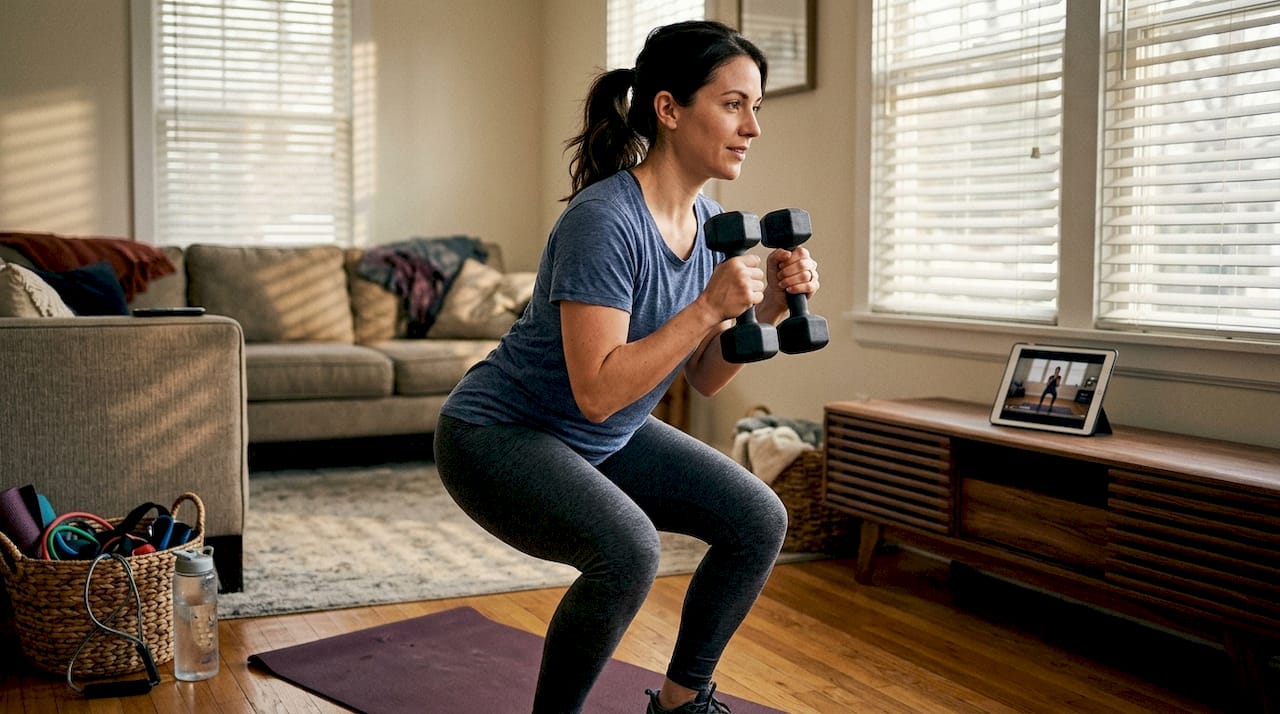
Strength training is the other half of the equation. Physical activity boosts body appreciation through psychological resilience, and targeted exercises like squats, hip thrusts, and Romanian deadlifts specifically develop the glute and hip muscles that create the curves most women are working toward.
| Day | Focus | Key foods | Calories (approx.) |
|---|---|---|---|
| Monday | Lower body strength | Greek yogurt, eggs, sweet potato | +400 |
| Tuesday | Rest or light walk | Avocado toast, nut butter smoothie | +300 |
| Wednesday | Upper body strength | Chicken, brown rice, olive oil | +400 |
| Thursday | Active recovery | Full-fat cottage cheese, fruit | +300 |
| Friday | Glute and hip focus | Salmon, quinoa, whole milk | +500 |
| Saturday | Full body circuit | Nuts, cheese, whole grain pasta | +400 |
| Sunday | Rest | Balanced meals, extra healthy fats | +300 |
Hormones matter too. Chronic stress raises cortisol, which disrupts the hormonal balance needed for healthy weight gain and can redirect fat storage away from hips and glutes. Prioritizing seven to nine hours of sleep and managing stress are not optional extras; they are core parts of the protocol.
Five-step protocol for nourishing and building curves safely:
- Calculate your maintenance calories, then add 300 to 500 on top.
- Eat protein at every meal, aiming for 0.7 to 1 gram per pound of body weight.
- Schedule three to four strength sessions per week with a lower body emphasis.
- Track sleep as seriously as you track food.
- Reassess every two weeks and adjust based on actual progress, not feelings.
Pro Tip: Eat a protein-rich snack (like Greek yogurt or a boiled egg) within 30 minutes after your glute and hip workouts. Muscle protein synthesis peaks in that window, and taking advantage of it speeds up the curve-building process noticeably.
For more detail, explore our guides on nutrition for body confidence, the benefits of weight gain for women, and our full appearance boost guide.
Celebrate progress and manage setbacks
As you put your plan into action, remember that the journey involves ups and downs, and broader social context shapes both.
Progress is rarely linear. You will have weeks where everything clicks and weeks where nothing does. The women who reach their goals are not the ones who never stumble; they are the ones who built systems for recognizing wins and bouncing back from setbacks.
Small wins deserve real recognition. Ate an extra 300 calories of quality food today? Win. Finished a workout when you did not feel like starting? Win. Said something kind to yourself in the mirror? Absolutely a win. These moments compound.
Social and cultural forces also shape how you feel about your body, sometimes in surprising ways. Research found that feminism reduces external weight bias but can simultaneously heighten internal awareness of body dissatisfaction. Movements that fight for body acceptance can also, unintentionally, make you more conscious of the very insecurities they aim to address. Knowing this helps you engage with those movements thoughtfully rather than expecting them to fix how you feel.
| Influence type | Examples | Effect on body image |
|---|---|---|
| External | Media, social comparison, comments | Can trigger dissatisfaction or inspiration |
| Internal | Self-talk, personal values, habits | Most controllable; biggest long-term impact |
| Cultural | Feminism, body positivity movements | Mixed; reduces bias but may increase awareness |
| Social | Friends, community, peer support | Highly protective when positive |
Resilience tactics that actually help during setbacks:
- Journal your wins weekly, not just your struggles. A written record of progress is powerful on hard days.
- Lean on peer support. Find one person who gets your goals and check in with them regularly.
- Reframe the setback. A missed workout is data, not failure. What got in the way, and how do you remove that barrier next time?
- Return to your why. Write down the real reason you are pursuing this journey and read it when motivation drops.
Our resources on how to empower your curves and build a wellness routine for women go deeper on sustainable habits.
A real-world perspective on body confidence breakthroughs
Here is what we have seen working with women across all body types and goals: the advice to “just love yourself” is well-meaning but incomplete. Love is an emotion, and emotions fluctuate. Building your confidence on a feeling is like building a house on sand.
What actually works is process. Women who make consistent, small efforts, who track what they eat, show up for their workouts, and practice self-talk even when it feels awkward, report far more lasting satisfaction than those chasing a specific body outcome. Even the most visible body confidence advocates face insecurity. The difference is they have learned to act despite it, not wait for it to disappear.
The internal work and the physical work are not separate tracks. They reinforce each other. When you nourish your body well, your self-talk improves. When your self-talk improves, you make better choices. That loop is where real breakthroughs happen, and it is available to you right now, not after you reach a goal weight.
Our body confidence guide reflects this exact philosophy: action first, feelings follow.
Ready to take the next step in your body confidence journey?
You now have the research, the mindset tools, and the physical strategies to start building real, lasting confidence. Seeking support is not a sign that you are behind; it is one of the smartest moves you can make on this journey.
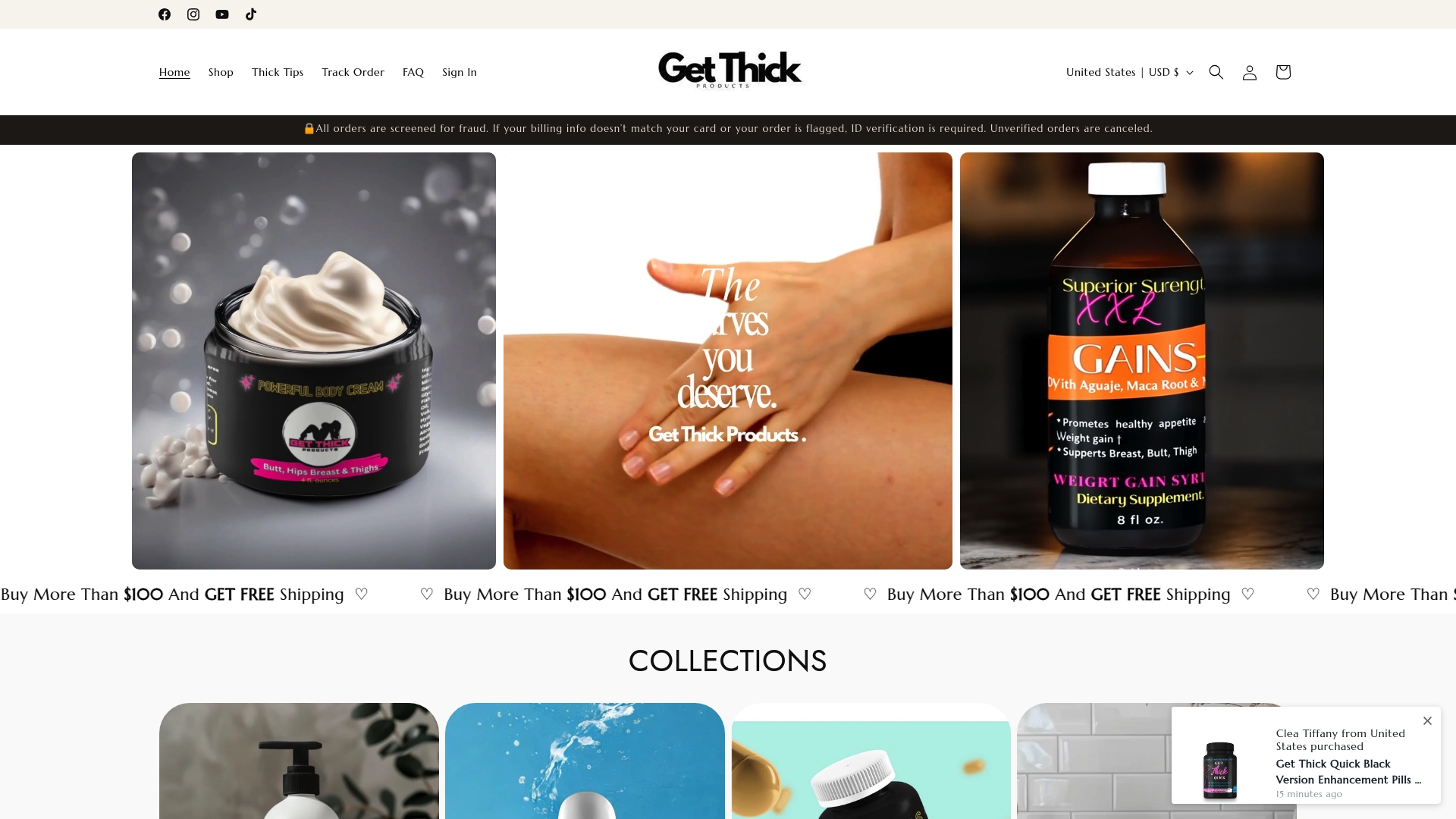
At Get Thick Products, we have built a full library of guides, wellness resources, and body enhancement products designed specifically for women who want to feel great in their curves. Whether you are just starting out or looking to level up your routine, our appearance boost guide is a great next read. You deserve support that meets you where you are and helps you move toward exactly where you want to be.
Frequently asked questions
What is the healthiest way for women to gain curves and weight?
Add a 300-500 calorie surplus daily through nutrient-dense foods and pair it with targeted strength training to gain 0.5 to 1 pound per week in a controlled, sustainable way.
Does body confidence come from changing my body or my mindset?
Mostly mindset. Confidence builds through self-trust actions aligned with your values, and physical changes reinforce that foundation rather than create it from scratch.
How does physical activity support body appreciation?
Strength training builds appreciation by improving psychological resilience and physically enhancing the curves and muscle tone that make you feel strong and capable in your body.
How can I stop comparing my body to others?
Practice gratitude for what your body does, limit social media scrolling, and track your own milestones. Body neutrality, predicted by gratitude and mindfulness, is a practical framework that reduces the urge to compare.