

TL;DR:
- Body neutrality emphasizes appreciating what your body does rather than how it looks.
- Consistent rituals like gratitude and mindful movement help foster lasting body confidence.
- Focusing on function over appearance reduces shame and builds sustainable self-acceptance.
Feeling uncomfortable in your own skin is one of the most common struggles women face, yet it rarely gets the honest conversation it deserves. You don’t need to wake up every morning bursting with self-love to build genuine body confidence. What you need are realistic, research-backed habits that actually fit your life. This guide blends the latest science with practical daily tools to help you shift how you see and feel about your body, without the pressure of forced positivity or overnight transformations. Whether you’re starting fresh or rebuilding after a rough patch, there’s a path forward that works for real women.
Table of Contents
- Understand what shapes your body positivity
- Prepare your mind and space: key rituals and tools
- Implement daily practices: step-by-step approach
- Track progress and troubleshoot common pitfalls
- A fresh take: why focusing on function beats forced positivity
- Ready for the next step in body confidence?
- Frequently asked questions
Key Takeaways
| Point | Details |
|---|---|
| Embrace functional appreciation | Focusing on what your body can do creates lasting confidence beyond appearance. |
| Start with simple rituals | Small daily habits like gratitude or self-care rituals build a positive body mindset over time. |
| Curate your influences | Choosing positive, diverse media and routines empowers sustained self-acceptance. |
| Progress is gradual | Body positivity develops over weeks to months with consistent practice, not overnight. |
Understand what shapes your body positivity
With an overview of what’s at stake, let’s clarify what body positivity really means and what drives it.
Body positivity and body neutrality are often used interchangeably, but they’re actually two different things. Body positivity is about actively appreciating and accepting your body, including its size, shape, and appearance. Body neutrality takes a quieter approach. It’s about recognizing what your body does rather than how it looks, without demanding that you feel good about it every single day.
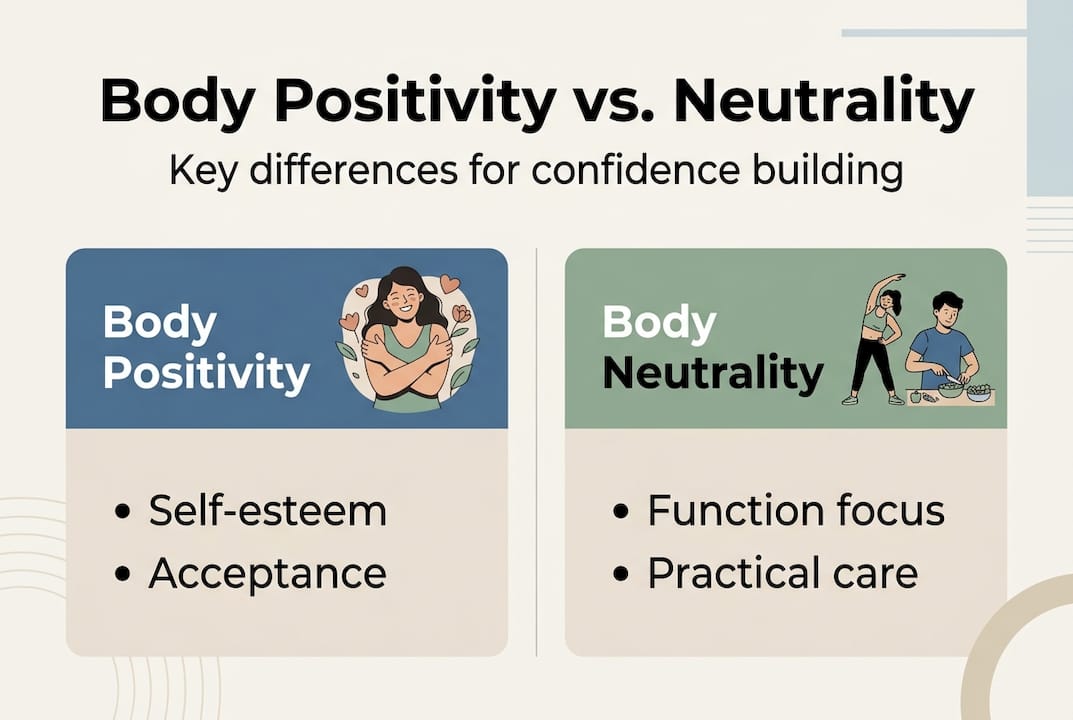
Research backs up this distinction in a meaningful way. Body positivity is predicted by self-esteem and body image (R²=0.41), while body neutrality draws from self-esteem, gratitude, and mindfulness (R²=0.30). These are genuinely separate psychological constructs, not just different words for the same idea.
So which one is right for you? That depends on your history and where you’re starting from. Body neutrality is often more accessible for women who have experienced trauma or a long history of negative body image. Neutrality removes the pressure to feel beautiful and replaces it with something quieter and more sustainable: simple appreciation for what your body makes possible.
Several factors shape how you experience your body image on any given day. Here are the most influential ones:
- Self-esteem: Your overall sense of self-worth directly influences how you see your body.
- Gratitude: Practicing gratitude, even for small things, builds a buffer against negative self-perception.
- Mindfulness: Staying present reduces the mental spiral of comparison and self-criticism.
- Social media: The accounts you follow shape your visual baseline for what bodies “should” look like.
- Cultural messaging: Advertising, entertainment, and social norms all quietly influence your internal standards.
- Self-talk: The words you use about yourself, even silently, reinforce or erode your body image over time.
Understanding body image challenges for women is the first step toward addressing them with real tools rather than wishful thinking. The body positivity benefits that come from this work extend beyond how you feel in the mirror. They touch your energy, your relationships, and your willingness to show up fully in your own life.
| Factor | Influences body positivity | Influences body neutrality |
|---|---|---|
| Self-esteem | Strong predictor | Strong predictor |
| Gratitude | Moderate | High |
| Mindfulness | Moderate | High |
| Social media | High | Moderate |
| Self-talk | High | Moderate |
Prepare your mind and space: key rituals and tools
Once you know the foundations, it’s time to prep your environment and mindset for genuine change.
The gap between knowing what helps and actually doing it is where most women get stuck. Rituals bridge that gap. A ritual is just a repeated action with intention behind it. Daily rituals like applying lotion with gratitude, deep breathing, and pausing before meals for self-compassion can quietly rewire how you relate to your body over time.
These don’t need to be elaborate. The simpler the ritual, the more likely you’ll actually do it.
- Morning body scan: Before getting out of bed, take 30 seconds to notice how your body feels, not how it looks.
- Lotion with intention: Apply body lotion slowly and with care, treating it as an act of appreciation rather than a chore.
- Affirmations tied to function: Instead of “I love my body,” try “My body carried me through today.” Function-based affirmations feel more honest for most women.
- Meal pause: Before eating, take one breath and acknowledge that you’re nourishing yourself.
- Evening wind-down: Reflect on one thing your body did well today, even if it’s just breathing through stress.
Body-positive wellness also includes the basics: stress reduction, quality sleep, hydration, and movement that feels good rather than punishing. These aren’t extras. They’re the foundation.
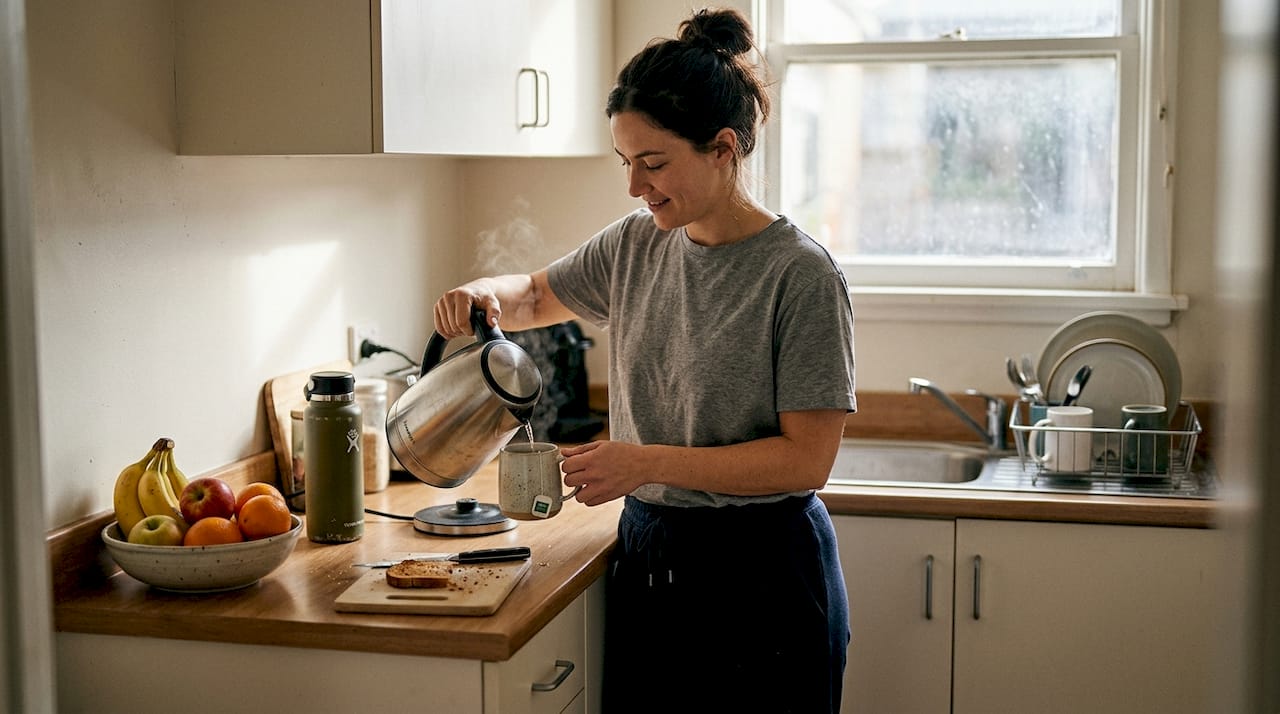
Your physical environment matters too. Wear clothes that fit and feel comfortable now, not clothes that are waiting for a future version of you. Put up one visual reminder, a quote, a photo, or even a sticky note, that reflects how you want to feel, not how you think you should look.
Pro Tip: Start with the ritual that feels least forced. If affirmations feel awkward, skip them for now and start with the lotion ritual. Consistency with one small habit builds more momentum than struggling through five habits you resent.
| Ritual | Ease | Impact |
|---|---|---|
| Lotion with gratitude | High | High |
| Morning body scan | High | Moderate |
| Function-based affirmations | Moderate | High |
| Meal pause | High | Moderate |
| Joyful movement | Moderate | High |
Explore wellness supplements for curves and women-focused nutrition as part of a broader self-care approach that supports how you feel from the inside out.
Implement daily practices: step-by-step approach
With your tools and mindset set, here’s how to bring positivity into your daily routine.
Consistency is what separates a good idea from an actual shift in how you feel. Here’s a practical daily structure that builds body confidence without overwhelming your schedule:
- Morning (5 minutes): Body scan, one function-based affirmation, drink a glass of water.
- Midday check-in: Notice your self-talk. If it’s harsh, redirect it. “My legs are tired” is more useful than “My legs look bad.”
- Movement break: Choose something you enjoy, a walk, stretching, dancing in your kitchen. Movement for joy feels completely different from movement for punishment.
- Social media audit (weekly): Unfollow or mute accounts that make you feel worse about yourself. Follow accounts that show diverse, real bodies.
- Evening ritual: Lotion with gratitude, one written line about what your body did today.
Pro Tip: Mute or unfollow negative influences before you feel triggered. Proactive curation is far more effective than reactive damage control after you’ve already spiraled.
The social media piece is bigger than most people realize. Body-positive social media content has been shown in meta-analysis to improve body satisfaction with sustained effects over time. This isn’t just feel-good advice. It’s measurable.
“Intentional routines and media choices can reinforce functional appreciation and body neutrality, creating a compounding effect on self-acceptance over time.”
Use a body positivity checklist to stay accountable, and pair it with a body confidence checklist for a fuller picture of your progress. Building a natural wellness routine for confidence doesn’t have to be complicated. It just has to be consistent.
Track progress and troubleshoot common pitfalls
Even with good habits, setbacks are normal. Here’s how to stay on track and recognize your wins.
Progress in body confidence doesn’t always look dramatic. Sometimes it’s quieter: you catch yourself mid-negative-thought and redirect it. You wear the outfit without second-guessing for an hour. You eat the meal without guilt. These are real wins.
Signs you’re making progress:
- You notice negative self-talk faster than you used to.
- You spend less mental energy on appearance-related anxiety.
- You make food and movement choices based on how they feel, not how they look.
- You feel more present in social situations.
- You reference your body’s function more than its appearance in conversation.
Common pitfalls that stall progress:
- Comparison: Scrolling past someone else’s body and using it as a measuring stick for your own.
- Perfectionism: Expecting every day to feel positive and treating a bad day as failure.
- Negative self-talk loops: Repeating harsh internal commentary so often it feels like truth.
- Isolation: Pulling back from social situations because of body discomfort, which reinforces shame.
- All-or-nothing thinking: Believing that if you can’t love your body fully, there’s no point in trying.
Sustained body satisfaction comes from flexibility-based interventions, not rigid perfection. That means giving yourself room to have hard days without letting them erase your progress.
When you hit a wall, go back to basics. One ritual. One kind thought. One nourishing meal. The natural weight gain guide at Get Thick Products is a useful resource if your journey involves intentional body changes alongside confidence building. Understanding body image edge cases can also help you recognize when professional support might be a helpful addition.
| Pitfall | Warning sign | Quick fix |
|---|---|---|
| Comparison | Feeling worse after scrolling | Mute or unfollow immediately |
| Perfectionism | Calling a hard day a failure | Reframe: one rough day is data, not identity |
| Negative self-talk | Harsh internal commentary | Redirect to function-based language |
| Isolation | Avoiding social events | Start small, one low-pressure outing |
A fresh take: why focusing on function beats forced positivity
Here’s something we’ve come to believe strongly at Get Thick Products: the pressure to love your body can actually make things worse for a lot of women. When you’re told you should feel beautiful and you don’t, that gap creates shame. And shame doesn’t build confidence. It erodes it.
That’s why we think function-focused thinking is genuinely more powerful for most women, especially those with a history of difficult body experiences. Body neutrality is a less pressuring and more sustainable mindset, particularly for women with trauma or disordered eating in their past. It doesn’t ask you to perform happiness about your appearance. It just asks you to notice what your body does and feel some quiet appreciation for that.
Your legs carried you up the stairs. Your hands made something today. Your lungs kept going through a stressful meeting. That’s worth something. And building from that foundation, rather than from an idealized image of self-love, tends to create more lasting change. Explore how nutrition and confidence connect as part of this function-first approach.
Ready for the next step in body confidence?
If you’re inspired to go further, here’s how you can access more actionable support.
Building body confidence is a layered process, and you don’t have to figure it out alone. At Get Thick Products, we’ve created a space specifically for women who want to feel great in their bodies through natural, wellness-focused tools and routines.
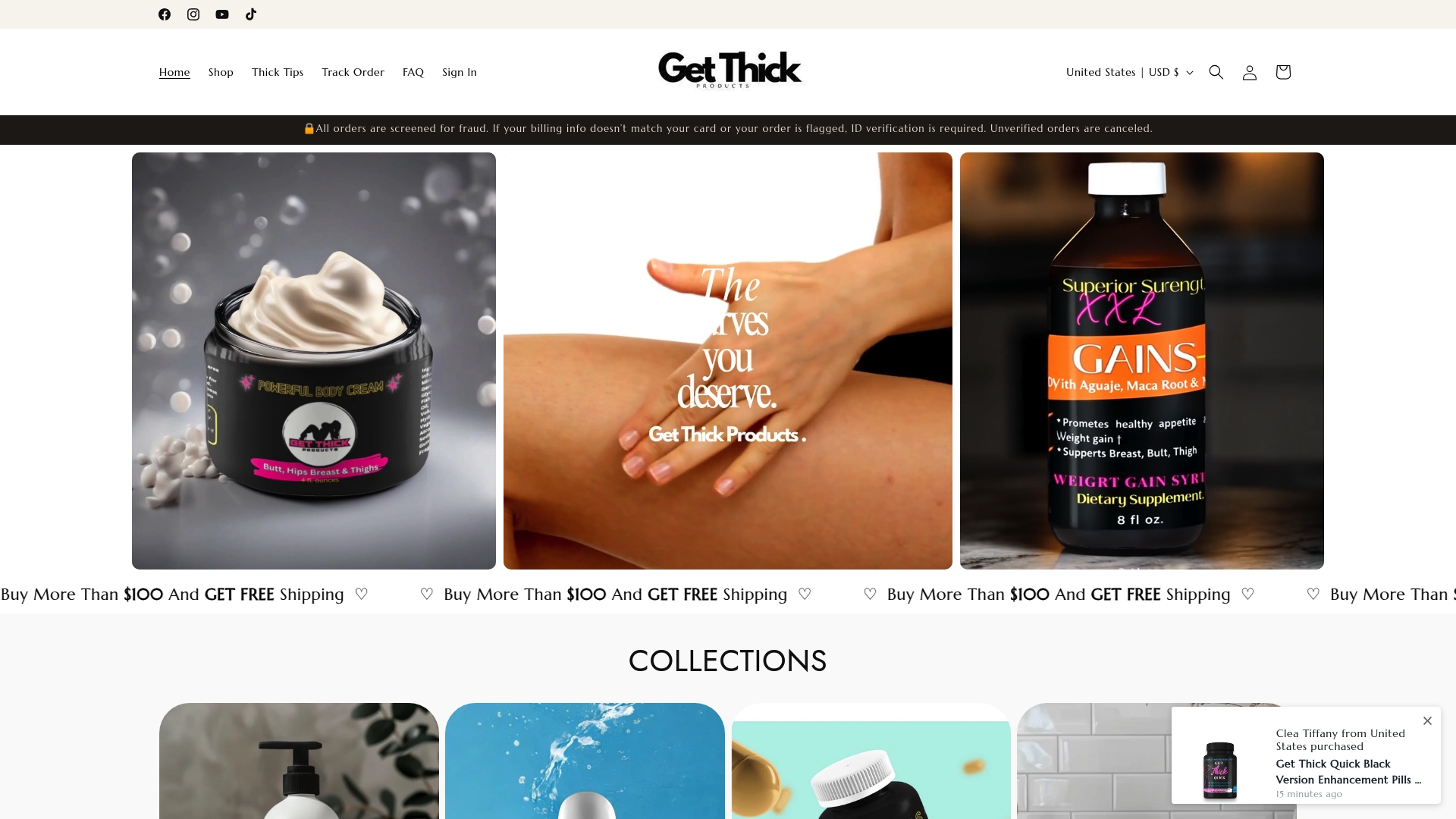
From body care rituals to dietary supplements designed to support healthy weight gain, our products are built to complement the mindset work you’re already doing. If you’re curious about the benefits of weight gain as part of your body confidence journey, we have resources that speak directly to that experience. Your next step doesn’t have to be big. It just has to be yours.
Frequently asked questions
What is the difference between body positivity and body neutrality?
Body positivity focuses on loving and accepting your body at any size, while body neutrality centers on appreciating what your body can do without demanding you feel good about its appearance every day. Body positivity focuses on acceptance, while neutrality centers on function.
How long does it take to boost body positivity?
Short-term improvements are possible with consistent positive habits and content exposure, but lasting change typically takes weeks to months of sustained effort. Short-term improvements appear after body-positive content exposure, with longer-term gains requiring ongoing practice.
What daily habits really help with body confidence?
Gratitude rituals, function-based affirmations, nourishing meals, and following diverse social media accounts each contribute meaningfully to body confidence. Functional appreciation and gratitude rituals have been shown to improve acceptance over time.
Is body positivity possible after negative experiences or bullying?
Absolutely. Positive messaging and body image flexibility can support healing and self-acceptance even after difficult experiences. Body-positive content can benefit women with a history of bullying or body-related trauma.
Are body-positive products or supplements effective?
Products alone don’t guarantee improved body image, but when paired with intentional self-care routines and positive habits, they can meaningfully support overall confidence and how you feel in your body day to day.