

TL;DR:
- Most people use body lotion reactively for dryness, overlooking its active role in supporting the skin barrier. Proper formulations with occlusives, humectants, and emollients strengthen the skin’s protective layer, reducing water loss and inflammation over time. Consistent application, especially within minutes after bathing, enhances hydration, barrier repair, and overall skin health at every life stage.
Most people reach for body lotion when their skin feels tight or flaky, then forget about it once the dryness clears up. That reactive habit undersells the role of body lotions completely. Your skin loses nearly a liter of water daily through a process called transepidermal water loss, and the right lotion doesn’t just soften the surface. It actively supports the barrier that keeps moisture in and irritants out. Understanding what lotion actually does at a structural level changes how you choose it, how you apply it, and how much difference it makes to your skin at every age.
Table of Contents
- Key takeaways
- The role of body lotions in skin barrier function
- Beyond hydration: the therapeutic benefits
- Choosing and using body lotion effectively
- Lotions vs. creams vs. ointments: what to use when
- My take on what most people get wrong about lotion
- Ready to take your body care seriously?
- FAQ
Key takeaways
| Point | Details |
|---|---|
| Lotions repair the skin barrier | Body lotions work beyond surface hydration by supporting the skin’s protective lipid structure. |
| Ingredient balance matters | Effective formulas combine humectants, emollients, and occlusives to retain moisture without pulling water out. |
| Timing changes everything | Applying lotion within 2-3 minutes of bathing significantly improves moisture retention and barrier repair. |
| Therapeutic benefits are real | Regular lotion use can reduce inflammatory skin conditions and lower reliance on topical medications. |
| Match product to life stage | Skin type, age, climate, and condition all determine which formula delivers the most benefit. |
The role of body lotions in skin barrier function
To appreciate what lotion does, you need to understand what the skin barrier actually is. The outermost layer of your skin, called the stratum corneum, works like a brick wall. Skin cells are the bricks, and a mixture of ceramides, cholesterol, and fatty acids acts as the mortar between them. When that mortar breaks down due to aging, harsh weather, or over-washing, water escapes and irritants get in.
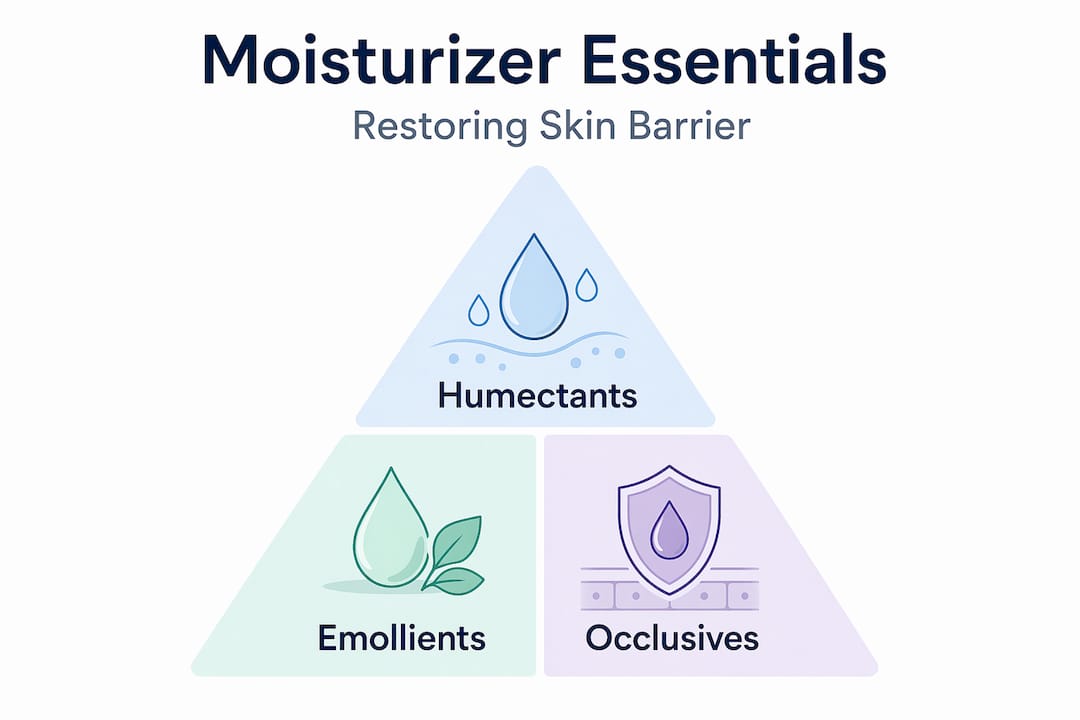
Here is where body lotions enter the picture. They deliver three types of active agents that each play a different role:
- Occlusives like petrolatum physically sit on the skin surface and block water from escaping. Petrolatum helps reduce moisture loss.
- Humectants like glycerin attract water molecules and draw them into the upper layers of the skin. Glycerin is used as a moisture-attracting ingredient.
- Emollients like fatty acids and plant oils fill the gaps between skin cells, smoothing texture and restoring a degree of structural flexibility.
The American Academy of Dermatology recommends choosing a moisturizer for your skin and applying it while skin is damp to help retain moisture. Creams have a higher oil content than lotions and gels and can be more hydrating.
The deeper issue with most “barrier repair” labels is equally worth knowing. Most barrier repair products only create a temporary seal and do not supply the ceramides, cholesterol, and fatty acids needed to actually rebuild the skin’s mortar layer. If your lotion doesn’t include those lipids in meaningful amounts, it manages symptoms without correcting the underlying problem.
Effective moisturizers combine these three ingredient classes strategically, restoring barrier function rather than just masking dryness. Knowing this distinction helps you shop smarter.
Beyond hydration: the therapeutic benefits
The benefits of topical body creams go well past softening skin. Consistent lotion use has a documented therapeutic dimension that most people never factor into their daily routine.

A 2026 observational study followed 54 children aged 6–12 with moderate atopic dermatitis. It compared fluticasone alone with fluticasone plus a specific moisturizing cream. Among the 29 combination-group participants who completed follow-up, all met the study’s defined clinical-response categories. This was a small, short-term study of a particular treatment combination—not proof that all lotions work equally, and not a test of Get Thick Products.
A moisturizer can help care for dry skin by retaining moisture. Choose a product suitable for your skin and follow the label directions. For persistent irritation or a diagnosed skin condition, ask a dermatologist about appropriate care.
Pro Tip: If you have sensitive or reactive skin, look for fragrance-free formulas with ceramides and fatty acids rather than just shea or cocoa butter. Both are emollients, but ceramide-rich formulas address the structural deficiency at the root of most reactive skin.
The appearance benefits are real, too. Regular moisturizer use supports skin elasticity, texture improvement, and a visible reduction in signs of aging over weeks of consistent application. This matters more at different life stages. Postpartum skin, aging skin, and skin experiencing hormonal shifts all show faster visible deterioration when moisturizing is skipped.
Here is a quick summary of the therapeutic benefits backed by evidence:
- Reduced frequency and severity of inflammatory flare-ups
- Improved skin texture and elasticity with consistent use
- Stronger barrier that limits allergen and irritant penetration
- Lower dependence on topical medications when used as adjunct therapy
- Visible improvement in skin tone and natural radiance over time
The science on why use topical body care has advanced well beyond aesthetics. Moisturizers have evolved from simple cosmetic products into therapeutic agents that actively participate in barrier repair and inflammation control.
Choosing and using body lotion effectively
Knowing the science only helps if you apply it. The best lotion for hydration is not the most expensive one. It is the one formulated for your specific skin type, applied at the right time, and used consistently.
Here is a practical framework for getting this right:
-
Match the formula to your skin type. Oily or acne-prone skin benefits from lightweight, water-based lotions with humectants like hyaluronic acid or glycerin. Dry or mature skin needs richer emollient formulas with ceramides and fatty acids. Sensitive skin calls for fragrance-free, minimal-ingredient products. Body lotion for dry skin specifically should include both occlusives and ceramides, not just shea butter.
-
Apply to damp skin within 2-3 minutes of bathing. This is the single most underused technique in daily skincare. Applying lotion to damp skin allows the lipids to integrate into the skin’s lipid matrix more effectively, locking in the residual water from your shower before it evaporates.
-
Use the right amount. More is not always better. A thin, even layer applied consistently outperforms thick, occasional applications. Overapplication of heavy occlusives can clog follicles on the back or chest.
-
Adjust for climate and season. In dry or cold climates, switch to a heavier cream or add an occlusive layer on top of your regular lotion. In humid environments, a lighter lotion with humectants may be sufficient and more comfortable for daily use.
-
Check for ingredients that counteract your goals. Some lotions contain alcohol as a carrier, which is drying. Others use heavy fragrances that irritate sensitive skin. Reading the ingredient list before purchasing saves a lot of frustration.
For persistent or severely dry patches, ask a dermatologist which moisturizer and routine suit your skin. Choose products based on their label and your skin’s needs rather than expecting a guaranteed healing time.
You can also explore layering body care products to get the most from each formula in your routine.
Lotions vs. creams vs. ointments: what to use when
Understanding the role of moisturizers in skincare means knowing that not all formulas are interchangeable. The format of a product determines how it performs on your skin.
| Product type | Water content | Occlusivity | Best for | Tradeoff |
|---|---|---|---|---|
| Lotion | High | Low to moderate | Daily use, normal to oily skin | Less therapeutic for severe dryness |
| Cream | Medium | Moderate to high | Dry to combination skin | Heavier feel, may not suit summer use |
| Ointment | Very low | Very high | Severely dry, cracked, or eczema skin | Greasy texture, low cosmetic appeal |
Lotions feel light and absorb quickly, which makes them ideal for daily use on the body, especially during warmer months or for people with oily skin. Their higher water content limits occlusivity, meaning they provide less of a physical barrier against water loss. For most people with normal to mildly dry skin, that tradeoff is perfectly acceptable.
Creams hit a useful middle ground. They deliver more emollients and occlusives than lotions while remaining spreadable and comfortable. People managing dry skin year-round or those in colder climates tend to get better results from a cream format.
Ointments are the most therapeutically potent format but also the hardest to wear comfortably. The extremely high occlusive content makes them the go-to choice for cracked heels, severely compromised barrier skin, or areas affected by chronic eczema. The greasiness is a known drawback, but no lighter format comes close to their effectiveness in those specific situations.
The takeaway: choosing a format based on texture preference alone leaves results on the table. Match the format to the severity of the skin concern, and switch formats seasonally when your skin’s needs change.
My take on what most people get wrong about lotion
Consistency can make body care easier to maintain. Choose a moisturizer that suits your skin and build a routine you enjoy returning to.
The right moisturizer and application routine depend on your skin and the product. Follow the label and keep your routine manageable; persistent skin concerns deserve individual advice.
The other thing I keep coming back to is the ingredient gap. Most people have never checked whether their lotion actually contains ceramides, fatty acids, and cholesterol together. Without all three, you are not rebuilding the skin’s mortar, you are just coating it. That distinction matters, and the science of cosmetic body products backs this up clearly.
My opinion is that viewing lotion as optional is the root of the problem. Your skin is working constantly to maintain its structure. Every shower, every season change, every year of aging chips away at barrier integrity. Lotion is not a luxury for when your skin gets bad. It is maintenance that keeps it from getting there.
— Nakeisha
Ready to take your body care seriously?
If you have made it this far, you already understand that skin hydration is more than a texture preference. It is an ongoing physiological process that deserves the right support.
At Getthickproducts, the focus has always been on formulations that do more than sit on the surface. Whether you are looking to support your skin’s natural barrier, explore enhancement creams, or find body care products designed with women’s confidence in mind, the range reflects a genuine understanding of what skin actually needs. From the top lotions for women to full body care guidance, there is something specific for every stage and goal. You can also browse the full collection at Getthickproducts and find a product matched to the science you now understand.
FAQ
What does body lotion actually do for your skin?
Body lotion works by reducing transepidermal water loss, delivering moisture to the skin surface, and supporting the skin barrier through occlusive, humectant, and emollient ingredients. With consistent use, it also improves texture, elasticity, and reduces vulnerability to inflammatory flare-ups.
When is the best time to apply body lotion?
Apply lotion within 2-3 minutes of bathing while skin is still slightly damp. This locks in residual moisture and allows the lotion’s lipids to integrate more effectively into the skin’s barrier layer.
Is body lotion different from a cream or ointment?
Yes. Lotions have higher water content and absorb quickly, making them suitable for daily use on normal to mildly dry skin. Creams are richer and better for dry skin, while ointments are the most occlusive format and best reserved for severely compromised or cracked skin.
Can body lotion help with conditions like eczema?
Research shows that using a quality moisturizer alongside prescribed treatments significantly improves outcomes for inflammatory conditions like atopic dermatitis, including longer remission periods and lower recurrence rates compared to medication alone.
How do I know if my body lotion is actually repairing my skin barrier?
Look for formulas that contain ceramides, cholesterol, and fatty acids together. Products that rely only on a single occlusive like petroleum jelly or shea butter may moisturize temporarily but won’t supply the structural lipids needed for genuine barrier repair.