

TL;DR:
- Non-medical beauty involves surface-level cosmetic services provided by estheticians without medical supervision, focusing on enhancing appearance and confidence. It differs from medical aesthetic procedures that treat health conditions and require licensed medical professionals, often carrying higher risks. Recognizing these distinctions helps women set realistic expectations and build safe, effective self-care routines.
Walk into any spa or beauty salon and you’ll hear terms thrown around that blur the line between a relaxing facial and a clinical procedure. Many women assume that if a service changes how they look, it must be doing something medical to their body. That assumption creates unnecessary confusion and, honestly, keeps a lot of women from exploring beauty routines that could genuinely support their confidence and wellness. Understanding what non-medical beauty actually is, how it differs from medical aesthetics, and how to use it smartly will help you build a self-care routine that works for you.
Table of Contents
- What is non-medical beauty?
- Non-medical vs. medical beauty: Main differences
- Popular non-medical beauty and wellness services
- The wellness connection: Beyond the surface
- Safety, expectations, and common pitfalls
- Rethinking non-medical beauty: What women deserve to know
- Explore body confidence products and support
- Frequently asked questions
Key Takeaways
| Point | Details |
|---|---|
| Non-medical beauty defined | These are low-risk cosmetic services and products that enhance your appearance without medical intervention. |
| Key differences matter | Understanding non-medical vs. medical beauty empowers you to make confident choices for self-care and wellness. |
| Focus on confidence | Non-medical beauty routines support body positivity and self-esteem, even if they don’t create permanent physical changes. |
| Safety and expectations | Smart choices and realistic expectations keep non-medical beauty safe and satisfying for your routine. |
What is non-medical beauty?
Let’s start by breaking down what “non-medical beauty” actually means and why this distinction matters for every woman building her wellness routine.
Non-medical beauty refers to services and products focused on non-invasive cosmetic enhancement, typically delivered by estheticians or beauticians without requiring medical supervision. These services and products aim to improve how you look and feel on the surface, without altering your physiology or treating any health condition. Think facials, waxing, eyebrow shaping, body scrubs, basic skin treatments, and beauty supplements marketed for appearance support.
“Non-medical beauty is about visible enhancement and self-care — it’s the art of helping people look and feel their best without crossing into clinical territory.”
What makes non-medical beauty powerful is precisely what it doesn’t claim to do. It doesn’t promise to cure acne at a hormonal level, fix metabolic issues, or restructure your anatomy. Instead, it focuses on surface-level results: smoother skin, a more polished appearance, and the real confidence boost that comes with caring for your body.
Here’s what typically falls under non-medical beauty:
- Facials and professional skin cleansing
- Waxing and hair removal (non-laser, non-medical)
- Eyebrow and lash shaping, tinting, and extensions
- Body scrubs, wraps, and exfoliation treatments
- Microdermabrasion (surface-level resurfacing)
- Cosmetic products including creams, serums, and topical enhancers
- Dietary beauty supplements marketed for appearance support
Incorporating thoughtful body enhancement rituals into your non-medical beauty routine can create a consistent, feel-good practice that genuinely improves how you carry yourself every day.
Non-medical vs. medical beauty: Main differences
Now that you understand what non-medical beauty is, let’s see how it stands apart from medical approaches so you can make smarter, more confident decisions.
The biggest separator between the two worlds is regulatory and clinical responsibility. Non-medical aesthetics focus on appearance, not disease, and are not supervised by a licensed doctor. Medical aesthetics, by contrast, involve prescription treatments, injections, lasers requiring medical clearance, and procedures that interact directly with living tissue at a physiological level.
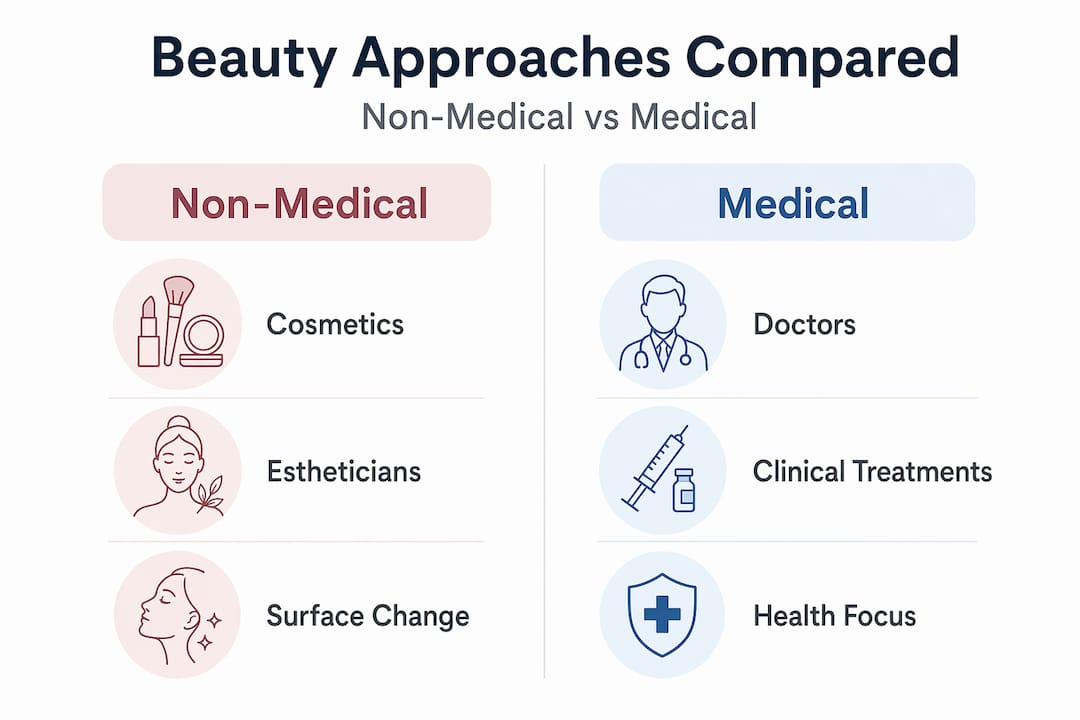
| Feature | Non-medical beauty | Medical beauty / aesthetics |
|---|---|---|
| Provider | Esthetician, beautician, cosmetologist | Dermatologist, plastic surgeon, nurse injector |
| Supervision required | No medical license needed | Doctor or regulated medical professional |
| Typical services | Facials, waxing, body scrubs, topical creams | Botox, fillers, laser resurfacing, surgery |
| Primary intent | Appearance enhancement | Treat, correct, or alter physiology |
| Regulation level | Cosmetic/beauty regulation | Medical regulation and FDA oversight |
| Risk level | Generally low | Moderate to high depending on procedure |
| Results | Surface-level, temporary to semi-permanent | Deeper, longer-lasting, physiological |
Cosmetics are for beautifying or altering appearance, not for treating disease. This is a foundational legal and regulatory distinction. A moisturizer that makes your skin look dewy and radiant is a cosmetic. A prescription retinoid that actively changes how skin cells behave is a drug. Understanding this difference means you can shop, book services, and set your expectations with clarity.
Pro Tip: If a beauty product or service claims to treat, cure, or fix a medical condition, it’s stepping into medical territory. Non-medical beauty should focus on how you look and feel, not on treating biological causes.
Building your confidence-boosting beauty guide starts with knowing which category of service you’re choosing. That knowledge removes the guesswork and lets you enjoy your self-care routine without confusion.
Popular non-medical beauty and wellness services
Understanding the scope of non-medical beauty will help you spot the services and products that fit your routine and your goals.
The world of non-medical beauty is genuinely wide. It includes far more than a basic facial or a wax appointment. Here’s a more complete look at what’s available:
- Skin care services: Facials, chemical peels (superficial, non-prescription), microdermabrasion, LED light therapy for skin tone
- Body care: Body wraps, dry brushing, exfoliating scrubs, hydrating treatments
- Hair removal: Waxing, threading, sugaring, tinting
- Brow and lash services: Microblading for cosmetic purposes, lash lifts, brow lamination
- Massage and relaxation: Aromatherapy massage, lymphatic drainage massage for comfort and circulation
- Beauty supplements: Supplements marketed to support skin appearance, hair quality, or body confidence
- Topical enhancement products: Creams and serums designed to support the appearance of skin tone, texture, and curves
| Service category | Primary benefit | Result duration |
|---|---|---|
| Facials | Skin clarity, glow, hydration | Days to weeks |
| Body scrubs and wraps | Smoothness, tone, relaxation | Days |
| Waxing and threading | Hair-free skin | 3 to 6 weeks |
| Enhancement creams | Appearance of fullness, skin comfort | While used consistently |
| Massage therapy | Relaxation, circulation support | Immediate and ongoing |
| Beauty supplements | Skin and body appearance support | Ongoing with consistent use |
Facials, waxing, lash and brow shaping, and basic skin treatments are the backbone of non-medical beauty services. They’re accessible, generally low-risk, and can be woven into a regular wellness schedule without disrupting your life.
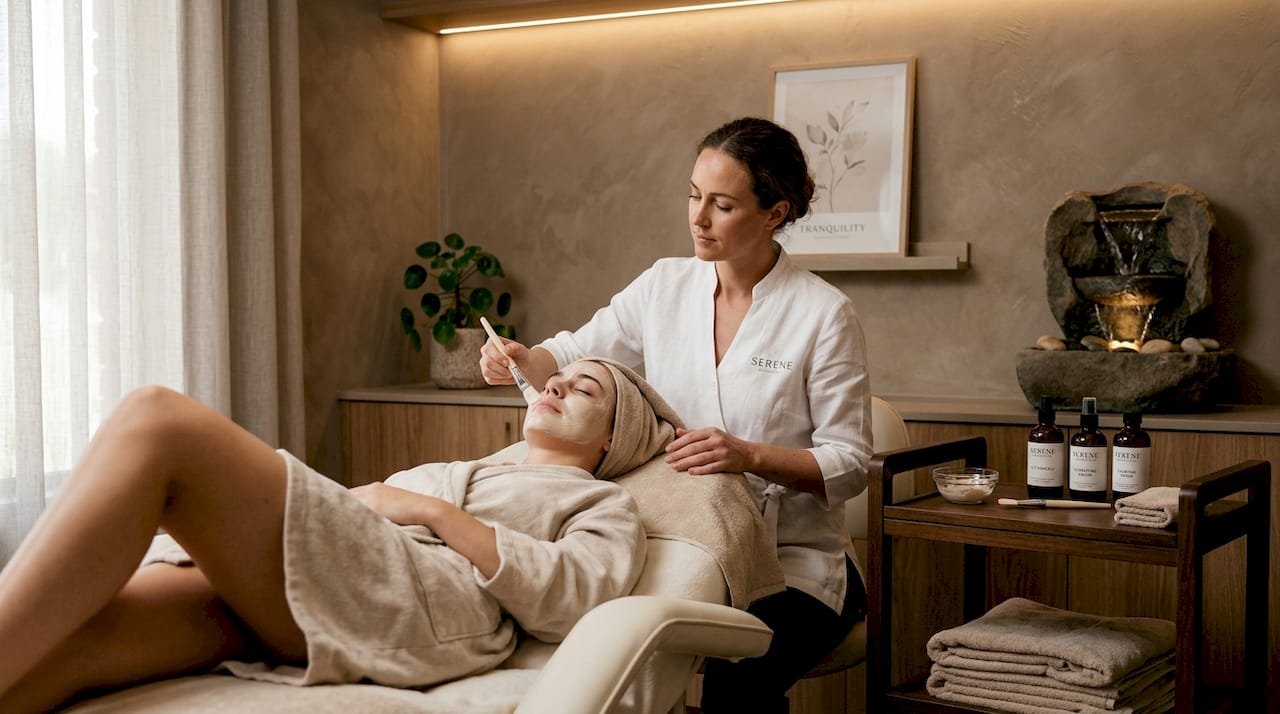
One area that often causes confusion is non-medical body contouring. Services like ultrasonic cavitation or radio-frequency skin tightening are frequently marketed in non-medical spa settings. It’s worth noting that non-medical body contouring is marketed as confidence-boosting, often without affecting body weight or addressing underlying biological causes. These services are about the appearance of shape, not about changing how your body functions metabolically.
Using a thoughtful body care checklist can help you identify which services belong in your regular rotation. Pairing those services with a consistent wellness routine for women builds the kind of momentum that makes self-care sustainable and genuinely rewarding. For women leaning into body positivity, exploring body positivity routines can also add an empowering layer to your practice.
The wellness connection: Beyond the surface
Beauty isn’t only about what you see in the mirror. Here’s how it connects with how you feel and function every day.
The most exciting shift in the beauty world right now is that wellness and beauty are no longer separate conversations. Wellness has become part of beauty, reframing it as visible internal health and balance. What you eat, how you sleep, how you manage stress, and how you treat your body all show up on your skin, in your posture, and in the way you carry yourself.
This means your non-medical beauty routine isn’t just about the products you apply or the appointments you book. It’s about creating a full lifestyle practice that supports how you look and how you feel.
Some key ways the wellness-beauty connection plays out in practice:
- Hydration and nutrition influence skin quality and body shape in ways no single product can fully replace
- Sleep consistency affects under-eye appearance, skin clarity, and overall vitality
- Stress management through massage, aromatherapy, or mindful body care directly supports how you look
- Consistent use of body enhancement products works best alongside a stable wellness foundation
- Body confidence grows when your routine addresses both your external appearance and your internal sense of wellbeing
For women interested in natural body enhancement and weight gain support, this connection is especially meaningful. Supplements and topical products are most effective when they’re part of a broader routine that includes adequate nutrition, rest, and genuine self-care. The goal is harmony: looking the way you want to look because you’re taking care of yourself from multiple angles.
Taking practical body positivity steps is one of the most direct ways to build that harmony. Confidence doesn’t come from one product or one appointment. It grows from a consistent, layered approach to caring for your whole self.
Safety, expectations, and common pitfalls
Equipped with the essentials, let’s finish by tackling how to pursue non-medical beauty safely and smartly, so you get the most from every product and service.
The single biggest mistake women make in the non-medical beauty space is expecting medical-level results from cosmetic-level services. A beautifully performed facial will leave your skin glowing, but it won’t cure cystic acne caused by hormonal imbalance. A body enhancement cream will support the appearance of curves, but it won’t change your bone structure. That distinction isn’t a criticism of non-medical beauty. It’s actually freeing because it means you can enjoy these services and products for exactly what they are.
“When we blur the lines between cosmetic enhancement and medical treatment, we set ourselves up for disappointment. Non-medical beauty is genuinely valuable when you approach it with the right expectations.”
Hairline microblading for cosmetic purposes is a strong example of this. It’s a non-medical service that can dramatically improve the appearance of a thinning hairline. But it doesn’t treat the underlying cause of hair loss. Expecting it to do so leads to frustration, while approaching it as a confidence-boosting cosmetic tool leads to real satisfaction.
Here are five practical steps to use non-medical beauty safely and wisely:
- Verify credentials. Make sure your esthetician or beauty professional is licensed for their specific services in your state. Non-medical doesn’t mean unregulated.
- Set realistic expectations. Ask your provider clearly what the service will and will not do. A good professional will always be honest about limits.
- Patch test new products. Even cosmetic-grade ingredients can cause reactions. Always test on a small area before committing to full use.
- Avoid over-promising products. If a product claims to treat a medical condition, it’s either a drug (requiring regulation) or it’s making misleading claims. Look for honest, appearance-focused language.
- Prioritize comfort. Any service that causes significant pain, bruising, or prolonged discomfort beyond normal sensitivity deserves a second look.
Pro Tip: Keep a simple beauty journal to track which products and services genuinely improve how you look and feel over time. This makes it easy to invest wisely and drop what’s not working.
Building body confidence habits around these principles gives you a beauty routine that’s not only effective but also sustainable. Using a body confidence checklist is a great way to stay grounded and intentional as you explore new services and products.
Rethinking non-medical beauty: What women deserve to know
The beauty industry loves to blur lines. Dramatic before-and-after photos, clinical-sounding ingredient names, and bold marketing claims create a fog that makes it genuinely hard to know what you’re choosing. Women deserve better than that.
Here’s the truth we’ve seen play out consistently: surface-level improvement is real, meaningful, and valuable on its own terms. You don’t need a non-medical facial to “actually” do what Botox does. A good facial should do exactly what a good facial does, and that’s plenty. The problem isn’t that non-medical beauty has limits. The problem is when the industry pretends those limits don’t exist.
Body confidence doesn’t come from chasing a medical result with a cosmetic tool. It comes from understanding your options clearly, choosing services and products that fit your real goals, and building a relationship with your own body that isn’t dependent on transformation. When you know what a product is actually designed to do and you choose it intentionally, every use becomes an act of self-respect rather than a gamble on false promises.
We also believe strongly that the wellness-beauty connection is the most underused asset most women have. Your skin, your curves, your energy, and your confidence are all connected to how you live day to day. The best self-care transformation tips aren’t just about what you put on your body. They’re about how you treat yourself as a whole person.
Non-medical beauty, done with intention and honest expectations, is one of the most empowering self-care practices available. Own it clearly, enjoy it fully, and let it be exactly what it is.
Explore body confidence products and support
Ready to apply what you’ve learned? Here’s your next step for empowered beauty and confidence.
Understanding the difference between non-medical and medical beauty means you can now choose products and services that genuinely serve your goals. If you’re looking to support your curves, enhance your body’s natural shape, and build a consistent wellness routine grounded in body positivity, we’ve got exactly what you need.
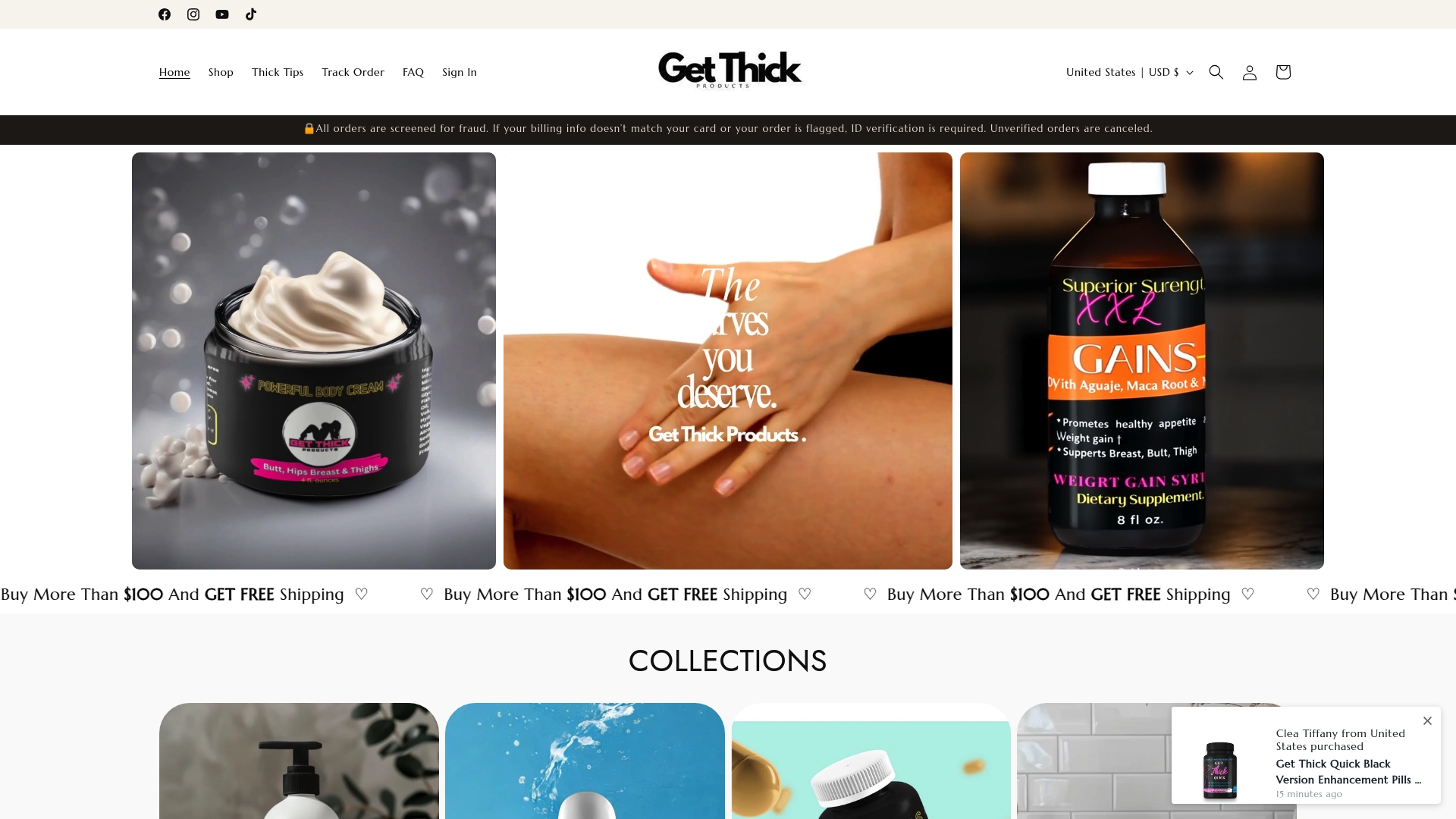
At Get Thick Products, we offer topical enhancement creams, body care products, and dietary supplements designed to support healthy weight gain and confident curves. Every product is crafted with appearance enhancement and self-care in mind, not medical claims. Browse our full collection, explore our wellness blog for routine inspiration, and take the next step in your body confidence journey with products that are honest, effective, and built for women like you.
Frequently asked questions
Are non-medical beauty treatments safe for sensitive skin?
Most non-medical treatments are minimally invasive, but you should always check with your provider and test products on a small area first. Non-medical beauty is generally low risk and handled by trained estheticians for surface-level results.
Can non-medical beauty products help with weight gain?
Non-medical beauty focuses on enhancing appearance, not changing body weight or treating underlying causes. Non-medical body contouring is designed for shape appearance, not weight change or biological modification.
How do I know if a service is non-medical?
If the service doesn’t require a medical license, doctor supervision, or claim to treat disease, it’s typically non-medical. Regulatory and clinical responsibility are the key markers that separate non-medical from medical aesthetics.
Is non-medical beauty only about short-term results?
Many non-medical beauty routines offer ongoing benefits to confidence and self-care, even if individual results are temporary. Consistency is what turns a single treatment into a lasting sense of wellbeing.
Do non-medical beauty products require FDA approval?
Cosmetic products are regulated for safety and labeling but don’t require FDA approval unless they claim to treat diseases. Cosmetics are for appearance, and the FDA classifies therapeutic products under a separate, stricter framework.