

TL;DR:
- Women’s health needs are distinct, including hormonal cycles and conditions like PCOS and menopause.
- Personalized wellness builds confidence by supporting body image, strength, and hormonal awareness.
- Holistic pillars like movement, nutrition, stress management, and sleep are essential for lasting wellness.
Most people assume that mainstream health advice works equally well for everyone. It doesn’t. Women report significantly lower health-related quality of life than men across both physical and mental domains, often because research, diagnoses, and treatment plans were built around male biology. For women who want to feel confident, build curves, and take charge of their health, that gap matters. This article breaks down what women’s wellness actually involves, why it fuels confidence and empowerment, and how to put it into daily practice in ways that feel good for your body and your life.
Table of Contents
- Understanding women’s unique wellness needs
- How wellness empowers and transforms confidence
- Practical pillars of women’s wellness: What works and why
- Applying wellness for natural weight gain, curves, and body positivity
- Why most advice on women’s wellness falls short
- Next steps: Explore women-focused wellness solutions
- Frequently asked questions
Key Takeaways
| Point | Details |
|---|---|
| Women’s health is unique | Approaches must fit distinct needs from reproductive health to mental well-being. |
| Confidence comes from wellness | Empowerment and body positivity flow from women-focused wellness. |
| Holistic routines work best | Movement, nutrition, stress management, and sleep together deliver lasting results. |
| Regular care is essential | Screenings and preventive care support ongoing wellness and confidence. |
| Personalization drives success | Tailored routines help women achieve natural weight gain, body positivity, and curves. |
Understanding women’s unique wellness needs
Generic wellness programs treat the female body like a smaller version of the male body. That’s a mistake. Women experience distinct biological health needs, including reproductive health cycles, hormonal fluctuations across the lifespan, and conditions like PCOS, endometriosis, and menopause that have no male equivalent. Each of these affects energy, weight, mood, metabolism, and even how pain is perceived.
Women’s unique needs include:
- Reproductive health: Monthly hormonal shifts affect appetite, energy, and emotional wellbeing throughout the cycle.
- Hormonal transitions: Puberty, pregnancy, perimenopause, and menopause each reshape how the body responds to food, exercise, and stress.
- Specific conditions: PCOS affects up to 10% of women of reproductive age, often going undiagnosed for years. Endometriosis is similarly underrecognized and undertreated.
- Mental wellness: Women are twice as likely as men to experience anxiety and depression, partly due to hormonal influences and partly due to social and environmental pressures.
- Bone health: Women are at significantly higher risk for osteoporosis, especially after menopause, making strength training and calcium-rich nutrition non-negotiable over time.
The data on this is uncomfortable. Women report lower quality of life outcomes in both physical and mental health categories compared to men, and much of this traces directly back to decades of male-centric research. Heart attacks in women, for example, often present with entirely different symptoms than the “classic” chest-clutching you see in movies. Women get misdiagnosed or dismissed as anxious far more often than men with the same symptoms.
“When women’s health is treated as a specialty topic rather than a foundational focus, the entire healthcare system underserves half its population.”
This is exactly why targeted wellness, built around women’s bodies and women’s lives, is not a luxury. It’s a necessity. Tailored women-focused nutrition tips and body-focused supplements exist because a one-size approach simply fails too many women.
How wellness empowers and transforms confidence
Wellness is not just about being healthy. It is about what that health makes possible in your life. When women actively address their unique wellness needs, the ripple effects go way beyond the physical. Women’s wellness improves empowerment, workforce participation, leadership, education continuity, and creates broader societal benefits including stronger families and healthier communities.
Think about what it means to feel physically good in your body. You show up differently at work. You set clearer boundaries. You take up space without apology. That’s not motivational fluff. That’s the documented outcome of women investing in their own wellness.
Here’s how women-focused wellness stacks up against generic approaches:
| Feature | Women-focused wellness | Generic wellness |
|---|---|---|
| Hormonal awareness | Yes, cycle-integrated | Rarely considered |
| Body image support | Central to the approach | Often overlooked |
| Nutrition guidance | Tailored to female metabolism | One-size-fits-all |
| Strength training focus | Curves and bone density | General fitness |
| Mental health integration | Built in | Treated separately |
| Product recommendations | Women-specific | Gender neutral |
The contrast is stark. Generic programs often focus on weight loss as the primary goal, which actively harms women who want to build curves, gain healthy weight, or simply feel stronger and more comfortable in their skin. Women-focused wellness reframes the goal around how you feel, how you function, and how confidently you move through the world.
Key ways targeted wellness builds confidence:
- Supports a positive body image by celebrating what your body can do and how it looks to you
- Reduces the psychological toll of comparing yourself to one-size standards
- Builds physical strength that translates into mental resilience
- Creates routines that honor your energy across different phases of your cycle
- Opens the door to body-affirming products and practices that reinforce self-care
Pro Tip: Start tracking your energy, mood, and appetite across your monthly cycle for at least 60 days. You’ll start to see patterns that make it much easier to time your workouts, nutrition, and rest for maximum results.
For a deeper dive into practical strategies, the confidence and curves guide breaks down how to build a routine around your body’s natural rhythms. And if you want to understand the science of self-image and wellness, exploring the body positivity benefits of a personalized approach is a great next step.
Practical pillars of women’s wellness: What works and why
Knowing what to do is much less useful without knowing how to do it. A holistic lifespan approach to women’s wellness rests on four foundational pillars: movement, nutrition, stress management, and sleep. Each one interacts with the others, and neglecting even one can undermine the whole system.
Here is how each pillar works in practice:
-
Movement: Strength training is particularly important for women because it preserves muscle mass and supports a healthy metabolism across hormonal transitions. You don’t need to live in a gym. Three focused strength sessions per week, combined with daily walks, can meaningfully change how you feel and look. Resistance training also increases bone density, which becomes critical after 35.
-
Nutrition: Women’s caloric and micronutrient needs shift across life stages. Iron, folate, calcium, and vitamin D are especially important. If your goal is building curves and supporting healthy weight gain, prioritizing calorie-dense, nutrient-rich foods like avocados, eggs, legumes, whole grains, and healthy fats is key. Undereating is just as disruptive to wellness as poor food quality.
-
Stress management: Chronic stress elevates cortisol, which disrupts hormonal balance, affects weight distribution, and suppresses immune function. Practical stress management doesn’t have to mean meditation (though that works for many women). It can mean setting firmer boundaries, reducing screen time before bed, building in unstructured time, or journaling for 10 minutes a day.
-
Sleep: Poor sleep throws off hunger hormones, increases cravings for low-quality foods, and makes it harder to recover from workouts. Women especially feel the cognitive and emotional effects of sleep deprivation. Seven to nine hours of consistent sleep is not indulgent. It is essential to every other wellness goal you have.
Preventive care benchmarks for women:
| Health metric | Current rate |
|---|---|
| Women 21-64 with Pap smear in past 2 years | Screening needs vary; ask your healthcare provider |
| Women with ongoing conditions needing monitoring | Discuss your individual healthcare needs |
| Women with a regular healthcare provider | Plan ongoing care around your needs |
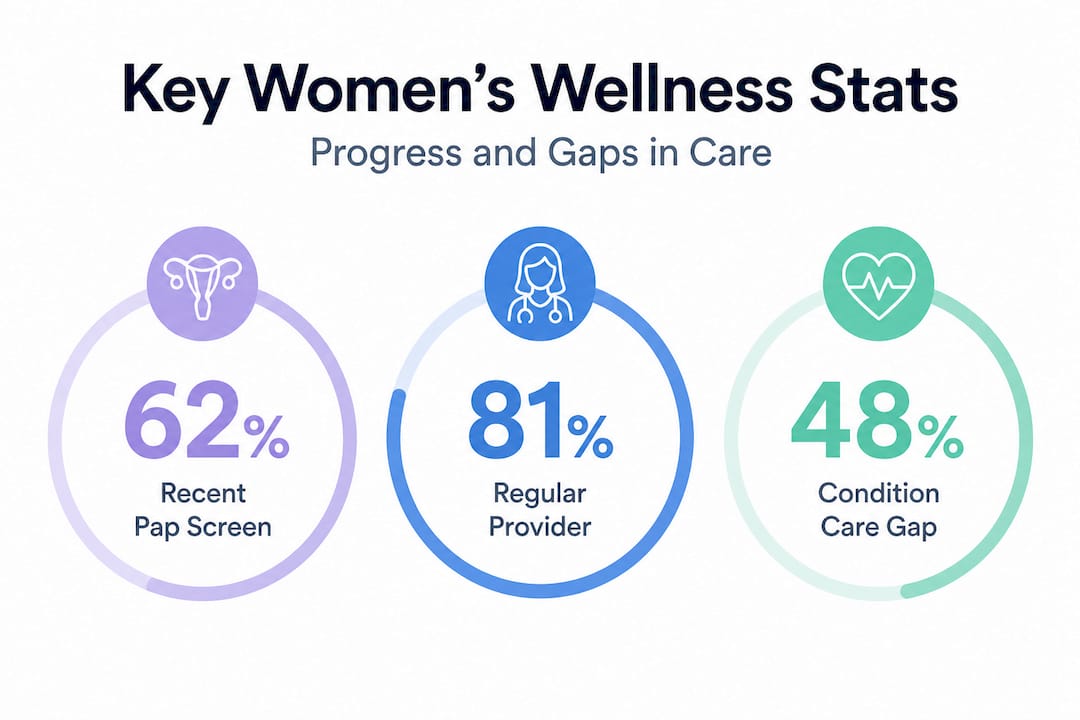
These numbers reveal both progress and gaps. The fact that nearly half of women with ongoing conditions aren’t getting consistent monitoring is a reminder that wellness can’t be passive. You have to actively build it.
Pro Tip: Use a wellness checklist to make these pillars automatic rather than aspirational. A written routine is far more likely to become a lasting habit than a mental note.
For practical tools, a natural wellness routine can help you structure these pillars week by week. You can also explore wellness supplements for women to understand how targeted support fits alongside food and exercise, and check out the wellness checklist for women to keep your routine on track.
Applying wellness for natural weight gain, curves, and body positivity
This is where everything becomes personal. Many women arrive at wellness conversations from a weight loss angle because that’s what the industry has drilled into them for decades. But weight gain, specifically the kind that builds curves, supports femininity, and helps women feel more at home in their bodies, is an equally valid and often underserved goal.
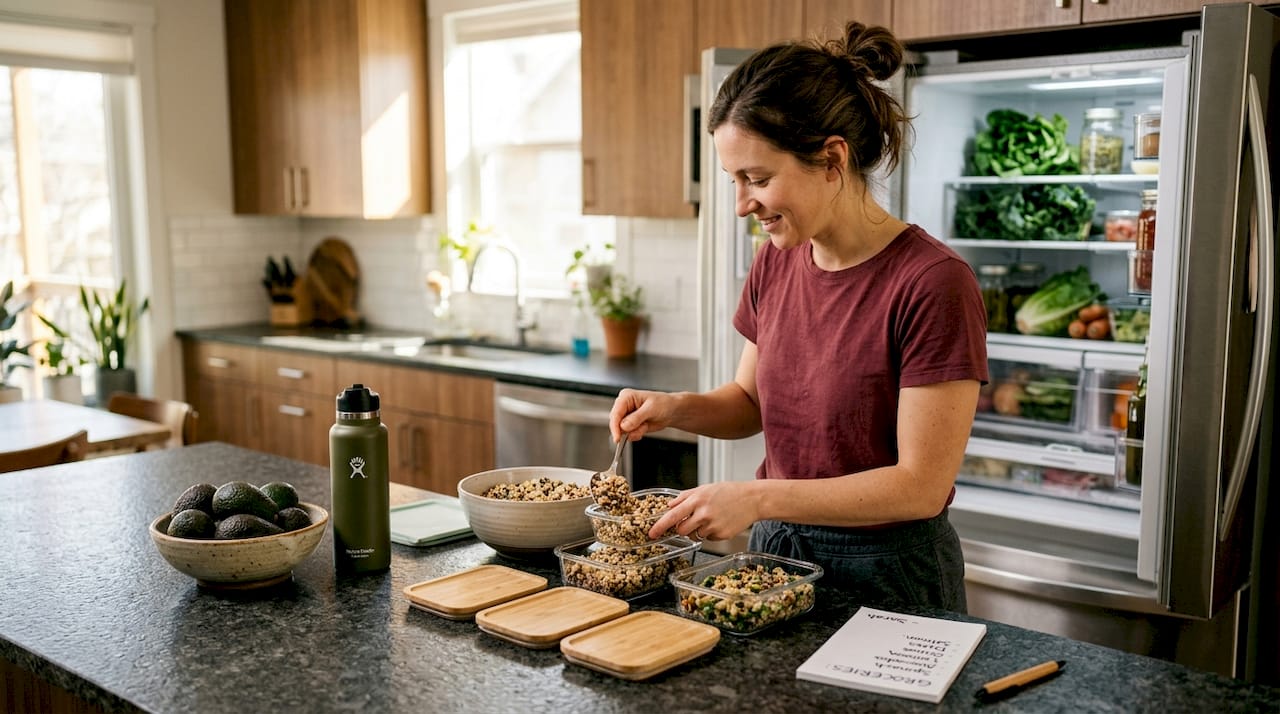
Women’s unique biology, including hormonal patterns, fat distribution differences, and metabolic shifts throughout life, means that the path to healthy weight gain looks different for every woman. What works for one person at 28 may need to be adjusted by 38 and again by 48.
Practical strategies for supporting natural weight gain and curves:
- Eat in a caloric surplus with quality foods. This means eating more calories than you burn daily, with a focus on protein (for muscle), healthy fats (for hormones and body composition), and complex carbohydrates (for sustained energy).
- Prioritize strength training over cardio. Lifting weights builds the muscle that gives shape to your curves. Too much cardio without enough food simply burns off what you’re trying to build.
- Time your meals around your cycle. During the luteal phase (the two weeks before your period), your body often needs more calories and handles higher-carb meals better. Work with your biology, not against it.
- Be patient with your timeline. Healthy, sustainable weight gain typically happens at a rate of half a pound to one pound per week. Anything faster tends to be water retention or fat gain that doesn’t support the curve-building goal.
- Support your routine with targeted products. Topical body care products and wellness supplements designed specifically for women can complement a solid nutrition and movement foundation. They’re not magic, but the right products support your journey in meaningful ways.
Pro Tip: Take progress photos every two weeks instead of relying solely on the scale. Muscle gain and body reshaping often don’t show up as dramatic weight changes but are clearly visible in photos taken in the same lighting and position.
Understanding the natural weight gain benefits from a wellness perspective can reframe the entire journey. Exploring supplements for body shape alongside your nutrition plan, and learning about body enhancement for curves, can round out your approach beautifully.
Why most advice on women’s wellness falls short
Here’s something worth saying plainly: most wellness content for women is not actually built for women. It’s built for a market. There’s a massive difference.
Generic wellness advice tends to revolve around weight loss, calorie cutting, and a “lean and toned” aesthetic that works for a narrow slice of body types and doesn’t acknowledge hormonal variation, life stage, or individual goals. If you’ve ever followed a wellness program perfectly and still felt like something was missing, this is probably why.
The deeper problem is that body confidence is not a byproduct of hitting a number on the scale. It comes from feeling seen, supported, and understood by the approach you’re following. When a wellness program treats all women’s bodies as problems to be minimized rather than shapes to be celebrated, it actively undermines confidence rather than building it.
We believe that the women who thrive in their wellness journeys are the ones who commit to personalization over perfection. They’re not chasing someone else’s body. They’re building into their own. The supplements for curves conversation, for example, is not about shortcuts. It’s about giving your body targeted support that aligns with your specific goals.
The real shift happens when you stop trying to fit into a wellness mold and start building one around your actual life. Your cycle, your stress load, your body composition goals, your schedule. Holistic, personalized care is not a trend. It’s the only approach that consistently works over the long term. Anything that ignores your individuality will eventually lose your trust, because it was never really built for you in the first place.
Next steps: Explore women-focused wellness solutions
If you’ve made it this far, you already understand that wellness for women is bigger than generic advice. You deserve an approach built around your body, your goals, and your version of confidence.
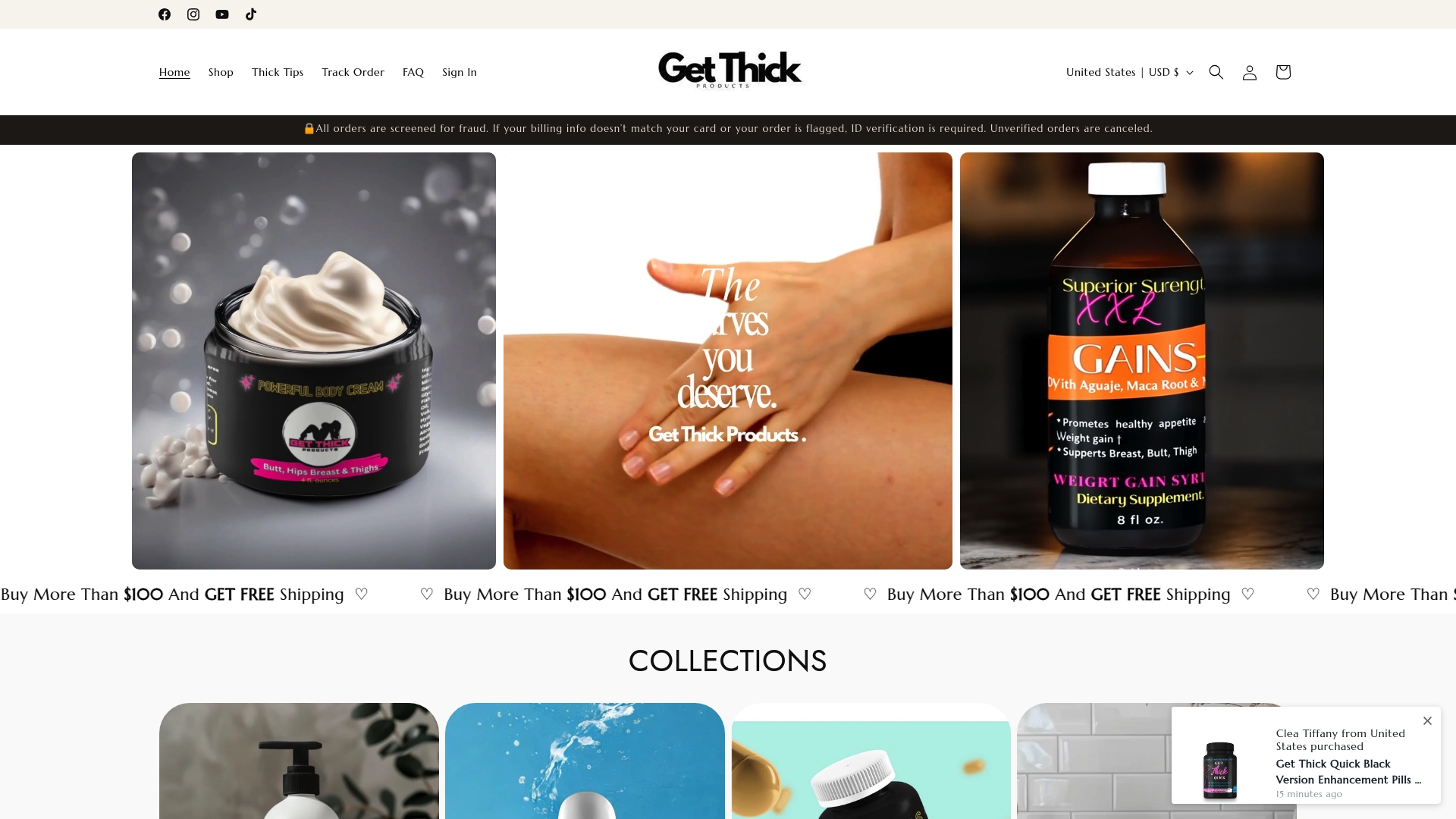
At Get Thick Products, we create beauty and wellness solutions specifically for women who want to build curves, support healthy weight gain, and feel genuinely good in their skin. Our topical creams, body care products, and dietary supplements are designed to work alongside solid nutrition and movement habits, not replace them. Whether you’re just starting out or ready to level up, the women’s wellness checklist is a practical place to begin mapping your personalized routine. Your body is worth the investment.
Frequently asked questions
What makes women’s wellness different from men’s?
Women have unique biological needs tied to reproductive health, hormonal fluctuations, and conditions like PCOS, endometriosis, and menopause, which makes tailored wellness programs far more effective than generic ones.
How does women’s wellness boost confidence?
Personalized wellness builds self-image by aligning health habits with a woman’s actual body and goals, creating empowerment that shows up in both personal and professional spaces.
Can focusing on wellness help with natural weight gain for women?
Yes, a holistic wellness approach using strength training, calorie-surplus nutrition, and cycle-aware strategies can absolutely support healthy weight gain and curve development.
How common is regular wellness screening for women?
Screening needs vary; ask your healthcare provider
Are women more likely to face misdiagnosis in healthcare?
Yes. Because of male-centric research gaps and diagnostic disparities, women are frequently misdiagnosed or receive lower quality pain treatment compared to men with similar conditions.
Recommended
- Women-Focused Wellness: A Guide to Confidence and Curves – Get Thick Products
- Wellness checklist for women: boost confidence & curves – Get Thick Products
- What drives women’s body confidence: embrace your curves – Get Thick Products
- Wellness supplements for women: curves, confidence & results – Get Thick Products