

TL;DR:
- A personalized self-care routine includes medical checks, nutrition, movement, and lifestyle habits.
- Regular health screenings and labs help identify issues that may hinder healthy weight gain.
- Strength training and proper nutrition are key for building curves and confidence naturally.
Building a consistent self-care routine while chasing natural body goals is genuinely hard. Most wellness checklists are written for women trying to lose weight, which leaves those of us aiming to gain healthy curves feeling invisible. The good news is that a well-rounded routine covers the same pillars for every woman: medical health, smart nutrition, intentional movement, and daily lifestyle habits. This checklist is built specifically for women aged 21 to 40 who want to feel strong, look their best, and gain confidence alongside healthy weight. Every step here is practical, research-backed, and designed to fit real life.
Table of Contents
- Foundational health checks: Screenings and labs
- Nourish to flourish: Nutrition for curves and energy
- Move with intention: Strength training for shape and confidence
- Lifestyle essentials: Sleep, stress, and smart choices
- Why one-size-fits-all checklists fail: A practical truth
- Ready for your next step? Start your confidence journey now
- Frequently asked questions
Key Takeaways
| Point | Details |
|---|---|
| Start with screenings | Annual medical exams and labs catch issues early and set you up for safe progress. |
| Eat for your goals | A daily calorie surplus of whole foods, not junk, fuels natural curves and wellness. |
| Build with movement | Strength training 2-3 times a week shapes your body and boosts confidence. |
| Prioritize self-care | Quality sleep and stress management are as vital as diet and exercise for women’s health. |
| Customize your approach | Every woman’s wellness journey is unique—personalize your checklist for best results. |
Foundational health checks: Screenings and labs
With the value of an organized routine in mind, let’s start with medical and lab essentials that form the backbone of women’s wellness. Skipping annual checkups is one of the most common ways women accidentally stall their body goals. Hormonal imbalances, low iron, and thyroid issues can all make healthy weight gain nearly impossible, and most women don’t even know they have them until a simple blood panel reveals the truth.
Your wellness routine guide starts with knowing your numbers. According to USPSTF guidelines, Pap tests every 3 years for women ages 21 to 29, cholesterol checks starting at age 20, blood pressure monitoring, BMI tracking, and diabetes screening from age 35 if overweight are all part of a standard annual visit. STI screenings, dental exams, and eye checkups round out the picture.
For women specifically trying to gain weight, a few extra labs deserve attention:
- Iron panel: Heavy periods can drain iron stores, causing fatigue that kills motivation and slows muscle recovery.
- Thyroid function (TSH, T3, T4): An overactive thyroid can burn through calories faster than you can eat them.
- Hormone panel: Irregular cycles or unexpected weight changes are worth investigating with your provider.
- Vitamin D and B12: Deficiencies in these affect energy, mood, and appetite, all of which directly impact your ability to gain.
Well-woman visits are also about shared decision-making. You and your provider can look at women’s health in your 20s together and personalize which screenings matter most for your history and goals. This is not a one-size-fits-all appointment.
| Screening | Frequency | Why it matters for body goals |
|---|---|---|
| Pap test | Every 3 years (21-29) | Baseline reproductive health |
| Cholesterol | Every 4-6 years from age 20 | Cardiovascular wellness |
| Blood pressure | Annually | Tracks stress and circulation |
| Iron/ferritin | As needed | Flags fatigue blocking gains |
| Thyroid (TSH) | As needed | Rules out metabolism issues |
Pro Tip: Book every annual checkup near your birthday. It turns a chore into a yearly self-care ritual you’ll actually remember.
Nourish to flourish: Nutrition for curves and energy
Once annual health basics are covered, your next focus is everyday fuel. What you eat for sustainable gains and glowing wellness matters more than almost any other factor in your checklist.
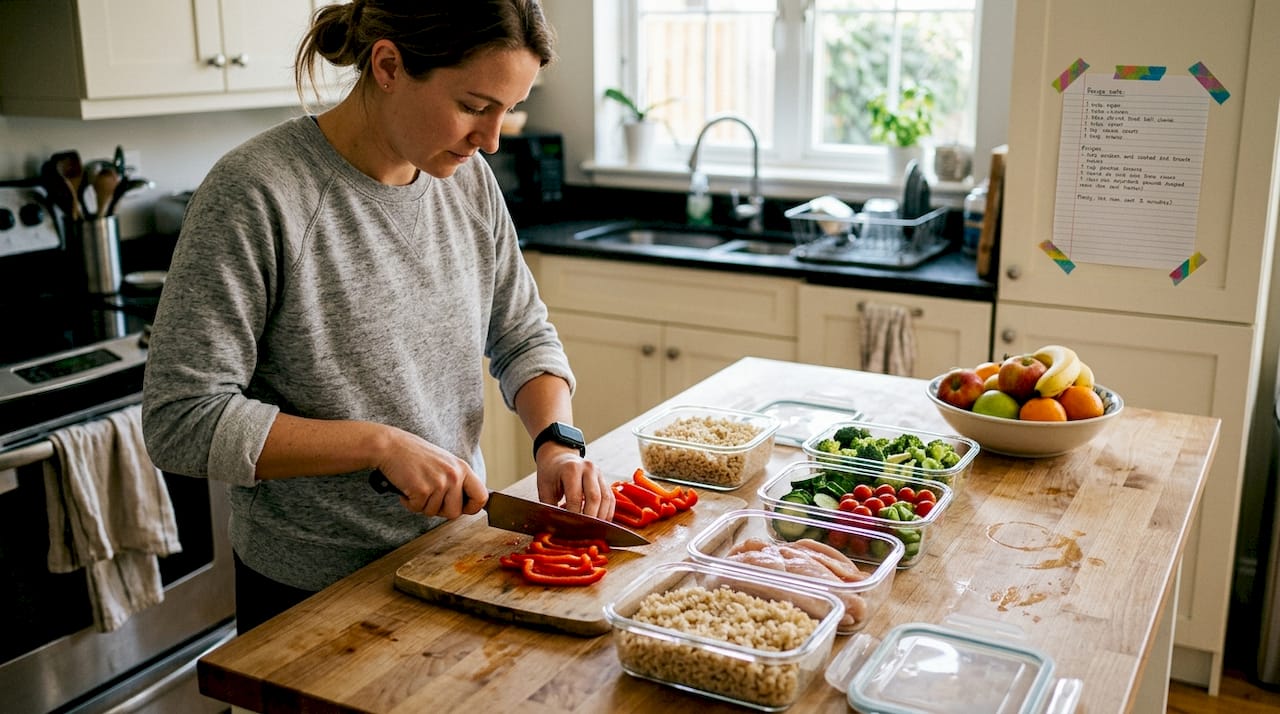
To gain weight in a healthy, curve-friendly way, you need a 300 to 500 calorie surplus daily. That translates to roughly 0.5 to 1 pound of gain per week, which is the sweet spot for building muscle rather than storing excess fat. Crash-eating 1,000 extra calories a day will not give you curves. It will give you bloat and fatigue.
Explore women-focused nutrition strategies that prioritize the right foods:
- Healthy fats: Avocados, nut butters, olive oil, full-fat dairy
- Complex carbs: Oats, sweet potatoes, brown rice, whole grain bread
- Quality proteins: Eggs, chicken, Greek yogurt, legumes, salmon
- Calorie-dense snacks: Trail mix, cheese, hummus with pita, smoothies with protein powder
Eating 5 to 6 smaller meals throughout the day keeps your metabolism engaged and prevents the fullness that makes it hard to hit your calorie targets in just 3 meals.
| Macro | Daily target (approx.) | Best food sources |
|---|---|---|
| Protein | 0.7-1g per lb of body weight | Eggs, chicken, Greek yogurt |
| Healthy fats | 25-35% of total calories | Avocado, nuts, olive oil |
| Carbohydrates | 45-55% of total calories | Oats, rice, sweet potato |
| Fiber | 25g minimum | Vegetables, legumes, fruit |
Prioritize whole foods over processed options. Real food supports hormone balance, skin health, and hair growth in ways that powders and pills simply cannot replicate on their own. Understanding how nutrition fuels confidence is one of the most powerful shifts you can make.
Pro Tip: Eat your largest, most calorie-dense meal within 45 minutes after strength training. Your muscles are primed to absorb nutrients and grow during that window.
Move with intention: Strength training for shape and confidence
Optimal nutrition powers results, but pairing it with targeted movement unlocks the outer and inner confidence many women seek. And here’s something most people get wrong: cardio alone will not build curves. Running burns the calories you need for gains. Strength training builds the muscle that creates shape.
Strength training 2 to 3 times per week with compound movements is the most efficient way to build muscle curves and boost your metabolism long-term. Here are five foundational moves every woman should include:
- Squats: Target glutes, quads, and hamstrings. Use bodyweight to start, then add dumbbells or a barbell.
- Hip thrusts: The single best move for building glute shape. Use a bench and a weighted barbell or resistance band.
- Lunges: Work each leg independently for balanced development and improved stability.
- Bent-over rows: Build upper back thickness and improve posture, which instantly changes how your body looks.
- Push-ups: Develop chest and shoulder definition that creates a balanced, feminine silhouette.
You do not need a gym. Resistance bands, dumbbells, and bodyweight are enough to get started at home. The benefits of healthy weight gain extend far beyond appearance. Strength training also:
- Boosts serotonin and dopamine, improving mood within 20 minutes of a session
- Increases bone density, which matters more as you approach your 30s
- Improves sleep quality, which directly supports hormone balance
- Builds daily confidence that carries into every area of life
Check out this appearance boost guide for a step-by-step plan that pairs movement with your nutrition goals. And if you’re curious about how supplements for curves can complement your training, that’s worth exploring alongside your routine.
Pro Tip: Log your lifts every week, even just in a notes app. Seeing your squat weight go from 20 to 60 pounds over a few months is one of the most motivating things you can experience.
Lifestyle essentials: Sleep, stress, and smart choices
Movement and meals matter, but the habits that surround them often make or break wellness outcomes. You can eat perfectly and train consistently and still stall if your sleep is poor and your stress is high.
Here are the non-negotiables for a lifestyle that supports your goals:
- Sleep 7 to 9 hours nightly: 7 to 9 hours of sleep supports hormone regulation, muscle recovery, and appetite control
- Move at least 150 minutes per week: Moderate activity keeps your cardiovascular system and metabolism healthy
- Hydrate consistently: Aim for at least 8 cups of water daily to support digestion and skin health
- Manage stress actively: Chronic stress raises cortisol, which signals your body to break down muscle and store fat in unflattering places
- Limit alcohol: Even moderate drinking disrupts sleep cycles and hormone production
- Avoid smoking: Smoking suppresses appetite and damages circulation, both of which work against your goals
- Review supplements with your provider: Iron, vitamin D, and folic acid (400 to 800mcg if you’re planning a pregnancy) are worth discussing
If you have heavy periods, ask your provider to check your iron levels. Low ferritin is one of the most overlooked reasons women feel exhausted and struggle to gain or maintain healthy weight.
Stress-induced underweight is more common than most people realize. When your nervous system is in constant overdrive, your body prioritizes survival over growth. Explore natural wellness routines that incorporate stress breaks, breathwork, or even 10-minute walks to reset your system. Pairing these habits with a positive body image guide can help you stay consistent without burning out. For more daily health tips, women’s health resources offer solid evidence-based guidance.
Why one-size-fits-all checklists fail: A practical truth
As you check off each item and build your routine, it’s worth pausing to consider and challenge typical wellness narratives. Here’s something most wellness content won’t tell you: the majority of health checklists are designed around preventing obesity. They were not built with underweight women in mind. That means the default advice, eat less, move more, track your BMI, can actually work against you.
Being underweight is not a lesser health concern. It’s a different starting line. And it requires a different map. Well-woman visits enable shared decision-making that personalizes recommendations for each woman’s goals, which means your provider should be helping you gain, not defaulting to weight loss messaging.
Family history matters too. If thyroid issues, hormonal conditions, or digestive disorders run in your family, your screening schedule and lab priorities should reflect that. Celebrating weight gain as a health win is something our culture rarely does, and it should. Use this confidence and curves guide as a reminder that your goals are valid, your journey is unique, and your checklist should be built around you.
Ready for your next step? Start your confidence journey now
If you’re inspired to put your personal checklist into action, here’s how to keep the momentum going. Every woman’s body is different, and having the right tools alongside your routine can make a real difference in how you feel and how you show up.
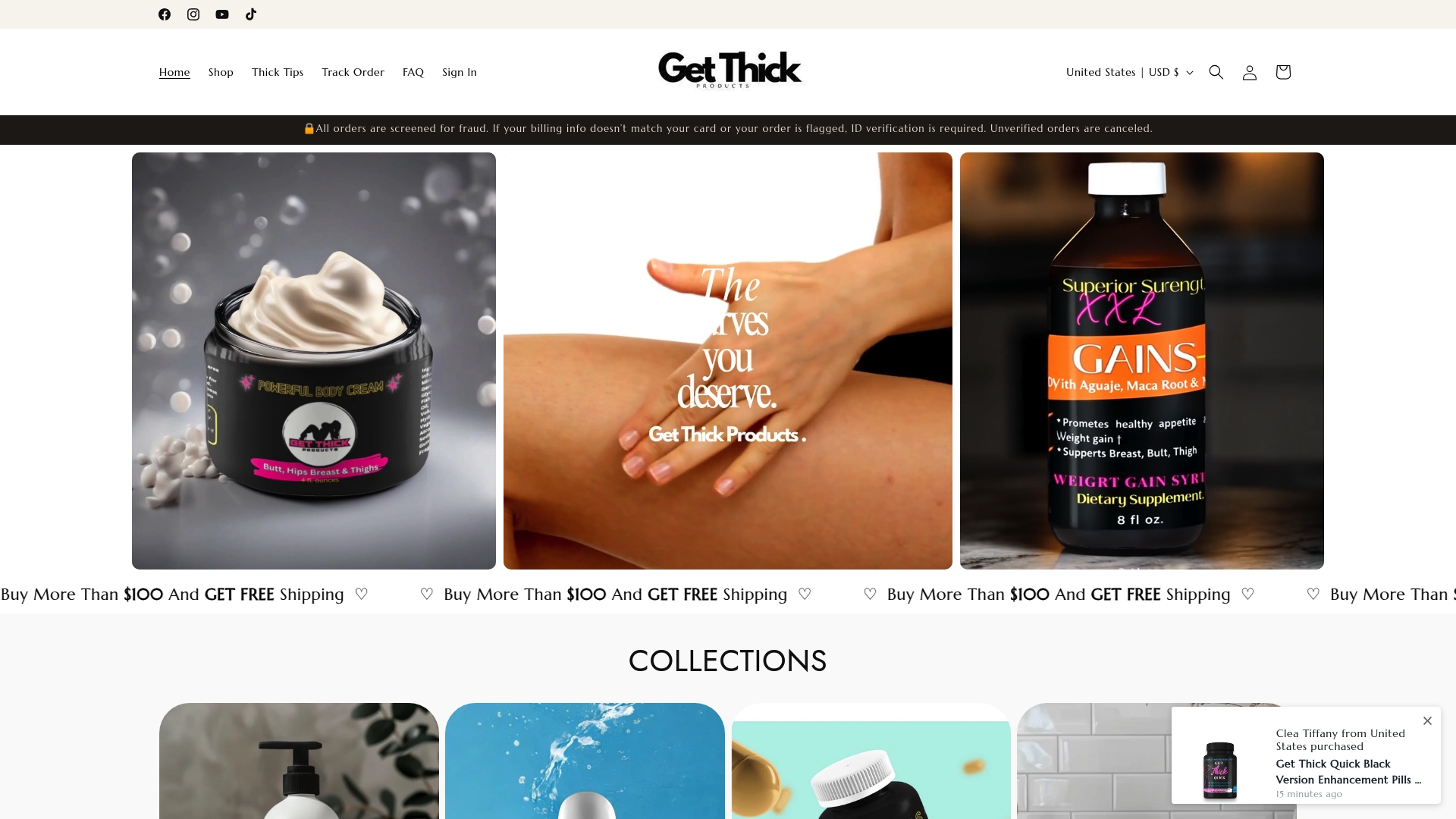
Get Thick Products offers a curated range of body enhancement creams, wellness supplements, and beauty products designed specifically for women who want to support natural curves and feel confident in their skin. Whether you’re just starting your wellness checklist or looking to level up what’s already working, explore options built for your goals and your body.
Frequently asked questions
How can underweight women gain weight in a healthy way?
Healthy weight gain means eating a 300 to 500 calorie surplus daily using whole, nutrient-rich foods while pairing that with strength training 2 to 3 times per week to build muscle rather than just adding fat.
What screenings should women ages 21-40 get annually?
Key screenings include Pap tests every 3 years for ages 21 to 29, cholesterol and blood pressure checks, STI tests if sexually active, and additional labs for thyroid or iron if you have symptoms like fatigue or irregular periods.
Is it better to use food or supplements to gain weight?
Whole foods are the foundation. Whole foods over supplements provide better hormone support, healthier skin and hair, and more balanced nutrition than relying on powders or pills alone.
How does sleep affect weight gain and wellness for women?
Consistent 7 to 9 hours nightly supports the hormone balance your body needs to build muscle, manage appetite, and recover from training effectively.
When should a woman see a doctor about not gaining weight?
See a provider if you’re eating more and training consistently but still not gaining, especially if you notice fatigue, irregular periods or digestive issues, which can signal an underlying hormonal or metabolic condition worth investigating.
Recommended
- Body confidence checklist: empower your curves & self-care – Get Thick Products
- Wellness supplements for women: curves, confidence & results – Get Thick Products
- Women-Focused Wellness: A Guide to Confidence and Curves – Get Thick Products
- Confidence-boosting beauty for curvy women: A guide – Get Thick Products