

TL;DR:
- Body positivity originated from civil rights activism, advocating for acceptance regardless of size or appearance.
- Modern body positivity challenges unrealistic beauty standards and promotes diverse representation.
- It supports confidence and self-care, especially when combined with body neutrality and realistic goals.
Body positivity gets misunderstood constantly. Most people assume it simply means loving the way you look every single day, posting mirror selfies with confidence, and never having a bad body image moment again. But that version of the movement barely scratches the surface. Body positivity started as a radical act of resistance, pushed forward by women who were fighting for basic human dignity. This guide walks you through the real history, the modern landscape, the honest critiques, and most importantly, how to make body positivity work for your actual life, including your goals around natural weight gain, self-care, and lasting confidence.
Table of Contents
- The roots and true meaning of body positivity
- What body positivity looks like today
- Body positivity vs. body neutrality and health debates
- How body positivity impacts confidence, self-care, and natural weight gain
- A fresh take: The truth most guides miss about body positivity
- Ready to take the next step? Find tools for your body confidence journey
- Frequently asked questions
Key Takeaways
| Point | Details |
|---|---|
| Activist movement roots | Body positivity began as a movement for social acceptance, not just self-love. |
| Modern focus | It now challenges unrealistic standards and celebrates all body types—including support for natural weight gain. |
| Mindset matters | Embracing body positivity can boost self-esteem, but does not require constant self-love. |
| Nuanced approaches | Mixing positivity with body neutrality helps build sustainable confidence. |
| Practical application | Using body positivity in wellness routines supports real confidence and goal achievement. |
The roots and true meaning of body positivity
With misconceptions set aside, let’s start by understanding where body positivity comes from and what it originally stood for.
Body positivity did not begin as a social media trend. It has deep roots in civil rights activism, particularly in the work of Black and queer women who were fighting against systemic discrimination rooted in how their bodies were perceived and treated. The fat acceptance movement of the 1960s planted the earliest seeds, pushing back against medical bias, workplace discrimination, and cultural stigma targeting larger bodies. This was not about aesthetics. It was about justice.
“Body positivity is a social movement promoting acceptance of all bodies regardless of size, shape, or appearance, originating from the 1960s fat acceptance movement led by Black and queer women, formalized in 1996 by The Body Positive organization.”
The movement took a more organized form in the 1990s. In 1996, The Body Positive organization was founded, giving the advocacy a formal structure and voice. But even as it grew, the core idea stayed consistent: every person deserves to exist in their body without shame, regardless of size, ability, age, or appearance.
What body positivity actually means is much richer than self-love slogans. It means:
- Advocating against discrimination tied to body size and shape
- Pushing back on medical systems that reduce a person’s health to their weight
- Challenging beauty industries that profit from manufactured insecurity
- Creating space for bodies that are historically excluded from mainstream representation
If you are on a journey toward boosting body positivity naturally, knowing this history matters. It changes the movement from a passive mindset into something with real purpose and power.
What body positivity looks like today
Now that we know where body positivity comes from, let’s see what it means for women right now and how it’s changing the conversation everywhere.
Body positivity appears in fashion, advertising and social media. Seek voices and communities that help you feel respected and comfortable pursuing your own goals.
| Year | #bodypositive posts on Instagram |
|---|---|
| 2019 | 6.1 million |
| 2020 | 12.6 million |
| Growth | Historical trend; current count not verified |
This kind of visibility matters because representation shapes what women believe is possible for their own bodies and lives.
Modern body positivity challenges unrealistic beauty standards, encouraging self-love, appreciation despite perceived flaws, and centering body diversity and self-worth beyond physical appearance. But it has also expanded beyond just size. Today’s movement pushes back against:
- Ageism in beauty, where older women are pressured to appear younger
- Ableism, or the exclusion of disabled bodies from mainstream wellness narratives
- Perfectionism, the idea that your body is always a project to improve
- Racial beauty standards that center Eurocentric features as the default ideal
- Gender norms that prescribe rigid body expectations for women specifically
You can see body positivity show up in real daily life in concrete ways. Think about brands now casting models across a wider size range. Think about wellness communities that encourage joyful movement instead of punishment-based exercise. Think about conversations shifting from “how do I lose this?” to “how do I feel good in this?” These are not small changes. They reflect a genuine cultural shift in how women are allowed to relate to their own bodies.
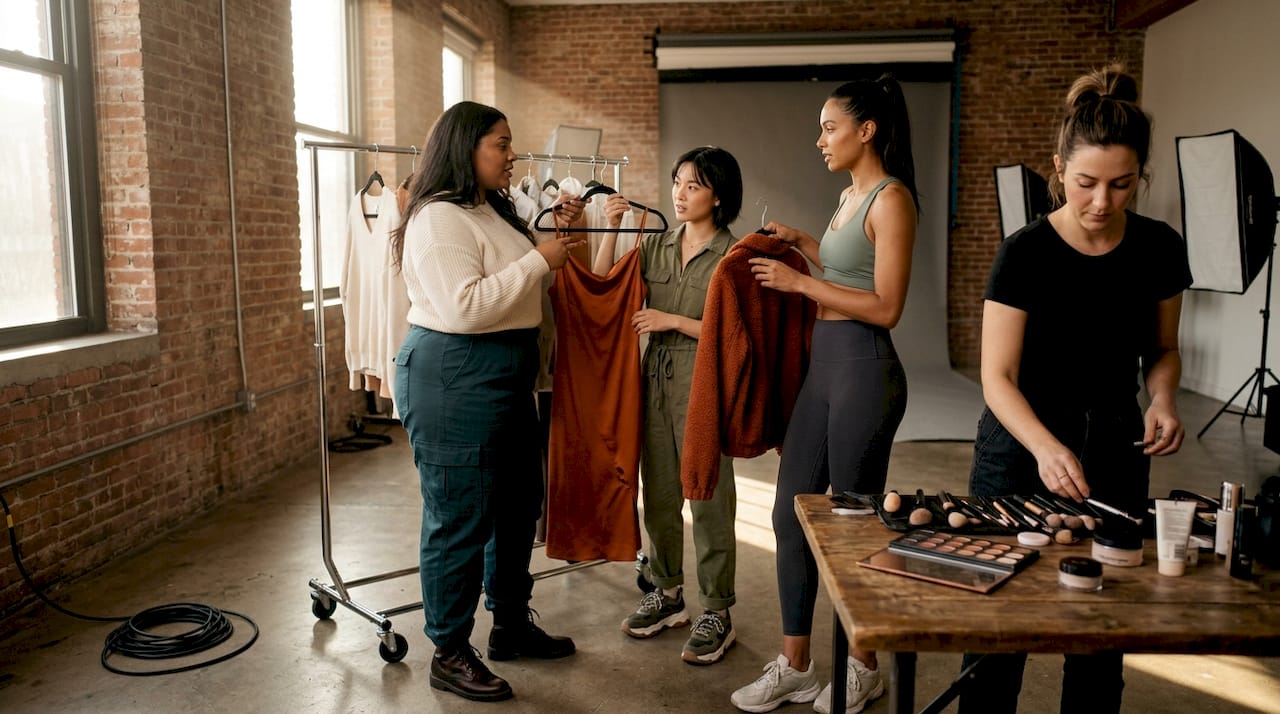
Exploring the body positivity benefits for your confidence and daily self-care routine is one of the most practical things you can do right now. When you understand what the movement actually supports, you can use it as a real framework, not just a feel-good phrase.
Body positivity vs. body neutrality and health debates
Understanding its spread also means seeing where the confusion is. Let’s dig into how body positivity compares to other trends and why critiques matter.
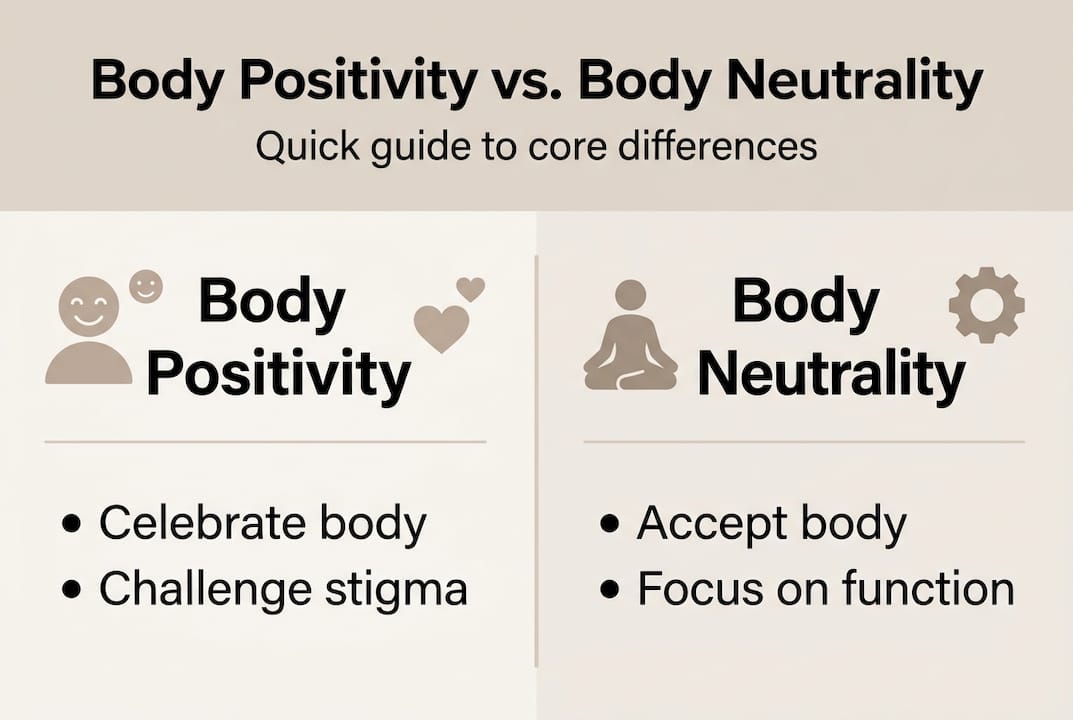
Two terms get mixed up often: body positivity and body neutrality. They share some ground, but they are meaningfully different approaches.
| Dimension | Body positivity | Body neutrality |
|---|---|---|
| Core mindset | Active celebration of your body | Acceptance without emphasis on appearance |
| Daily approach | Affirm, celebrate, challenge stigma | Focus on function, not aesthetics |
| Emotional tone | High energy, enthusiastic | Calm, low-pressure |
| Psychological outcome | Linked to higher self-esteem, mindfulness | Easier to sustain on difficult days |
| Best for | Building activism-rooted confidence | Reducing appearance-focused anxiety |
Body positivity and body neutrality describe different approaches to self-image. You can celebrate your appearance, appreciate your body’s abilities or combine the two in ways that feel right for you.
Now for the honest critique. Body positivity has faced real and fair criticism over the years. The movement has been co-opted by commercial interests, shifted toward thin influencers, lost its original focus on fat liberation, and in many corners now promotes an unrealistic expectation of constant self-love while sometimes ignoring genuine health conversations.
Some specific concerns worth naming:
- Commercialization: Big brands adopted body positive language without making structural changes, using it as marketing rather than advocacy.
- Representation gaps: The movement’s mainstream face often shifted away from larger, darker-skinned, disabled, or older women.
- Performativity pressure: Women feel they should always feel good about their bodies, which creates a new kind of shame when they have hard days.
- Health nuance: The movement does not always make room for honest conversations about medical wellness, leaving some women feeling unseen.
Pro Tip: You do not have to choose one approach exclusively. Many women find it most sustainable to blend body positivity (celebrating your body’s diversity and resisting stigma) with body neutrality (focusing on what your body does rather than how it looks) depending on the day. Check off your body positivity steps and adjust your mindset framework as your needs shift.
How body positivity impacts confidence, self-care, and natural weight gain
Moving from debates to your personal growth, let’s see what body positivity can actually do for self-confidence, wellness, and embracing your goals.
Here is where things get personal. For women between 21 and 55 who are working toward natural weight gain or body enhancement goals, body positivity is not just a philosophical stance. It is a practical tool that shapes how you pursue your goals and whether you feel good about yourself along the way.
Research shows that body positivity supports self-acceptance, which directly aids wellness product use and the consistency needed to see real results. Pairing that with body neutrality creates sustainable confidence without obsessing over appearance every single day. That combination is genuinely powerful.
It is also worth noting that body image is complex in real relationships and social contexts. Studies find no significant body image differences between normal-weight and overweight women in romantic relationships, and that physical activity self-worth connects to body appreciation through resilience. In other words, how you feel about your body is not simply a product of what your body looks like. It is built through how you engage with life.
Here are real-life ways to combine body positivity with your self-care routine:
- Practice mindful eating focused on nourishment and pleasure, not just numbers. When you eat with intention rather than guilt, you build a healthier relationship with food and with your body’s signals.
- Choose movement you enjoy. Gentle walking, dancing, yoga, or strength training all count. The goal is to feel good in your body, not to punish it.
- Select wellness products for how they support your goals, not just how they look on your shelf. If a supplement or body care product supports your natural weight gain journey, use it as a tool for confidence, not a measure of your worth.
- Build community with women who share your values. Body positive spaces reduce comparison and increase the kind of social support that actually sustains change.
- Journal about progress without fixating on outcomes. Notice how you feel, what you notice in your body, and where your confidence is growing, separate from measurements.
Exploring the benefits of weight gain for women is a great way to build a fact-based, shame-free framework around your personal goals. When you understand why healthy weight gain can support energy, hormonal balance, and confidence, you stop seeing your goal as something to hide and start owning it.
For practical daily support, read up on body confidence tips specific to natural weight gain and curves. You can also explore a full guide to positive body image with weight gain to build the mindset alongside your physical goals.
Pro Tip: Link your self-worth to your effort and consistency, not to the outcome on any given day. Confidence built on progress is far more durable than confidence built on how you look in a specific moment.
A fresh take: The truth most guides miss about body positivity
Most body positivity content online does one of two things. It either celebrates the movement so enthusiastically that it erases real complexity, or it critiques it so hard that it leaves women with nothing to hold onto. Neither approach is particularly useful.
The truth is that lasting body confidence is built through consistency, not through constant celebration. You will have days where you do not love your body, days where you feel frustrated, days where the goal feels far away. Those days are not failures in your body positivity practice. They are part of it.
Performativity pressure is one of the movement’s quiet harms right now. When body positivity becomes a performance, where you post the right content, use the right language, or perform happiness about your appearance, it stops serving you and starts serving an audience. Real self-acceptance includes neutral days, hard days, and imperfect moments. Body positivity mechanics involve active celebration that challenges stigma, but when that becomes pressure, it can undermine the very confidence it’s meant to build.
The next level of this work means honoring the movement’s activist roots while adapting it to your actual life. You are not required to celebrate your body loudly to belong to this movement. You are allowed to quietly pursue your goals, support yourself with the right products and habits, and build confidence on your own terms. That is what real body positivity looks like in practice.
Lasting confidence means accepting that your body will change. You will gain weight, lose it, age, heal from things, and experience seasons. The goal is not to freeze your body at one ideal point. The goal is to stay in a supportive relationship with your body through all of it. Building that relationship is the actual work, and you can find grounded support for it when you build body confidence through a natural wellness routine that fits your life.
Ready to take the next step? Find tools for your body confidence journey
Body positivity is a journey, not a destination, and it is always better with the right support around you. Once you have got the mindset, the next step is finding tangible ways to support your confidence, both mentally and physically.
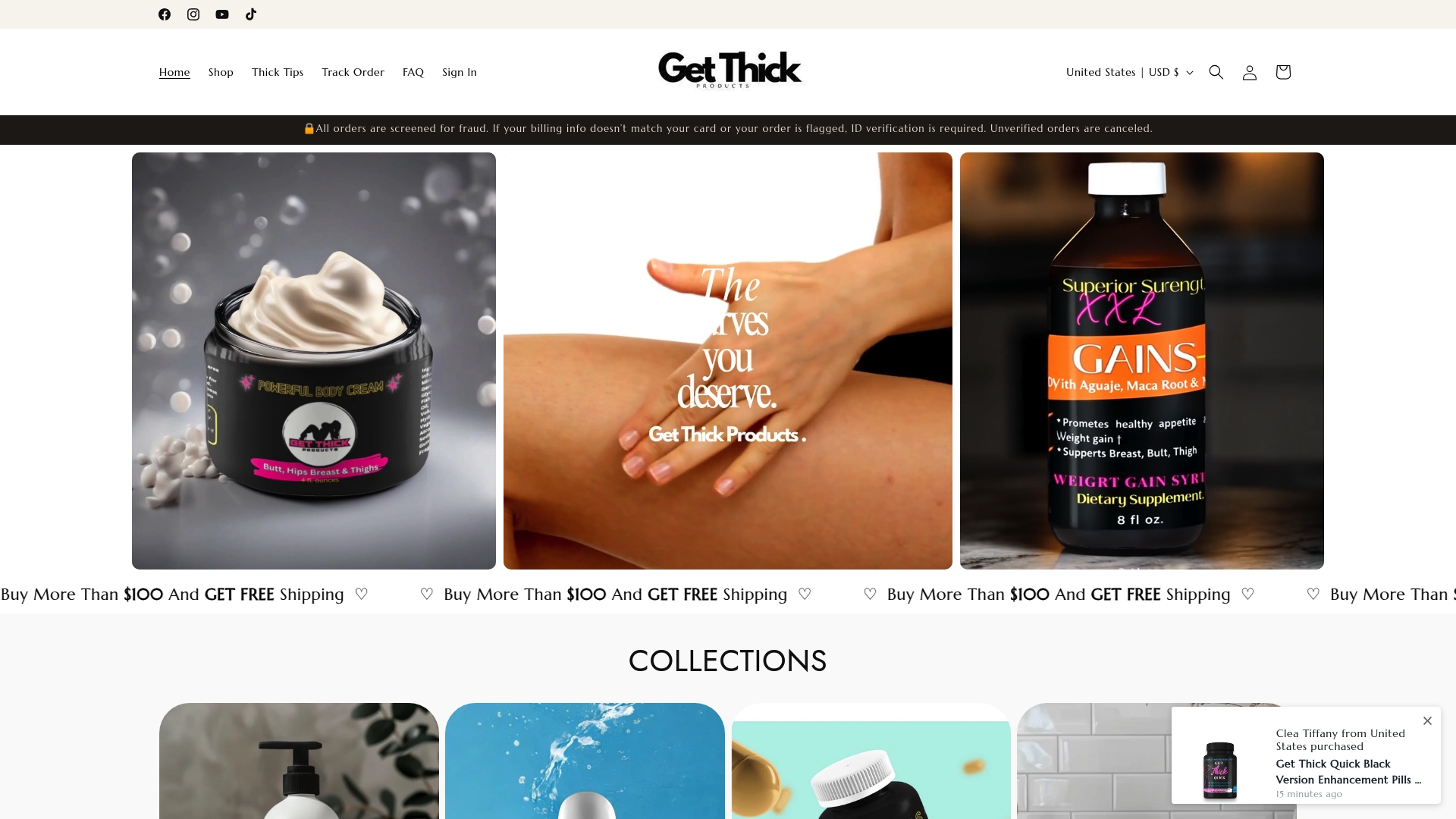
At Get Thick Products, we design wellness and beauty tools specifically for women who are working toward body confidence on their own terms. Whether you are exploring body enhancement creams, dietary supplements for natural weight gain, or body care products that make you feel celebrated every day, our range is built to support your journey without judgment. We recognize the movement’s roots and believe that every woman deserves products that respect her goals and her story. Browse our full collection at getthickproducts.com and find the tools that fit your body positivity practice.
Frequently asked questions
Is body positivity only for plus-size women?
No, body positivity aims to promote acceptance of all bodies regardless of size, shape, or appearance, making it relevant to every woman regardless of where she is on her body journey.
How is body positivity different from body neutrality?
Body positivity emphasizes celebrating appearance and challenging stigma. Body neutrality emphasizes acceptance and what your body can do. Choose the approach that supports you.
Can body positivity improve self-confidence?
Yes, studies confirm that body positivity correlates with higher self-esteem, mindfulness, and body gratitude at statistically significant levels, making it a genuine tool for building lasting confidence.
What are the criticisms of the body positivity movement?
Some argue the movement has been co-opted by commercial interests, shifted focus away from marginalized communities, and promotes unrealistic expectations of constant self-love while sidestepping genuine health conversations.
Does body positivity support women seeking natural weight gain?
Yes, body positivity encourages self-acceptance across all body goals, and research shows it supports self-acceptance that aids consistent wellness product use, especially when paired with body neutrality for a sustainable, non-appearance-obsessed approach.
Recommended
- Boost body positivity naturally: practical steps for confidence – Get Thick Products
- Body positivity benefits: confidence, self-care & wellness – Get Thick Products
- Positive body image and natural weight gain guide – Get Thick Products
- What drives women’s body confidence: embrace your curves – Get Thick Products