

TL;DR:
- Meal prepping helps women build curves by ensuring consistent, balanced nutrition tailored to their goals. Incorporating calorie-dense, high-protein, healthy fats, and complex carbs supports natural shape enhancement over time. This structured approach promotes sustainable progress while fostering confidence and a positive relationship with food.
You’ve tried eating more, you’ve googled diets, and still your body isn’t reflecting the confidence you’re after. That frustration is real, and it’s more common than you’d think. The truth is, random eating and trendy diets rarely deliver lasting curves because they lack structure, consistency, and the right nutritional balance. Meal prepping changes that entirely. When you plan your food around your goals, you stop leaving your results to chance and start building your body on purpose, one intentional meal at a time.
Table of Contents
- Understanding how meal prep supports curves
- Essential curve-supportive meal prep building blocks
- Step-by-step meal prep plan for healthy curves
- Troubleshooting, common mistakes, and when to seek help
- Our experience: Why curve meal prep really builds more than just your body
- Connect your meal prep journey with real results
- Frequently asked questions
Key Takeaways
| Point | Details |
|---|---|
| Balanced calorie surplus | Eating 300–500 extra daily calories with a mix of protein, carbs, and healthy fats supports healthy curves. |
| Meal prep repeatability | Using a simple, repeatable meal prep method helps you achieve consistent, curvy results. |
| Smart food choices | Nutrient-dense proteins and fats beat junk food for long-term curve goals. |
| Progress tracking and safety | Monitor progress and consult a professional for unexpected weight changes. |
Understanding how meal prep supports curves
Now that you understand meal prep’s promise, let’s break down how it directly supports your body’s curve-building process.
Building curves through food isn’t about eating everything in sight. It’s about strategic nutrition. NHS recommends adding 300–500 extra calories per day through a balanced mix of food groups, including protein, healthy fats, and carbohydrates. That specific range matters because it’s large enough to support growth but small enough to keep you feeling good and in control. Jumping straight into a 1,000-calorie surplus usually leads to unwanted bloating, fatigue, and fat gain in places you didn’t intend.
Genetics and hormones play a real role in where your body stores fat and builds shape. Some women naturally carry more weight in their hips and thighs, while others distribute it differently. Body shape is influenced by genetics and hormones, but consistent, intentional nutrition makes a measurable difference over time. You can’t rewrite your DNA, but you can absolutely work with your body’s natural tendencies to amplify your curves through the right fuel.
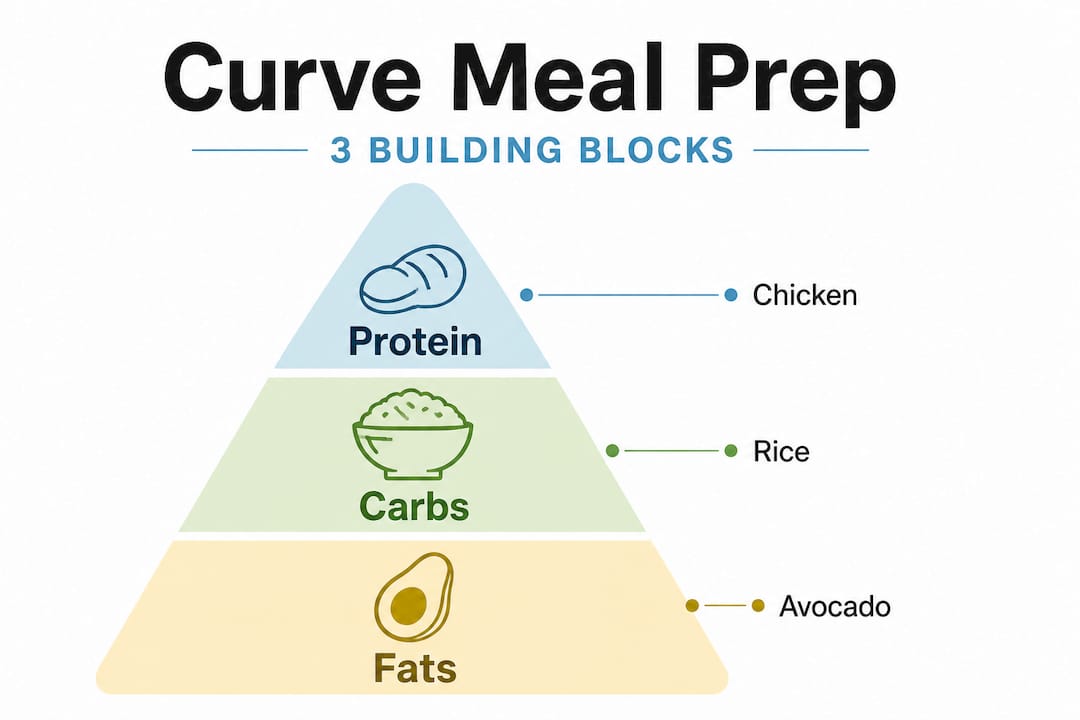
Here’s a quick look at how the three main macronutrients contribute to a curvy physique:
| Macronutrient | Role in curve support | Easy sources |
|---|---|---|
| Protein | Supports muscle building in hips, thighs, glutes | Chicken, eggs, Greek yogurt, lentils |
| Healthy fats | Supports fat storage in feminine areas, hormone balance | Avocado, olive oil, nuts, cheese |
| Complex carbs | Provides energy for workouts and daily activity | Brown rice, sweet potatoes, oats |
The key benefits of taking a structured, meal-prep approach to curves include:
- Calorie consistency: You hit your surplus every single day, not just when you feel like it.
- Nutrient balance: Every meal has a purpose, reducing the chance of missing key vitamins and minerals.
- Less stress: Decisions are made ahead of time, so you’re not scrambling for food at 9 PM.
- Sustainability: Prepped meals feel like self-care, not restriction.
Pairing good nutrition with confidence-building wellness routines reinforces the internal shift that makes the external changes stick. Understanding the full benefits of healthy weight gain can also reframe how you think about this process. Curves built slowly and intentionally through balanced nutrition last significantly longer than those from crash approaches. Realistic expectations aren’t a limitation. They’re the foundation of real success.
Essential curve-supportive meal prep building blocks
With the why in place, here’s exactly what to focus on for your next week of meal prepping.
The foods you choose week over week are what actually shape your results. Curve-supportive meal prep should include high-protein, calorie-dense building blocks that combine quality protein with healthy fats and smart carbohydrate choices. Think of your prep as building an assembly line: you always have proteins ready to go, a carb base in the fridge, and calorie-boosting extras within reach. That combination is what makes it easy to hit your numbers without forcing yourself to eat when you’re not hungry.
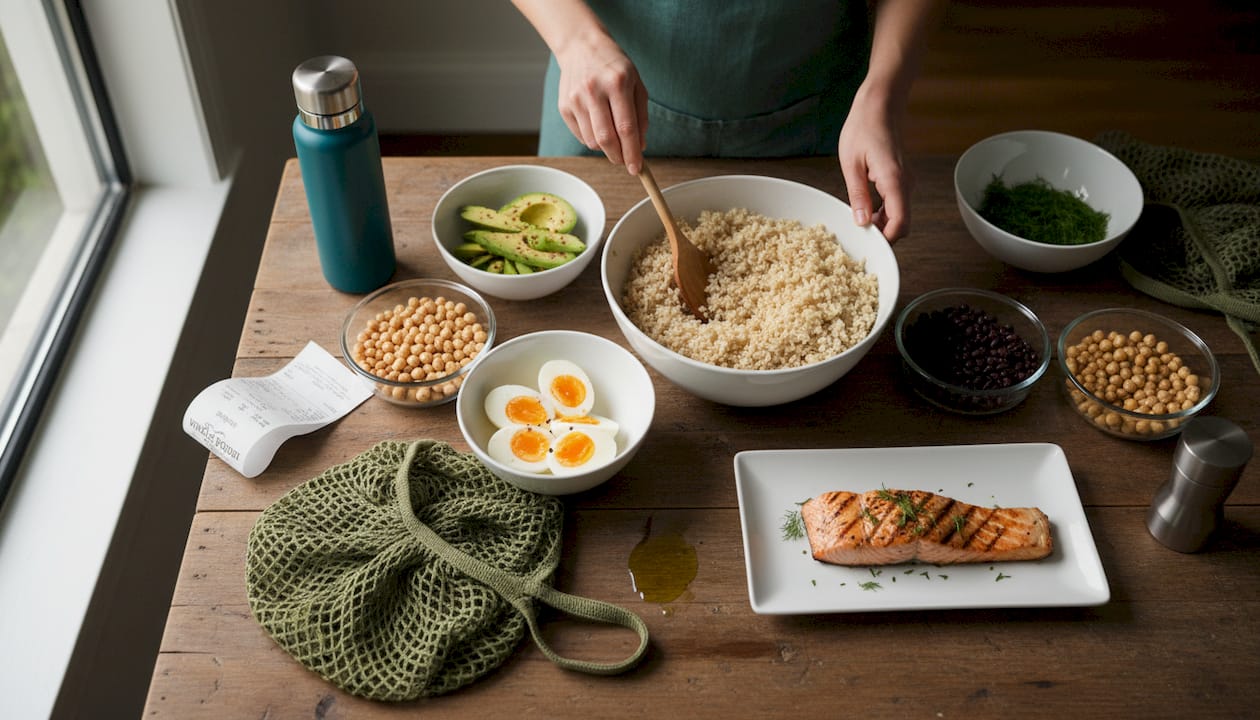
Here’s how different food options stack up for curve-focused meal prep:
| Category | High-impact options | Why it works |
|---|---|---|
| Proteins | Chicken thighs, ground turkey, eggs, Greek yogurt | Supports lean muscle in glutes and thighs |
| Fats | Nut butters, full-fat cheese, olive oil, avocado | Calorie-dense, supports hormones |
| Carbs | Quinoa, brown rice, sweet potato, oats | Sustained energy, easy to batch cook |
| Snacks | Trail mix, cottage cheese, whole milk smoothies | Adds 200–400 extra calories effortlessly |
Smaller, more frequent meals help you hit your surplus without dreading food. Most women find 5 to 6 smaller meals more manageable than 3 large ones when the goal is eating more. Liquid calories are also your friend here. A smoothie made with whole milk, nut butter, banana, and Greek yogurt can add 400 to 600 calories without making you feel overstuffed. It’s one of the smartest tools in a curve-focused meal plan.
Some of the most effective individual foods to keep stocked in your kitchen:
- Full-fat Greek yogurt: High protein and fat in one snack-ready container.
- Sweet potatoes: Easy to batch roast, filling, and great with almost everything.
- Nut butter: Adds 90 to 100 calories per tablespoon with almost zero prep required.
- Eggs: One of the most versatile, complete protein sources available.
- Whole milk: Swapping skim for whole milk adds calories passively throughout the day.
Pro Tip: Double-cook your proteins at the start of the week. Make a big batch of seasoned chicken thighs and hard-boiled eggs on Sunday so you never scramble for protein during a busy Tuesday evening.
Your step-by-step curve guide can help you map out how these foods translate into your daily routine. And if you’re looking to go deeper into balancing your intake, exploring women-focused nutrition tips gives you an even more targeted framework. Putting a repeatable enhancement workflow for curves in place is what turns information into results.
Step-by-step meal prep plan for healthy curves
Once you know which foods and macros matter, putting it all together is simple with a repeatable meal prep structure.
The most successful meal preppers aren’t perfect cooks. They’re strategic planners. Here’s a simple weekly workflow that keeps your curve goals on track without taking over your weekends:
- Plan on Thursday or Friday. Look at your upcoming week and identify your meals and snacks. Decide how many meals you’ll prep and which proteins, carb bases, and fats you’ll rotate.
- Shop on Saturday. One focused grocery run with a list prevents impulse buys and ensures you have everything you need.
- Batch cook on Sunday. Roast your sweet potatoes, cook a large pot of brown rice or quinoa, and prepare two to three proteins at once. Use your oven and stovetop at the same time to save hours.
- Portion into containers. Divide meals into individual containers so grabbing breakfast, lunch, or dinner takes seconds. Label them with the day or meal type for clarity.
- Prep your snacks separately. Keep trail mix, Greek yogurt cups, and smoothie ingredients (pre-portioned in freezer bags) ready to go. Easy snacks are the difference between hitting your calorie target and falling 400 calories short.
- Midweek refresh. Do a quick 20-minute prep on Wednesday to restock proteins or blend smoothies. This prevents the “I ran out of prepped food” spiral that derails so many well-intentioned plans.
Using smaller, frequent meals and liquid calories like milkshakes and smoothies helps you reach your daily surplus without discomfort. This is especially important in your first few weeks when your appetite may not yet match your calorie goals.
Here’s a simple reference table for a single prep day:
| Meal | Example | Approx. calories |
|---|---|---|
| Breakfast | Oats with whole milk, banana, nut butter | 550 |
| Mid-morning snack | Greek yogurt with trail mix | 350 |
| Lunch | Brown rice, chicken thighs, roasted sweet potato | 700 |
| Afternoon snack | Smoothie with milk, banana, protein powder | 450 |
| Dinner | Quinoa, ground turkey, avocado, olive oil drizzle | 750 |
| Evening snack | Cottage cheese with honey and walnuts | 300 |
Total: approximately 3,100 calories. Adjust your portions up or down depending on your starting intake and your target surplus.
Building repeatable weekly blocks with a few rotating proteins, carb bases, fat boosters, and snack items is the structural secret behind any successful weight gain plan. Variety keeps you motivated. Structure keeps you on track. You need both.
Pro Tip: Add calorie-boosters invisibly. Drizzle olive oil on everything before serving, stir nut butter into oatmeal, and top rice dishes with full-fat cheese. Each of these moves adds 100 to 200 calories with zero extra effort or planning.
Your enhancement workflow can help you connect each prep day to your bigger body confidence goals, making the process feel intentional rather than mechanical.
Troubleshooting, common mistakes, and when to seek help
While meal prepping is powerful, setbacks and questions are normal. Here’s how to overcome them and stay confident.
Even the most dedicated meal preppers hit rough patches. Knowing the common traps ahead of time puts you miles ahead of where most women start.
The biggest mistakes curve-focused meal preppers make:
- Relying on junk food for extra calories. Chips, fast food, and sugary snacks do add calories but they don’t support the muscle development that shapes curves. Empty calories show up in ways you don’t want.
- Underestimating protein needs. If you’re not getting at least 0.7 to 1 gram of protein per pound of your body weight daily, you’re leaving serious curve-building potential on the table.
- Skipping progress tracking. Without tracking, you can’t tell what’s working. Use a simple food diary app or even a notebook to log meals and adjust as you go.
- Expecting results in two weeks. Curves built on nutrition take time. Patience isn’t optional.
- Prepping for perfection. Complicated recipes discourage repeat prepping. Keep it simple and repeatable.
“Progress isn’t always obvious in the mirror right away. Track how your clothes fit, take monthly photos, and note how your energy and mood shift. Those signals matter as much as the scale.”
If you notice a plateau in your weight gain after several weeks of consistent eating, it’s typically time to increase your daily intake by another 100 to 200 calories. Your body adapts, and your calorie needs increase as you grow. That’s a sign things are working, not failing.
Unexplained or rapid weight changes that happen without diet changes, or significant fatigue and discomfort, are worth discussing with a healthcare provider. Not every weight change is about food, and ruling out underlying causes protects your health long-term.
Staying consistent with your nutrition for confidence and curves plan means adjusting, not abandoning, when things feel off. Small corrections keep your momentum alive.
Pro Tip: If you feel stuck, audit one week of meals honestly. Most plateaus are explained by unconsciously eating less than planned, not by metabolism issues. Logging everything for seven days usually reveals the gap.
Our experience: Why curve meal prep really builds more than just your body
Here’s the perspective that most food blogs won’t tell you: meal prepping for curves changes your relationship with yourself more than it changes your measurements. That might sound like a wellness cliché, but there’s real substance behind it.
Most “quick fix” approaches fail not because of bad food choices but because they require you to feel bad about yourself to stay motivated. Restriction-based thinking is exhausting. It pits you against your hunger, your cravings, and your social life. Meal prep for curves flips that model entirely. Instead of taking something away, you’re adding. Adding meals, adding nutrients, adding intention. That shift in framing is more powerful than any macronutrient ratio.
We’ve seen women come to their curve journey focused entirely on the physical outcome, and within a few weeks, they start talking about how organized they feel, how confident they are making food choices in restaurants, and how much more in control they feel overall. That’s not a side effect. That’s the point.
The women who see lasting results aren’t the ones who followed the strictest plan. They’re the ones who built a sustainable routine they actually enjoyed. Meal prep, done right, becomes a ritual of self-care. Choosing your foods, cooking for yourself, planning your week with your body in mind: that’s an act of respect toward yourself. And that mindset carries over into how you carry yourself everywhere else.
Building a wellness routine for confidence alongside your meal prep reinforces that connection. Real progress is both physical and internal. Don’t shortchange the mental side of this journey.
Connect your meal prep journey with real results
You now have the tools, the meal structure, and the mindset to start building curves with purpose and consistency. But knowledge alone doesn’t produce results. Action does.
At Get Thick Products, we’ve built a full ecosystem of wellness and body enhancement resources specifically for women who want to feel confident in their curves. From dietary supplements designed to support healthy weight gain to body care products and enhancement creams crafted to complement your nutrition journey, everything we offer is built with your goals and your confidence in mind. When you’re ready to take your meal prep momentum and pair it with targeted support, explore our full range and let your body transformation begin on your terms.
Frequently asked questions
How many extra calories should I add to gain curves?
Aim for a surplus of about 300–500 extra calories per day from balanced meals and snacks, spread across the day for best results.
What are the best protein sources for building curves?
Lean meats, fish, eggs, Greek yogurt, beans, and lentils are the top options. NHS recommends including protein sources like beans, eggs, and lean meat alongside calorie-dense additions such as nuts and cheese.
How long does it take to see results from curve meal prep?
Most women need to stay consistent for at least 12 weeks before noticing clear, measurable changes in their curves.
Is it safe to use high-calorie foods to speed up curve gains?
Focus on whole, nutrient-dense foods and limit processed options. Reducing sugar and processed foods while prioritizing real nutrition delivers better and more lasting curve results.
What if I gain weight rapidly or without trying?
Consult a health professional to rule out non-diet causes. Unexplained or rapid weight changes are best evaluated by a healthcare provider who can identify the root cause.
Recommended
- Step-by-step appearance boost guide for natural curves – Get Thick Products
- Beauty supplement trends: what works for curves in 2026 – Get Thick Products
- Build confidence with a natural wellness routine for women – Get Thick Products
- Body-focused supplements: benefits for women’s curves – Get Thick Products