

TL;DR:
- Achieving lasting curves requires consistent, science-backed habits that focus on nutrition and resistance training. Lifestyle changes, age-specific strategies, and psychological resilience play essential roles in building confidence and shaping body composition. Patience, flexibility, and self-compassion are key to sustainable transformation and genuine body confidence.
Building curves through quick fixes, extreme diets, or punishing workout sessions rarely leads to lasting confidence or real body change. The women who see genuine, visible transformation are the ones who commit to consistent, science-backed lifestyle habits that work with their bodies rather than against them. Sustainable curve enhancement depends on sustained energy balance through nutrient-dense food paired with resistance training that builds muscle as your body changes. This article breaks down every piece of that picture, from food to movement to mindset, so you can stop guessing and start building real curves with real confidence.
Table of Contents
- Why lifestyle matters more than quick fixes
- The science of shaping curves: Food and resistance training
- Body confidence: The often-missed psychological effect
- Special considerations across ages: Aging, hormones, and curve goals
- The truth most guides miss: Why body transformation requires patience, not perfection
- Ready to support your transformation journey?
- Frequently asked questions
Key Takeaways
| Point | Details |
|---|---|
| Lifestyle drives results | Sustainable habits in eating, exercise, and self-care outperform quick fixes for lasting curves and confidence. |
| Muscle is essential | Building and preserving muscle with resistance training protects shape, especially as you age. |
| Confidence starts within | Daily habits improve how you feel about your body as much as how it looks. |
| Tailor for your life stage | Adapt routines for your age and hormonal changes to keep results and health on track. |
Why lifestyle matters more than quick fixes
Every few months, a new trend promises dramatic curves in record time. High-intensity boot camps, extreme calorie cuts, waist trainers, detox teas. Sound familiar? The frustrating truth is that these approaches almost always miss the two fundamental mechanics your body actually needs: sustained energy for muscle-building and consistent resistance work that shapes your figure from the inside out.
Here is what truly separates lasting transformation from temporary results:
- Balanced energy intake: Your body needs a calorie surplus from whole, nutrient-rich foods to add healthy weight and support muscle growth. Starving and then binging disrupts this process completely.
- Resistance training: Lifting, bodyweight exercises, and targeted movement build the muscle tissue that creates the shape you are working toward.
- Mental health support: Sustainable habits protect your self-image, reduce stress, and help you stay motivated through the inevitable plateaus.
- Avoiding extremes: Overly restrictive diets can strip muscle mass, which is the opposite of what curve enhancement requires.
- Long-term consistency: Small, repeatable actions performed week after week create the physical and psychological changes that stick.
Lifestyle change is central to body composition management, with diet and exercise forming the cornerstone approach. This is not a new revelation. Science has confirmed it repeatedly. What keeps women stuck in the quick-fix cycle is marketing that preys on impatience, not a failure of willpower.
“Real transformation is not what happens in 30 days. It is what your body looks and feels like after six months of showing up consistently, eating well, and moving with purpose.”
Exploring natural body shape routines built around these principles gives you a framework that works in real life, not just ideal conditions.
The science of shaping curves: Food and resistance training
Knowing that lifestyle matters is step one. Understanding exactly how food and movement work together is what turns that knowledge into visible, beautiful results.
Resistance training combined with nutrition guidance shows better muscle preservation outcomes than nutrition changes alone, especially for women going through intentional weight changes. This matters enormously for curve goals. When you gain weight without resistance training, a large portion of that weight is stored as fat without the muscle shape underneath to create defined curves. Add structured exercise, and your body builds the glute, hip, and thigh muscle that gives gained weight that coveted rounded look.
Here is a numbered approach to structuring your curve-building strategy:
- Set a modest calorie surplus. Aim for 200 to 400 extra calories per day from whole foods. Protein, healthy fats, and complex carbs should anchor every meal.
- Prioritize protein at every meal. Protein supports muscle protein synthesis, the process that actually builds new muscle tissue. Aim for 0.7 to 1 gram per pound of body weight daily.
- Schedule resistance sessions three to four times weekly. Consistency matters far more than training every single day.
- Focus on compound movements. Barbell hip thrusts, squats, Romanian deadlifts, and lunges activate multiple muscle groups and drive real glute and hip development.
- Track your progress. Photos, measurements, and how your clothes fit are often more telling than the number on the scale.
- Support recovery. Sleep, hydration, and rest days are not optional. Muscle grows during recovery, not during the workout itself.
Multiple exercise variations including barbell hip thrusts and back squat variations show solid evidence for increasing gluteus maximus hypertrophy when training stimulus is sufficient. In plain terms, these exercises work when done consistently and progressively.
Comparing resistance training approaches for curve goals
| Approach | Best for | Curve impact | Muscle preservation |
|---|---|---|---|
| Barbell hip thrusts | Glute focus | High | Excellent |
| Back squats | Full lower body | High | Excellent |
| Bodyweight glute bridges | Beginners | Moderate | Good |
| Resistance band work | Home training | Moderate | Good |
| Cardio only | Cardiovascular health | Low | Poor |
Connecting smart meal prep strategies to your training schedule makes the nutrition side dramatically easier. When your meals are planned, you spend less mental energy on food decisions and more on showing up for your workouts. For additional resistance training tips that complement a curve-building approach, structured guidance helps beginners and experienced movers alike.
Want a step-by-step breakdown of how these strategies apply in practice? The appearance boost guide walks you through exactly that.
Pro Tip: Do not try to be perfect in every session. A 70% effort workout you actually complete beats a 100% effort workout you skip because life got busy. Progress lives in consistency, not perfection.
Body confidence: The often-missed psychological effect
Physical transformation gets most of the attention. What rarely gets talked about is how much your daily movement and lifestyle habits reshape the way you feel about your body, not just how it looks.
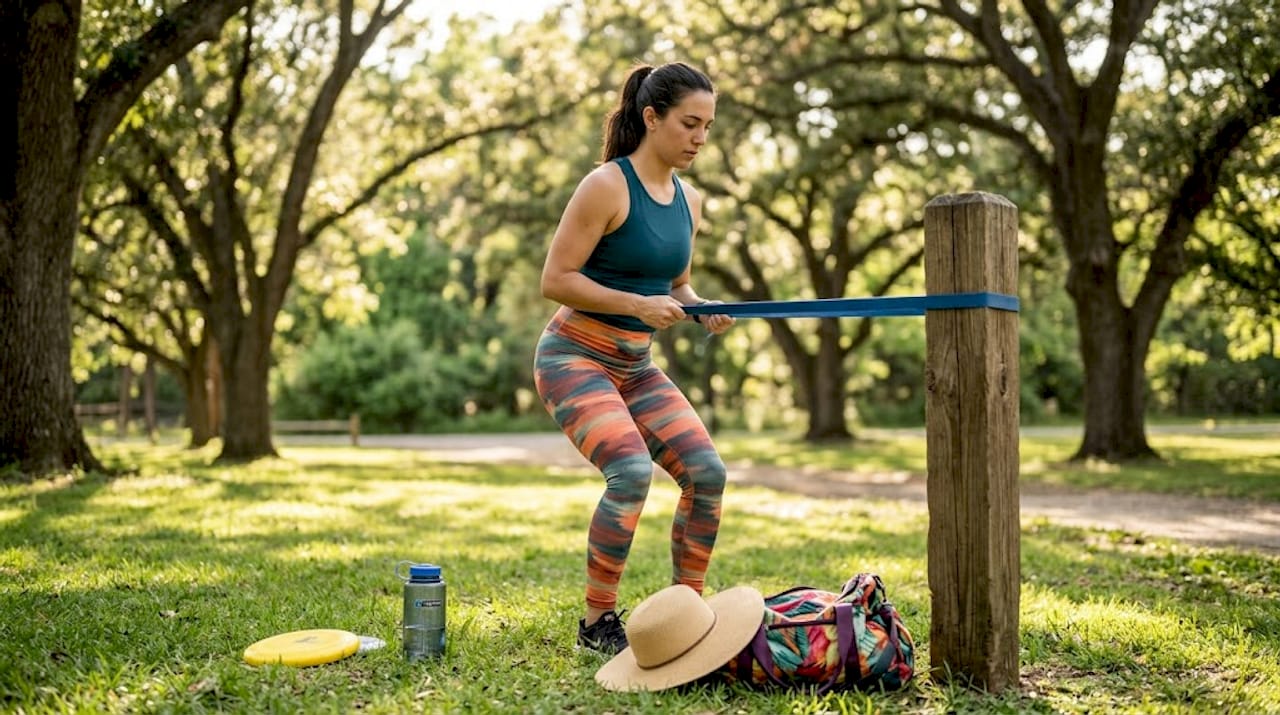
This is genuinely important because confidence is not a reward you collect after reaching your goal weight or fitting into a certain size. It develops progressively through action. Every time you show up for a workout, cook a nourishing meal, or choose a habit that honors your body, you are building self-worth in real time.
Research backs this up clearly. Physical activity self-worth predicted body appreciation, with psychological resilience acting as the bridge between regular movement and how women genuinely appreciate their bodies. In other words, it is not just that exercise makes your body look different. It builds the mental resilience that allows you to value what you see, regardless of where you are in the journey.
Here are the specific psychological benefits that active, consistent lifestyle habits create:
- Improved self-worth: Showing up for yourself regularly strengthens the belief that you are worth the effort, which is foundational to real confidence.
- Greater resilience: Women who move their bodies regularly bounce back from setbacks, bad weeks, or plateaus faster and with less self-criticism.
- Reduced anxiety about appearance: Counterintuitively, focusing on what your body does rather than only what it looks like tends to reduce obsessive checking and comparison.
- Long-term body appreciation: Unlike the temporary rush of a compliment, the confidence built through consistent healthy habits tends to be stable and lasting.
Connecting your physical goals to this deeper psychological layer is what makes the journey sustainable. Explore lifestyle support for women that addresses both dimensions at once, and consider building a confidence wellness routine that weaves movement, nutrition, and mental care together into a cohesive daily practice.
Special considerations across ages: Aging, hormones, and curve goals
Your curve goals at 24 look different from your goals at 38 or 47, and that is completely normal. Your biology shifts across these decades in ways that directly affect how your body responds to food, exercise, and lifestyle changes. Understanding these shifts is what allows you to work with your body rather than feeling like you are fighting it.
Around age 30, muscle mass begins decreasing gradually as a natural part of aging. This process accelerates during perimenopause and menopause due to hormonal shifts that affect how efficiently your body builds and maintains muscle. The good news is that resistance training and adequate protein intake are the most powerful tools available to slow and offset this decline at every age.
Sample weekly strategy by age group
| Age range | Training focus | Nutrition priority | Key consideration |
|---|---|---|---|
| 20s | Building muscle base | Protein and calories | Establish habits early |
| 30s | Maintain and grow curves | Protein, iron, calcium | Proactive prevention |
| 40s | Build strength and support recovery | Protein, healthy fats | Adapt intensity as needed |
| 50s and beyond | Strength and mobility | Protein, vitamin D | Support bone health too |
This is not about accepting decline. It is about being strategic. A woman in her 40s who lifts consistently and eats adequate protein has a meaningfully different body composition than one who skips resistance training. And that difference shows up directly in curve shape, energy levels, and body confidence.
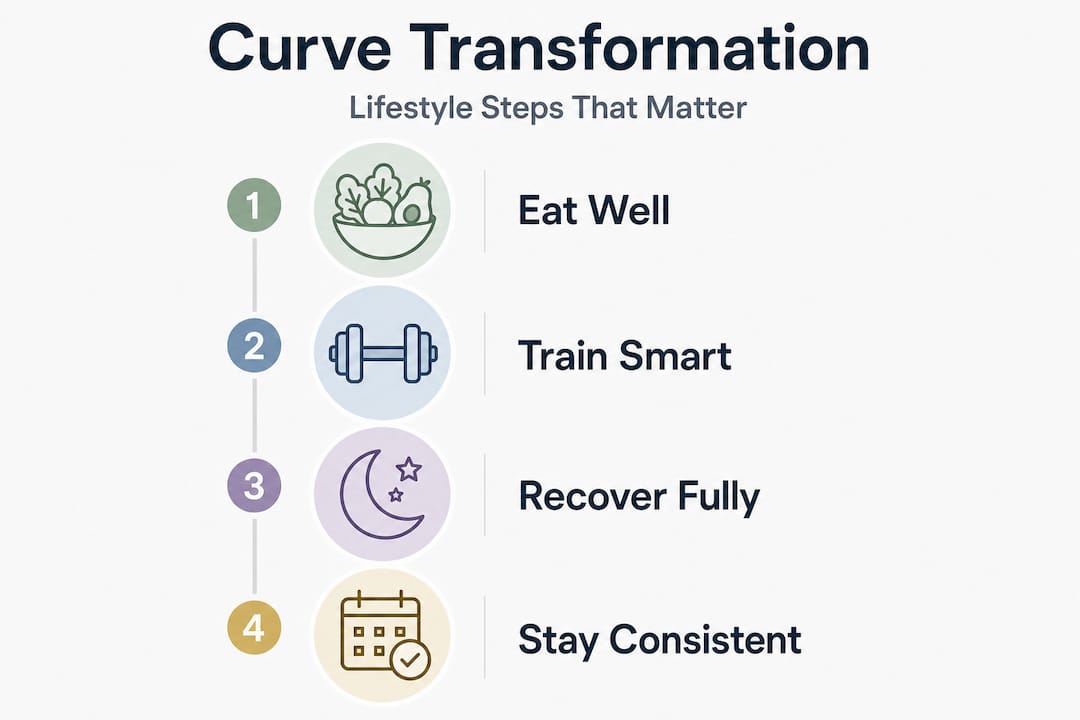
For a fitness approach as you age, understanding how to adapt your routine through different life phases keeps your results moving forward regardless of where you are starting.
The curves enhancement guide provides age-adapted strategies that account for these biological realities while keeping the focus on building the figure and confidence you are working toward.
Pro Tip: If you are in your 30s or 40s and feel like your body is changing despite doing “everything right,” it probably is changing. That is not failure. It is biology calling you to adjust your strategy, not abandon it.
The truth most guides miss: Why body transformation requires patience, not perfection
Here is what we genuinely believe after years of supporting women through body transformation journeys: the biggest obstacle is rarely lack of information. It is the unrealistic expectation that results should happen faster, look a specific way, and feel linear.
Most articles and influencers lead with transformation photos, dramatic timelines, and “what I eat in a day” content that implies there is one perfect path. There is not. Real transformation for real women, across different ages, starting points, stress levels, and hormonal realities, looks messy. It involves weeks where the scale does not move but your pants fit differently. It includes workouts you almost skipped. It means eating well most of the time, not all of the time.
The women who build lasting curves and genuine body confidence are not the ones who found the perfect plan and executed it flawlessly. They are the ones who stayed curious about their bodies, adjusted when life shifted, and kept showing up without demanding perfection from themselves. That is not a soft, motivational message. It is a practical observation from watching what actually works versus what looks good on a highlight reel.
Self-kindness is not the opposite of discipline. It is what makes discipline sustainable. When you treat a missed workout or an off-nutrition week as information rather than failure, you return faster and more consistently than when you spiral into self-criticism.
Building body confidence habits that account for the full arc of a real woman’s life means making room for imperfection without losing the thread of your goals. That combination of commitment and compassion is what actually produces lasting results.
Ready to support your transformation journey?
Turning all of this knowledge into daily action is where most women get stuck, not because they lack motivation, but because they lack structure and the right resources around them.

At Get Thick Products, we have built a community and a resource library specifically designed for women pursuing natural, confidence-centered body transformation. From meal prep strategies and targeted workout guides to topical body care products and wellness supplements formulated to support healthy weight gain alongside your lifestyle habits, everything is designed to meet you where you are. Whether you are just starting your curve journey or looking for your next step, practical confidence tips and curated community support are waiting for you. Take the next step at getthickproducts.com and explore the full range of guided resources built for your goals.
Frequently asked questions
How does resistance training specifically help enhance curves?
Resistance training builds muscle mass in targeted areas like the glutes and hips, and gluteus maximus hypertrophy is directly supported by hip thrust and squat variations, giving curves their shape and definition.
Can I see results if I start lifestyle changes after 40?
Absolutely. Resistance training and diet at any age help counteract muscle loss and support curve goals, with benefits that show up in both body composition and energy levels.
Do lifestyle changes improve body confidence or just body shape?
Both. Physical activity and self-worth are directly linked, and regular movement builds psychological resilience that supports genuine, lasting body appreciation alongside physical change.
Is cardio as important as resistance training for natural curves?
Cardio supports heart health and overall wellness, but resistance training for muscle preservation and development is the primary driver of the muscle definition and shape that creates natural curves.