

If you need to gain weight, start with a plan suited to your health and everyday life. Food, activity and individual needs matter more than promises about targeted enhancement. Unexpected weight loss or difficulty gaining weight deserves professional advice.
Table of Contents
- Step 1: Understand your current needs
- Step 2: Set realistic health and strength goals
- Step 3: Choose nourishing calorie sources
- Step 4: Evaluate supplements separately from body care
- Step 5: Build a manageable daily routine
- Step 6: Review progress without a deadline
- Explore Get Thick Products
Key Takeaways
| Focus | What to consider |
|---|---|
| Assessment | Get advice for unexpected weight changes. |
| Food | Use a varied, manageable eating pattern. |
| Products | Distinguish nutritional products from topical cosmetics. |
| Progress | No fixed shape or muscle-gain deadline is guaranteed. |
Step 1: Understand your current needs
Consider your usual meals, activity, appetite and recent weight changes. A healthcare professional or registered dietitian can help assess whether weight gain is appropriate and whether a health issue needs attention. Home measurements or calorie calculators do not diagnose nutrient deficiencies or hormone problems.

Step 2: Set realistic health and strength goals
Choose practical goals, such as eating more regularly or improving strength. Avoid a guaranteed amount of muscle per month or the expectation that weight will go only to your hips or buttocks. Agree on suitable goals with a professional when you need individualized guidance.

Step 3: Choose nourishing calorie sources
The NHS healthy weight gain guide suggests gradual gain and a varied diet with protein foods and nourishing snacks. Options include eggs, beans, fish, nuts, dairy or suitable alternatives according to your preferences and needs. Choose a meal pattern you can manage rather than treating a fixed number of meals as mandatory.
Step 4: Evaluate supplements separately from body care
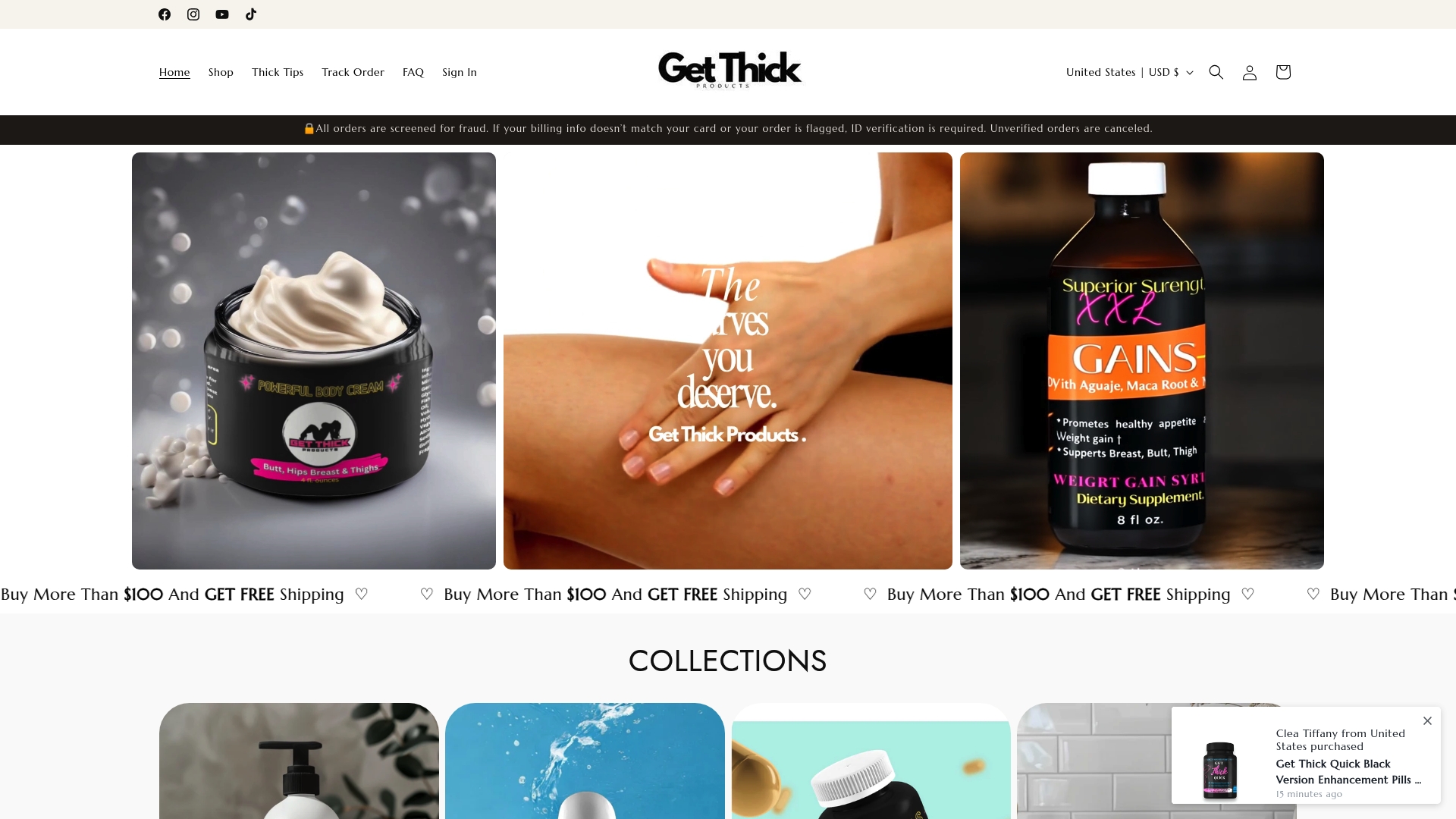
A nutritional drink or supplement may serve a different purpose from a cream. Topical body care should not be described as supplying calories or creating localized weight gain. NIH supplement information explains why supplements do not replace a varied diet. Check the actual product label and discuss suitability rather than assuming a product is needed.
Step 5: Build a manageable daily routine
Make time for meals, enjoyable activity and rest. Strength training can be part of a plan adapted to your ability. Generic routines are not a promise of a specific body shape, and this article does not prescribe a supplement amount or exercise schedule.
Step 6: Review progress without a deadline
If tracking is useful, note your meals, strength and how you feel. Body measurements and photos are optional. They do not establish hormone balance or distinguish all causes of weight change. Ask for help if you are losing weight unexpectedly or struggling with appetite.
Explore Get Thick Products
Review Get Thick Products for individual product information. Read verified ingredients, directions and warnings. This guide does not establish that store supplements or creams produce guaranteed weight gain, curve growth or confidence.
Frequently Asked Questions
How can I assess my current body needs for healthy weight gain?
Start with your eating pattern, appetite, activity and recent weight history. A healthcare professional can assess your needs; a home calculation is not a diagnosis.
What realistic weight gain goals should I set for confident body enhancement?
Set goals suited to your health, such as regular meals or strength progress. A fixed promise about monthly muscle gain is not appropriate for everyone.
What nutrient-rich calories should I include in my diet to support healthy weight gain?
Include a variety of foods that suit your preferences and dietary needs, with protein sources and nourishing calorie-containing foods.
How can I integrate targeted enhancement products into my weight gain strategy?
Evaluate the actual label with a healthcare professional. Supplements and topical body care serve different purposes; neither should replace meals or appropriate care.
What daily routine practices can enhance my healthy weight gain efforts?
Use manageable meal times, activity and rest. There is no mandatory meal count that fits everyone.
How do I track my progress when gaining healthy weight?
Use tracking only if it is helpful. Review longer-term patterns with a professional rather than expecting a guaranteed visible change by a deadline.